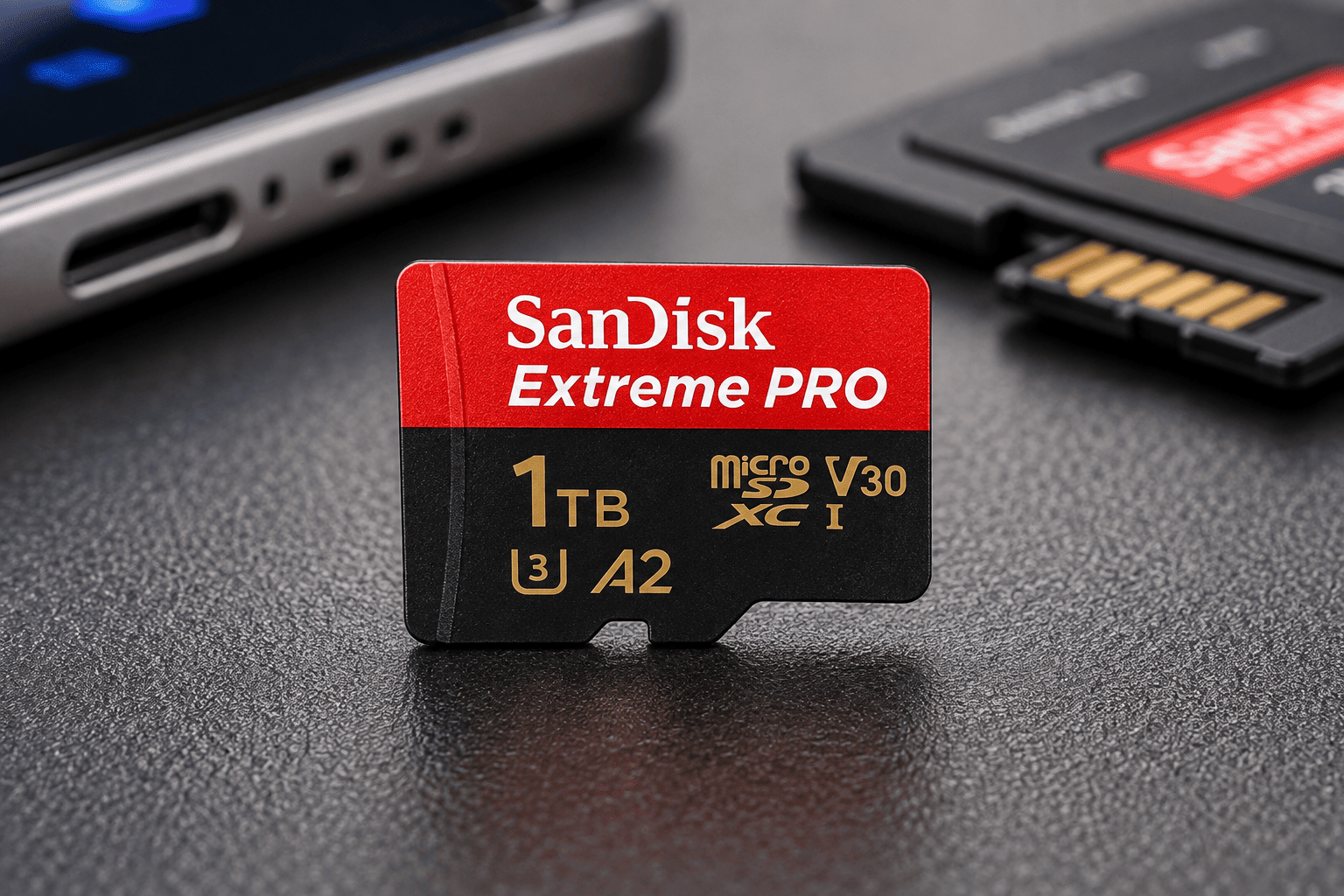
SanDisk (NASDAQ:SNDK) has pulled back sharply in the days leading up to its fiscal first-quarter earnings report, with the stock closing Friday at $1,581.82, down 6.5% from Wednesday's close and roughly 8% below its October 2 level. The decline comes after a stunning 566% rally in 2026, making it one of the best-performing stocks on Wall Street this year.
The recent selling reflects a shift in focus from demand strength to the sustainability of record profitability. SanDisk's gross margin reached 71.6% in fiscal 2026 and climbed to 84.6% in the fourth quarter, with pricing accounting for two-thirds of sequential revenue growth. These figures are extraordinary for a hardware maker, but they raise the bar for the upcoming report.

Analysts are cautioning that such margin levels may not be permanent. Nikolaos Sismanis, writing for TipRanks, noted that investors should not assume 80% margins are sustainable, even while remaining bullish on SanDisk's AI-storage opportunity. Management's long-term framework targets non-GAAP gross margins near 80% from fiscal 2028 through 2030, supported by a richer data-center mix and longer customer commitments.
The challenge is proving that pricing can remain strong enough to sustain those economics once supply responds to higher demand. With NAND supply still tight, pricing power has been robust, but the durability of that pricing is the key question.
SanDisk's 566% year-to-date gain has made it a poster child for the narrow AI-led advance on Wall Street. Analysts have pointed out that SanDisk and Micron have more than tripled in 2026, while over 40% of S&P 500 constituents are down this year. That concentration becomes uncomfortable when bond yields rise and investors reduce risk.
“The Fed has killed a lot of bull markets in the past,” Baird investment strategy analyst Ross Mayfield told Reuters, warning that another aggressive rate-hike cycle would be difficult for markets to absorb. This matters because investors with enormous gains do not need the fundamental thesis to collapse before taking profits.
Recent selling has also come alongside broader concerns about AI spending and weaker memory-sector sentiment. SanDisk fell 4.9% on Thursday and another 1.7% on Friday, reflecting a cautious tone ahead of the earnings release.
SanDisk reports fiscal first-quarter results after the close on October 29. TipRanks puts consensus adjusted EPS at roughly $46.17. The more important questions will concern enterprise SSD volumes, NAND pricing, supply discipline, and whether management still expects data-center demand to support its long-term margin framework.
Wall Street remains broadly bullish. Citi analyst Asiya Merchant has a Buy rating and a $2,100 price target, while the average sits near $2,173. That optimism reflects the structural case for AI storage, but the hurdle is unusually high.
SanDisk's last quarter demonstrated the risk. The company beat fiscal fourth-quarter earnings expectations, yet shares fell after its next-quarter revenue outlook disappointed investors despite gross-margin guidance of 83% to 85%.
This article is for informational purposes only and does not constitute financial advice.

