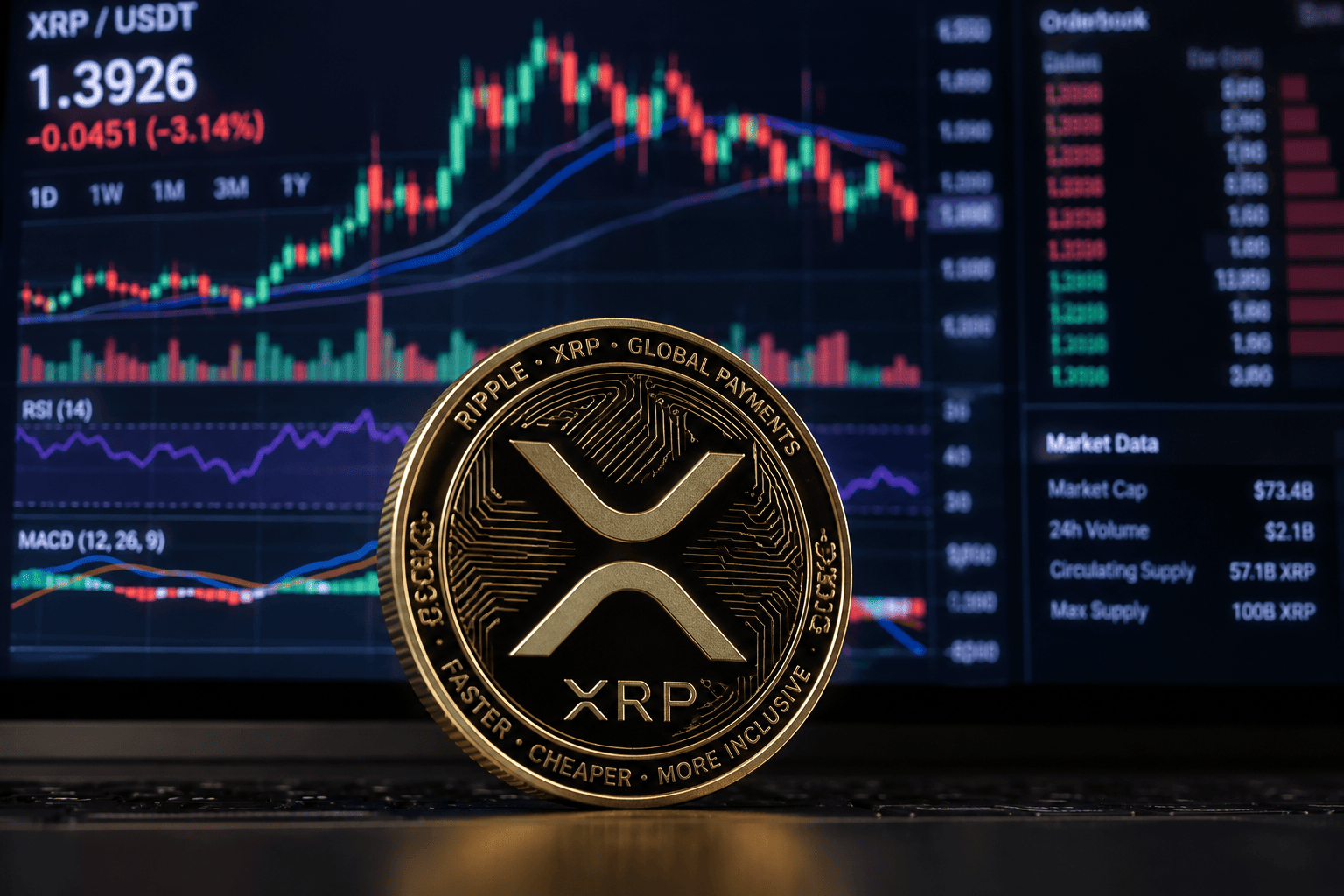
As automated trading tools become more accessible through major exchanges and no-code platforms, SaintQuant is emphasizing that the effectiveness of crypto trading bots hinges on matching strategies to prevailing market conditions. The company notes that while bots can enforce discipline and execute around the clock, they do not predict markets or guarantee profits.
Key Bot Strategies and Their Risks
SaintQuant identifies several widely used bot strategies, each with distinct risk profiles. Grid trading bots place layered buy and sell orders within a defined price range, profiting from sideways or choppy markets. However, they can incur losses if the price breaks sharply outside the selected range. Dollar-cost averaging (DCA) bots split entries or exits into smaller orders over time or based on price triggers, reducing the risk of poor timing but potentially adding to losing positions during sustained downtrends if risk controls are inadequate.
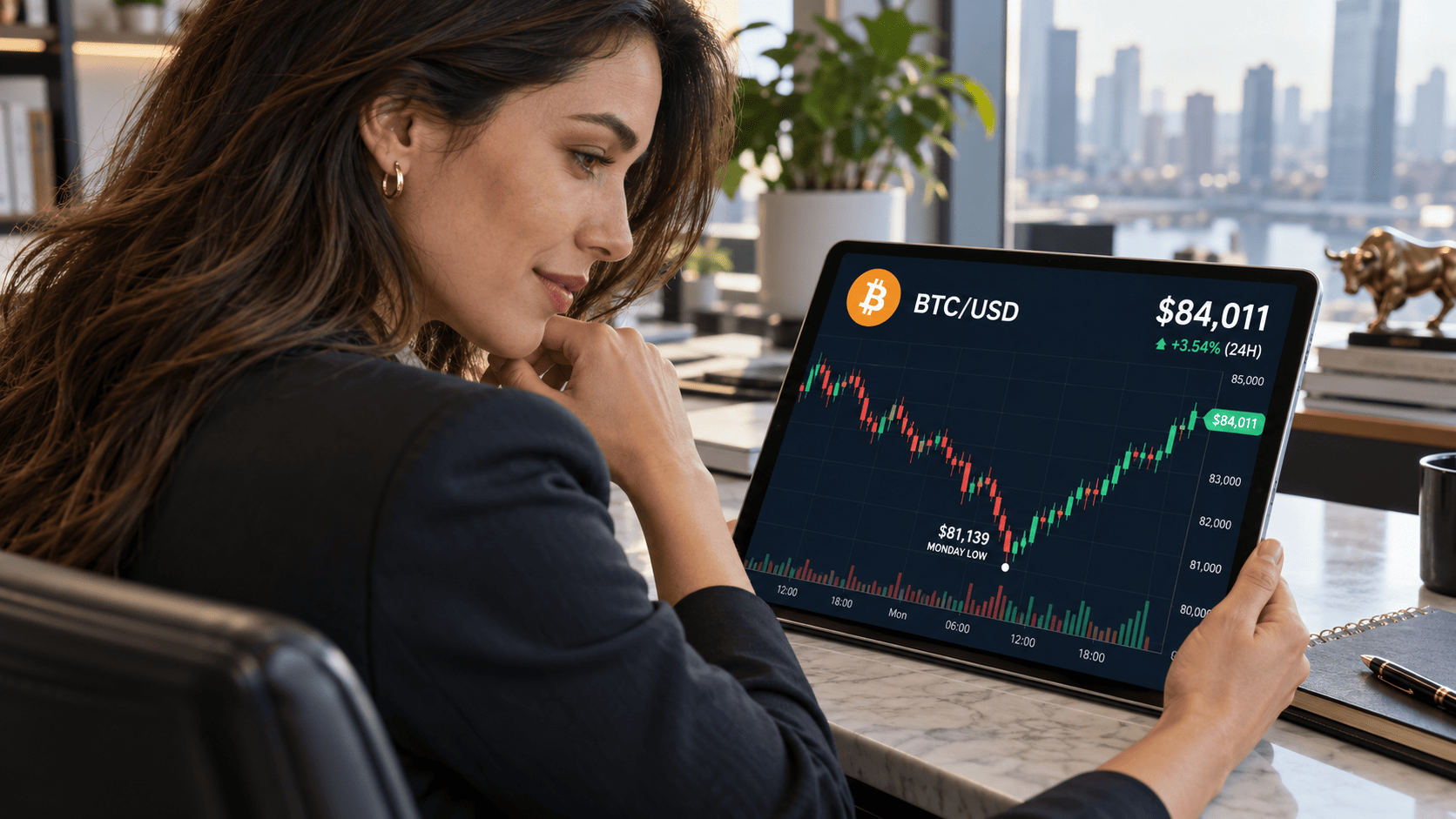
For advanced traders, arbitrage and delta-neutral strategies target price differences between related instruments, such as funding-rate approaches or spot-futures spreads. These require deep understanding of liquidity, execution, fees, and hedging. Rebalancing bots maintain target asset weights on a schedule or when allocations drift beyond thresholds, supporting portfolio discipline but subject to trading fees and market volatility. Order-slicing tools like TWAP and iceberg orders break large trades into smaller parts to reduce market impact and slippage, useful for larger transactions or thin order books.
Best Practices for Automated Trading
SaintQuant advises users to begin with small allocations, consider paper trading, review strategy settings carefully, and never grant withdrawal permissions to third-party bots. The company also recommends using two-factor authentication and monitoring drawdown rather than focusing solely on recent performance. As no-code platforms proliferate, some users opt for managed or pre-built strategies, which SaintQuant offers across crypto, stocks, and futures with built-in risk controls.
SaintQuant emphasizes that there is no single best bot strategy. Grid bots suit range-bound markets, DCA supports long-term accumulation, rebalancing aids portfolio discipline, arbitrage appeals to advanced users, and order-slicing reduces slippage on large trades. The future of automated trading, according to SaintQuant, lies in matching strategies to market conditions, controlling risk, and understanding automation's limits.
For broader context, the rise of automated trading tools parallels trends in traditional finance, where algorithmic execution has become standard. As noted in recent coverage of JPMorgan's record trading revenue, institutional adoption of automation continues to shape markets. Similarly, the growth of stablecoin use in everyday payments reflects the broader shift toward digital asset utility.
This article is for informational purposes only and does not constitute financial advice.