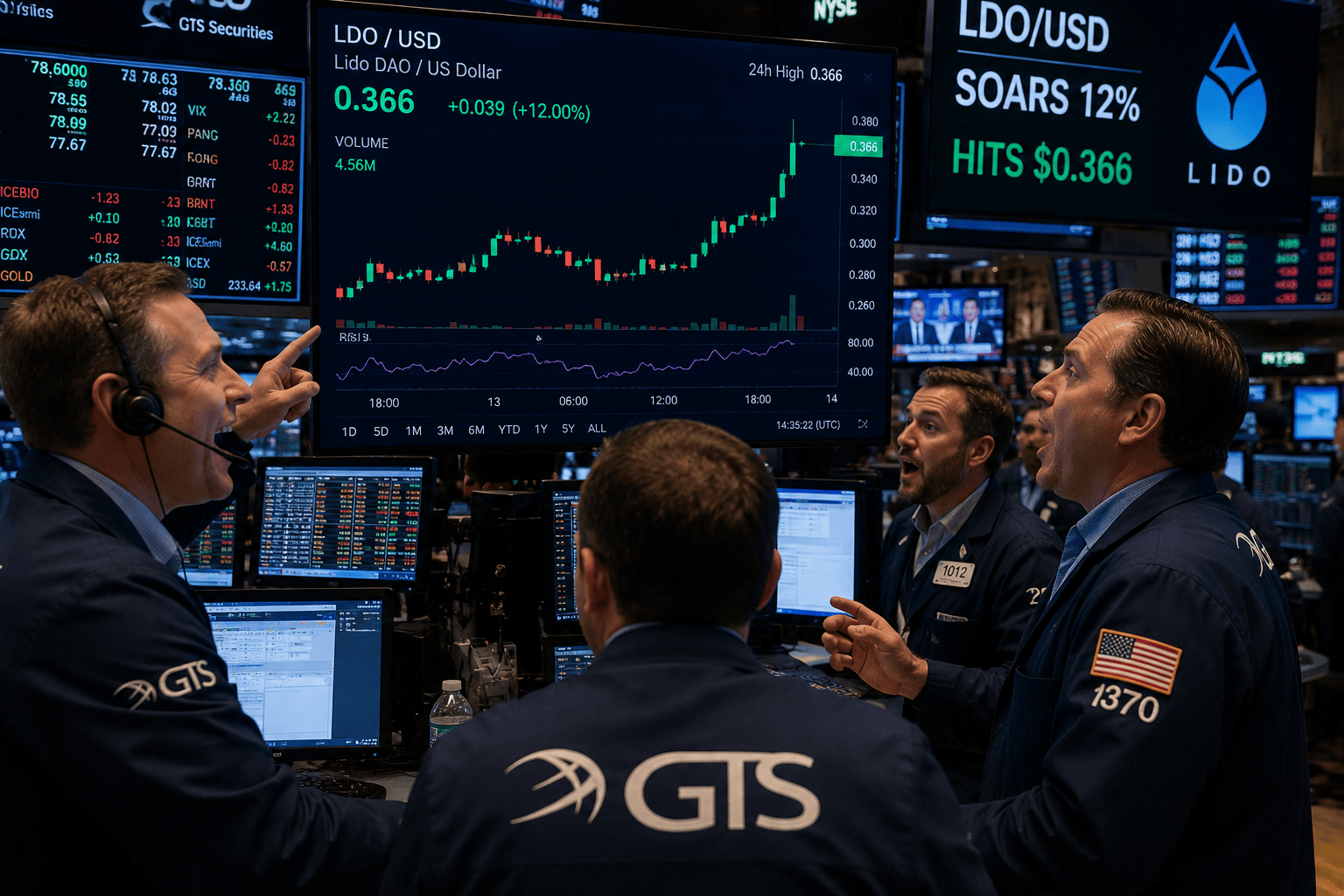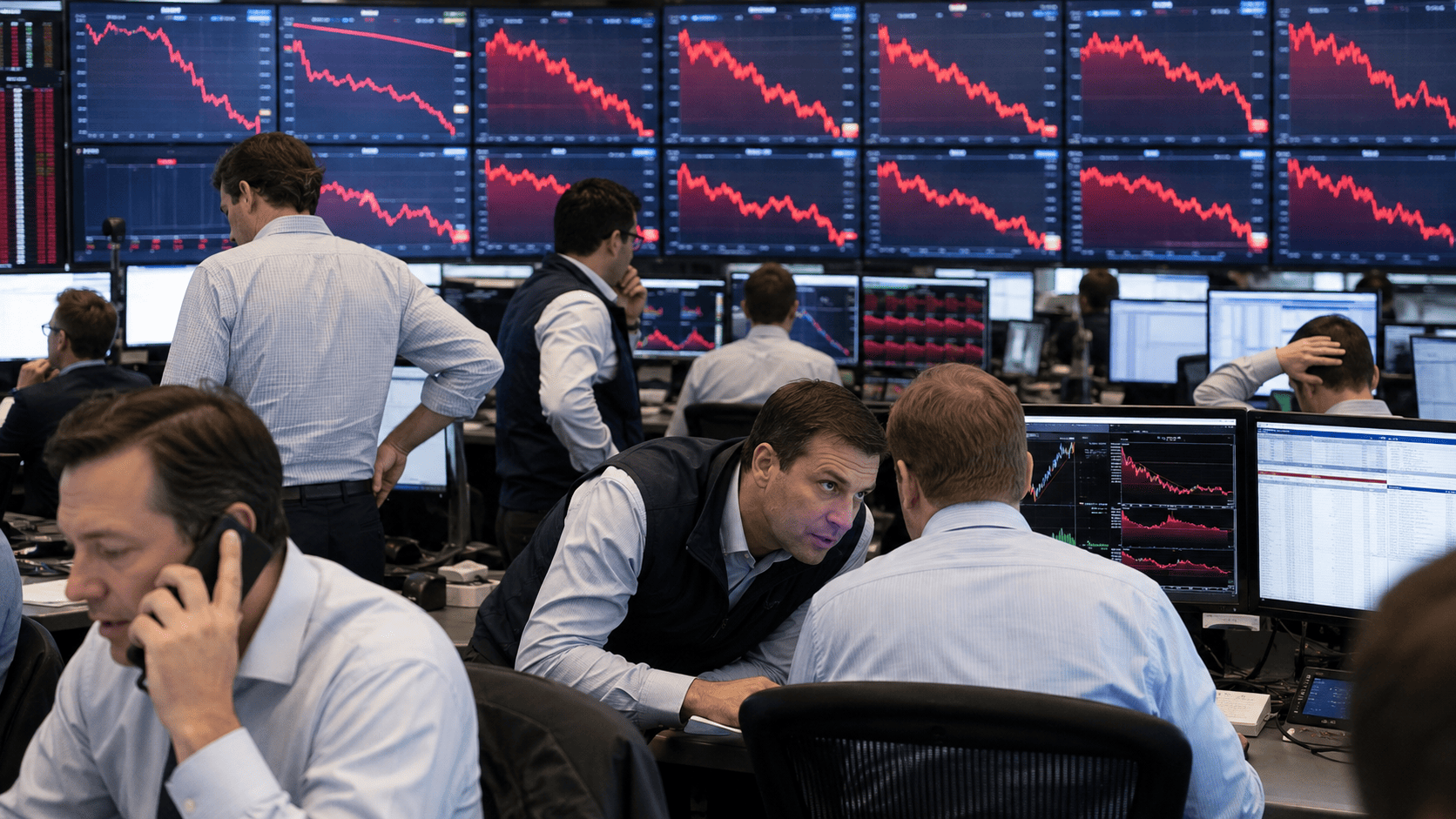
The S&P 500's record close on August 13 at 7,798.99 masks a growing vulnerability: investors are borrowing more than ever to finance bets on the AI boom. FINRA data shows margin debt in customer accounts hit $1.502 trillion in June, up from $1.008 trillion a year earlier—a 49% surge that has caught the attention of market analysts.
Rising margin debt is not inherently bearish; it often accompanies bull markets. But the speed of the increase, combined with the heavy concentration in AI-related stocks, raises the stakes. Kate Leaman, chief market analyst at AvaTrade, notes that such rapid leverage growth has appeared in only a few late-cycle periods. "That doesn't mean a correction is imminent, or that current valuations are unjustified given the scale of AI capital spending underway," she said. "What it does mean is that the market has less cushion than usual to absorb a shock."
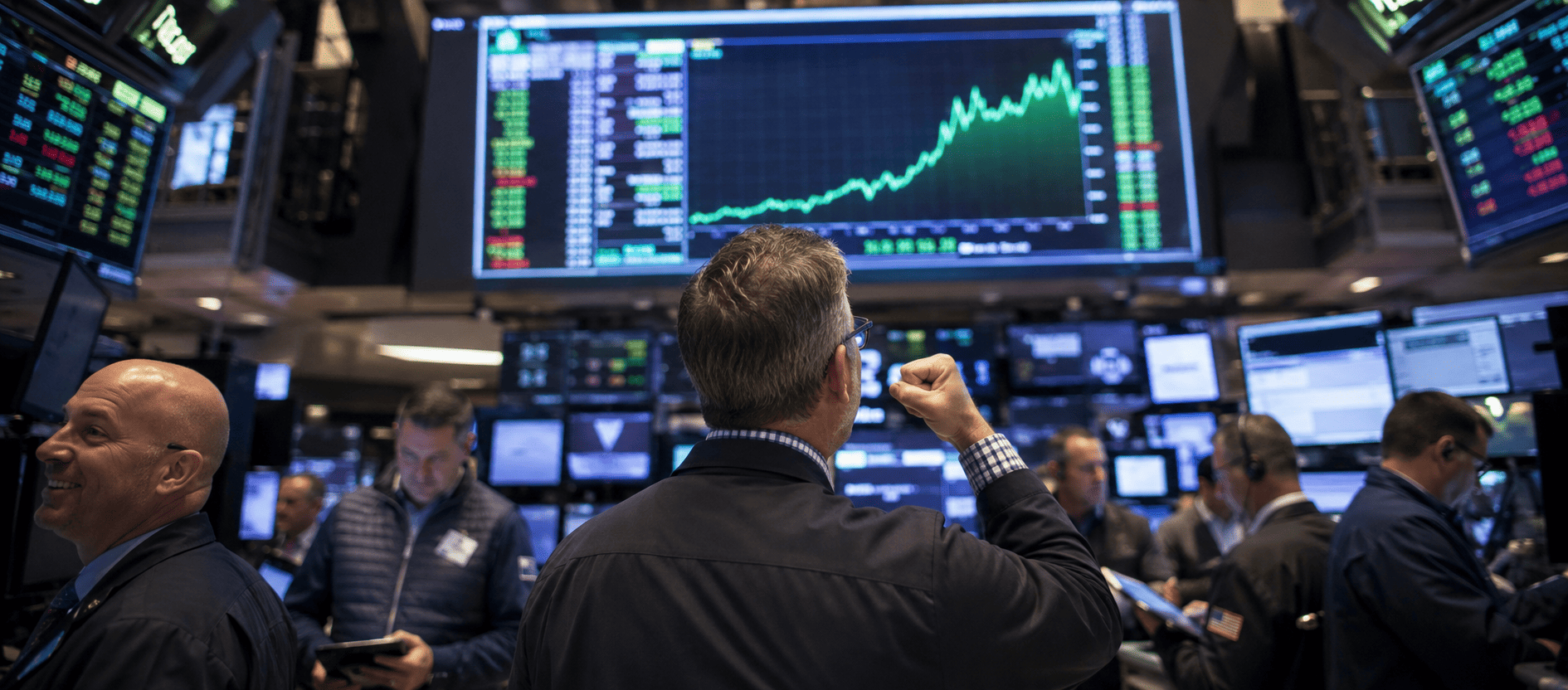
Leverage magnifies moves in both directions
Margin borrowing amplifies gains, but it also accelerates losses. When account equity falls below required levels, brokers issue margin calls, forcing investors to either deposit more cash or sell positions—regardless of the underlying fundamentals. "Fundamentals don't get a vote in that process," Leaman said.
The Federal Reserve has separately warned that hedge-fund leverage remains near all-time highs, concentrated among a few large funds. Its May Financial Stability Report highlighted exposures across Treasuries, interest-rate derivatives, and equities. While these figures are not directly comparable to FINRA margin debt, together they paint a picture of a market increasingly dependent on financing conditions.
AI diversification is an illusion
The AI trade spans semiconductors, memory, cloud computing, data centers, electricity generation, and even crypto miners repurposing power sites. On paper, these look like diversified bets. But economically, they all hinge on the same assumption: that AI infrastructure spending will remain exceptionally strong for years. When that assumption is questioned, correlations spike, and diversification disappears just when it's needed most.
The collapse of Situational Awareness, a hedge fund that returned 439% in the first half of 2026, illustrates the danger. In July, its portfolio lost 67% after AI stocks reversed, triggering margin calls that forced it to unwind most of its $16 billion public-equities book, with Citadel buying a large portion. The episode separated two distinct risks: fundamental risk (whether AI investments will pay off) and financing risk (whether an investor can survive the interim). Situational Awareness couldn't wait for its thesis to play out—falling asset values collided with leverage and collateral demands.
Historical precedents: Archegos and LTCM
Wall Street has seen this before. Archegos Capital Management collapsed in March 2021 after building massive concentrated positions through total-return swaps, which allowed it to gain huge exposure with limited capital. The positions were spread across multiple prime brokers, obscuring the fund's aggregate risk. When shares fell, Archegos faced margin calls it couldn't meet, triggering a fire sale that cost banks billions. Similarly, Long-Term Capital Management's collapse in 1998 showed how hidden leverage can magnify systemic shocks.
These episodes underscore a key lesson: when leverage is high and trades are crowded, the mechanics of a decline can matter more than its trigger. A disappointing earnings report or a cut in capital expenditure guidance could push a heavily owned stock lower. For an unleveraged investor, that's a paper loss. For a leveraged account, it's an immediate demand for cash.
As the AI trade continues to dominate indices, investors would do well to remember that record highs can coexist with record leverage. The market's ability to absorb shocks may be thinner than it appears.
This article is for informational purposes only and does not constitute financial advice.