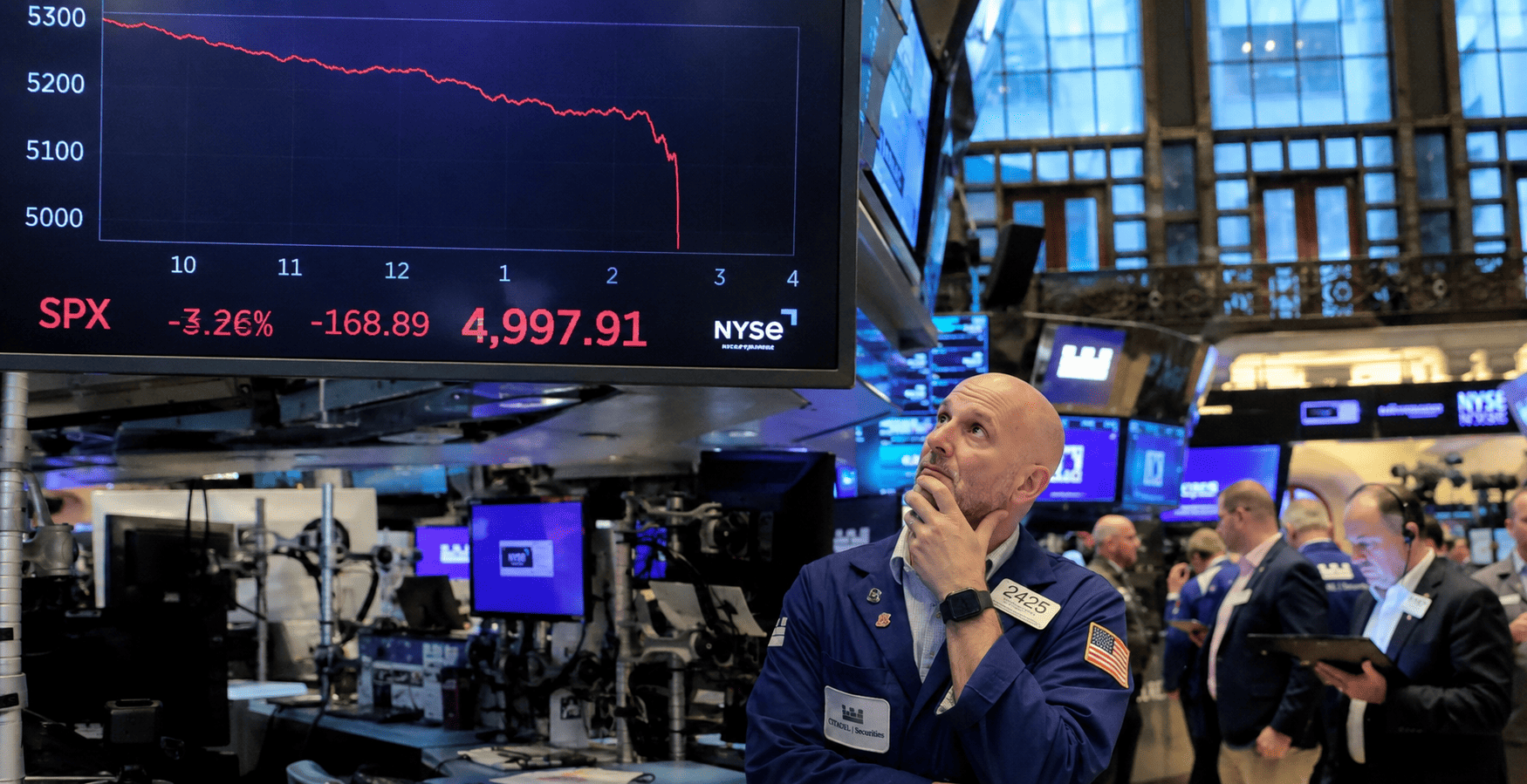
The S&P 500 Index has climbed to a fresh record high, and its most popular exchange-traded funds—Vanguard's VOO and State Street's SPY—are riding the wave. On Monday, the index touched 7,600 points, its highest level since early June. While some investors might worry about a pullback, several fundamental and technical factors suggest the rally could have further to run.
Earnings Growth at Multi-Year Highs
The primary driver behind the index's strength is the robust earnings season. According to FactSet, blended earnings growth for S&P 500 companies stands at 47.4%—the highest since 2021 and well above analyst expectations. This surge is broad-based, with industrial, technology, and financial sectors leading the charge.
Major banks like Goldman Sachs, Morgan Stanley, and JPMorgan have posted strong results, benefiting from higher interest rates and a rebound in corporate activities such as mergers and acquisitions, IPOs, and trading. Many of these financial giants are now trading at or near their all-time highs. Meanwhile, tech behemoths like Microsoft and Google have delivered impressive numbers, fueled by their artificial intelligence initiatives.
Looking ahead, numerous companies have raised their forward guidance, suggesting that this year could be one of the best for earnings growth in recent memory. This week, investors will hear from a slew of major names, including SpaceX, Berkshire Hathaway, AMD, Caterpillar, Arista Networks, Eli Lilly, Walt Disney, and Uber.
Valuations Still Reasonable
Despite the index hovering near record levels, valuations appear far from stretched. FactSet data shows the S&P 500's forward price-to-earnings ratio stands at 19.6, slightly below the five-year average of 19.98 and only modestly above the ten-year average of 19. This suggests the market is not overpriced relative to its historical norms.
Even high-flying names look reasonably valued. Nvidia, the poster child of the AI boom, trades at a forward P/E of just 22 despite its explosive revenue growth. Micron, another AI beneficiary, has a forward multiple under 20. Software companies like Adobe, Salesforce, and Workday are also trading at discounted valuations compared to their growth prospects.
These attractive valuations, combined with strong earnings momentum, have prompted top Wall Street strategists to raise their year-end targets. Goldman Sachs, for instance, now sees the S&P 500 reaching 8,000 by the end of the year. Other firms like Morgan Stanley, JPMorgan, and Citi have also turned more bullish.
Technical Tailwinds and Geopolitical Optimism
From a technical perspective, the S&P 500's weekly chart shows an ascending triangle pattern—a classic bullish continuation signal. The index remains above its 50-week moving average and the Supertrend indicator, both of which are supportive. If the pattern plays out, the next key resistance level could be around 8,000.
Additionally, there is growing optimism that the US-Iran conflict may de-escalate later this year, which could remove a significant overhang on global markets. Any resolution would likely boost investor sentiment and further support equity prices.
For investors tracking the broader market, VOO and SPY offer efficient exposure to these trends. As the underlying index continues to benefit from strong earnings, reasonable valuations, and bullish technicals, these ETFs could see further gains. However, as always, market conditions can change rapidly, and past performance is not indicative of future results.
This article is for informational purposes only and does not constitute financial advice.