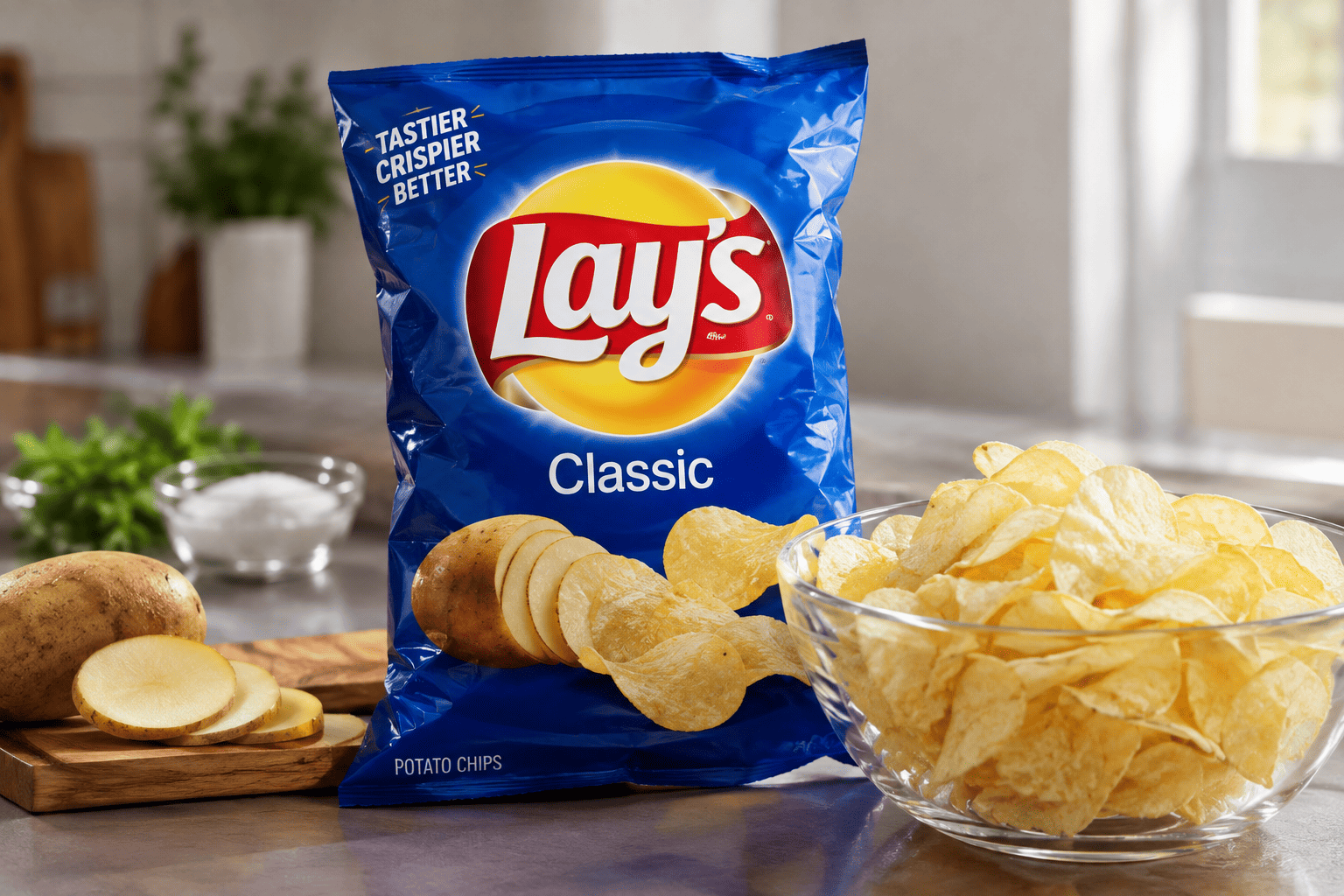
PepsiCo shares moved lower on Tuesday after JPMorgan became the second major bank in as many days to downgrade the food and beverage company, pointing to a stalled turnaround in its North American operations, rising costs and questions about the company's strategic direction.
The stock slipped about 0.47% on the session, underperforming a broadly flat US market. The S&P 500 added roughly 0.04%. PepsiCo closed at $128.50 on Monday and has lost about 10% of its value so far this year.

JPMorgan cuts to Neutral, trims price target
JPMorgan downgraded PepsiCo to Neutral from Overweight and reduced its price target to $138 from $170. The move followed Deutsche Bank's decision on Monday to lower its rating to Hold from Buy and cut its target to $138 from $155.
JPMorgan analyst Andrea Teixeira said the company's upcoming quarter could still post solid top- and bottom-line results, helped by strong international sales, favorable weather and the FIFA World Cup. But she cautioned that those factors could mask persistent softness in the core North American business.
"Excluding these non-recurring tailwinds, judging from the tracked channel and recent price increase announcements, we believe trends in North America have likely continued to underperform management expectations," Teixeira wrote. She added that despite interventions including ingredient reformulation, packaging changes, higher spending and lower prices, Frito-Lay North America salty snacks performance has been lackluster and the recovery appears to have stalled.
Frito-Lay remains the pressure point
The comments underscore the challenge facing Frito-Lay North America, PepsiCo's flagship snacks unit, which has struggled to regain momentum after several years of aggressive price increases. In its latest earnings report, PepsiCo said sales in its North American food business fell 2% in the second quarter. The company also warned of higher commodity costs in the second half while maintaining its full-year outlook.
In July, PepsiCo said elevated gas prices had weighed on consumer demand more than it had anticipated, adding another headwind as shoppers remain price-sensitive.
Analysts see greater reliance on cost cuts
JPMorgan also lowered its earnings expectations. The bank cut its 2027 earnings-per-share estimate to $8.86 from $9.05 and its 2028 estimate to $9.33 from $9.57. Both figures now sit below consensus expectations of $8.95 for 2027 and $9.47 for 2028.
Teixeira said PepsiCo may need to lean more heavily on cost savings in the fourth quarter to reach the lower end of its 5% to 7% earnings growth target. Higher transportation costs are expected to add further pressure. "As estimates will likely move down from here, we expect investors to wait for expectations to be more realistic given the most recent pressures before becoming more constructive again," she said.
Deutsche Bank flags strategic uncertainty
Deutsche Bank analyst Steve Powers said he had "less certainty in PEP's strategic direction in North America," arguing that several turnaround initiatives had produced mixed or short-lived benefits. He said some price increases were understandable given higher fuel, ingredient, packaging and shipping costs, but the timing was concerning because they followed price cuts that had failed to lift sales.
"Successive interventions and refinements suggest the underlying problems are more difficult to solve than management (or we) initially understood," Powers said.
PepsiCo returns to price increases
The downgrades come as PepsiCo prepares to raise prices on some US snack products after cutting them earlier this year. Reuters reported last week that the company planned low- to mid-single-digit percentage increases on some chip brands, broadly in line with inflation, as it tries to revive sales. PepsiCo said the new prices would remain below levels seen before the earlier cuts and that it would keep prices lower where possible.
PepsiCo had reduced prices on products including Doritos and Cheetos by as much as 15% after shoppers complained its snacks had become too expensive. Bloomberg, citing people familiar with the matter, reported the new increases would likely affect grocery-store-sized bags of brands such as Doritos and Ruffles.
The company faces growing competition from smaller snack brands and retailer private-label products, both of which have benefited as consumers grow more price-conscious. Shifting eating habits, including the growing use of GLP-1 medications, have also affected appetite and consumption patterns for snacks. PepsiCo has responded with new products, including protein-enhanced Doritos and Pepsi items containing fiber, in an effort to hold consumer interest.
Powers said PepsiCo's current difficulties partly reflect aggressive price increases in North American snacks during and after the pandemic, along with expanded staffing and infrastructure built for stronger growth that has not materialized.
This article is for informational purposes only and does not constitute financial advice.

