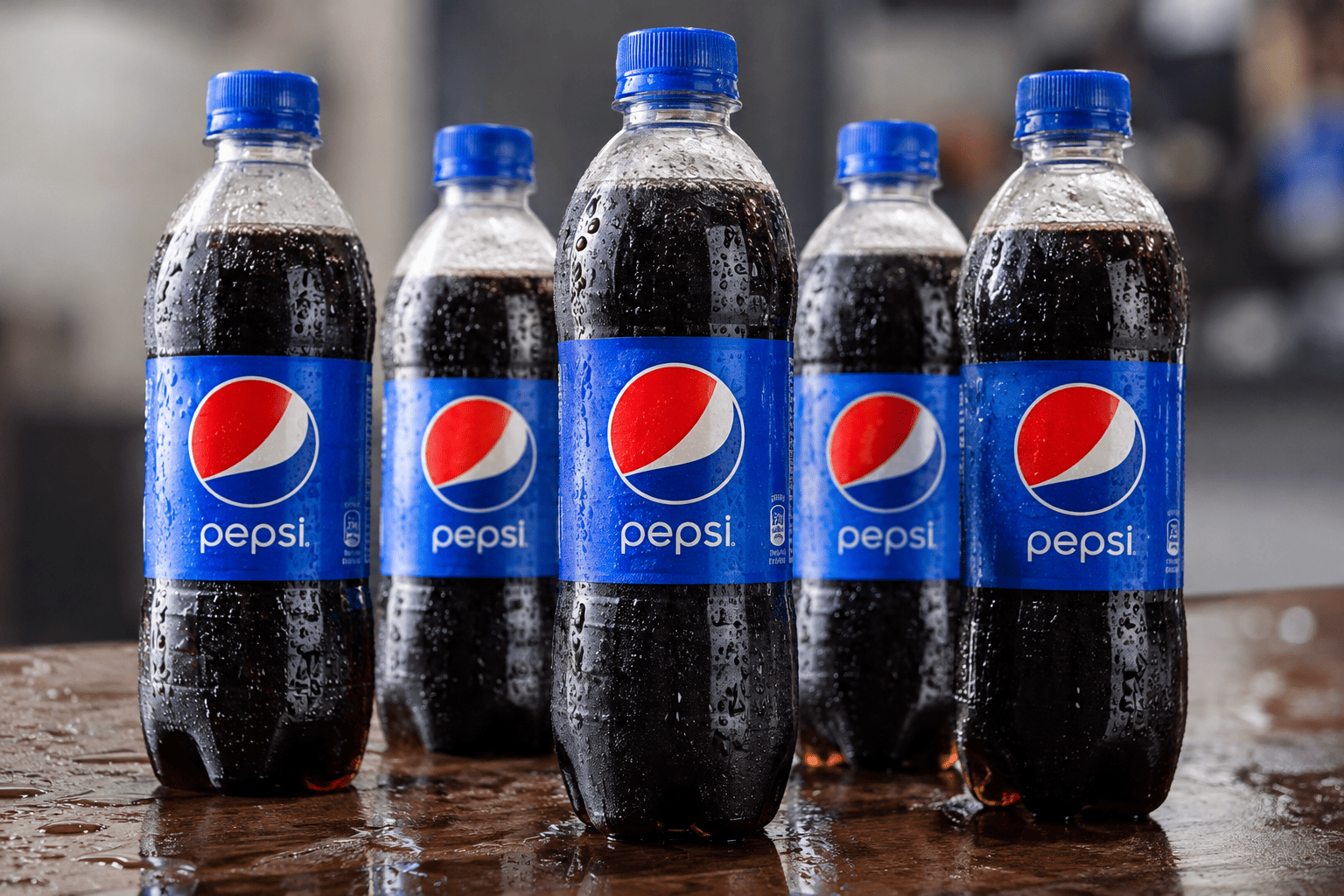
PepsiCo (NASDAQ: PEP) reported third-quarter results that surpassed analyst forecasts, yet the company trimmed its full-year profit guidance, reflecting persistent challenges in its North American operations. Shares climbed more than 1% in Thursday trading as investors weighed the earnings beat against the softer outlook.
Quarterly Performance
Revenue for the quarter ended September 5 increased 5.6% year-over-year to $25.27 billion, edging past the $24.96 billion consensus estimate compiled by LSEG. Core earnings per share came in at $2.34, above the $2.29 analysts had projected.

Despite the better-than-expected results, management lowered its fiscal 2026 core earnings per share growth forecast to 1% to 2% on a currency-neutral basis, down from the previous range of 4% to 6%. The company maintained a more optimistic revenue outlook, now expecting annual organic revenue growth of about 3%, compared with its earlier projection of 2% to 4%.
North America Struggles Persist
PepsiCo acknowledged that its efforts to revive growth and profitability in North America are taking longer than anticipated, prompting additional structural cost reductions. Chief Financial Officer Steve Schmitt noted in prepared remarks that the company remains committed to improving growth and core operating margin in the region, but admitted it is taking more time than planned.
CEO Ramon Laguarta emphasized a focus on the strength of the international business while acting with urgency to improve North American performance through increased innovation, brand building, and sharper marketplace execution. He also mentioned that additional structural cost reduction actions are being identified and will be implemented in the coming months to fund investments aimed at accelerating organic revenue growth and mitigating input cost inflation.
In the third quarter, North American food volumes remained flat year-over-year, while beverage volumes declined 2%. The company had previously cut prices by as much as 15% on products like Lay's and Doritos in February to address affordability concerns. Last month, it announced plans to raise prices on some U.S. products to offset rising costs and improve profitability.
Activist Pressure and Market Reaction
The ongoing weakness has kept pressure on PepsiCo to revitalize its soda business, boost its share price, and consider portfolio changes following activist investor Elliott Investment Management's disclosure of a roughly $4 billion stake last year. After discussions with Elliott, PepsiCo said in December it would review its North American supply chain and pursue aggressive cost-cutting measures.
The stock has fallen 13% this year and 20% over the past six months, closing at $123.73 on Wednesday. JPMorgan downgraded PepsiCo to Neutral from Overweight last month, cutting its price target to $138 from $170. Deutsche Bank also lowered its rating to Hold from Buy and reduced its target to $138 from $155.
The latest results may offer some relief, but the reduced profit outlook suggests investors will likely remain focused on whether PepsiCo can accelerate its North American turnaround while managing rising costs.
This article is for informational purposes only and does not constitute financial advice.

