The Federal Reserve's preferred inflation gauge accelerated in September, while the economy grew faster than expected in the third quarter and jobless claims remained near historic lows, complicating the central bank's policy path.
The personal consumption expenditures (PCE) price index rose 0.5% month-over-month on a seasonally adjusted basis, pushing the annual rate to 3.6%, according to Commerce Department data released Thursday. The monthly increase matched consensus forecasts, while the annual figure came in 0.1 percentage point below expectations.
Core PCE inflation, which strips out volatile food and energy prices, increased 0.3% from the previous month and 3.1% on an annual basis, both in line with economist projections. Fed officials often view core inflation as a more reliable gauge of underlying price pressures, though they monitor both measures.
Inflation remains well above the Fed's 2% target, even as the economy shows continued resilience. The third-quarter gross domestic product expanded at a seasonally adjusted annualized rate of 3.4%, beating the 3.1% estimate and accelerating from 2.2% in the second quarter.
Consumer spending, a key driver of U.S. growth, rose 0.5% in September, slightly below the 0.6% forecast. Personal income increased 0.2%, compared with expectations for a 0.3% gain.
The combination of firm growth and persistent inflation could make it harder for policymakers to justify easing monetary policy in the near term. The data arrived a day after the Federal Reserve held its benchmark interest rate in a range of 3.75%-4.00%. Officials have indicated they can assess incoming information before deciding their next move, despite inflation remaining elevated.
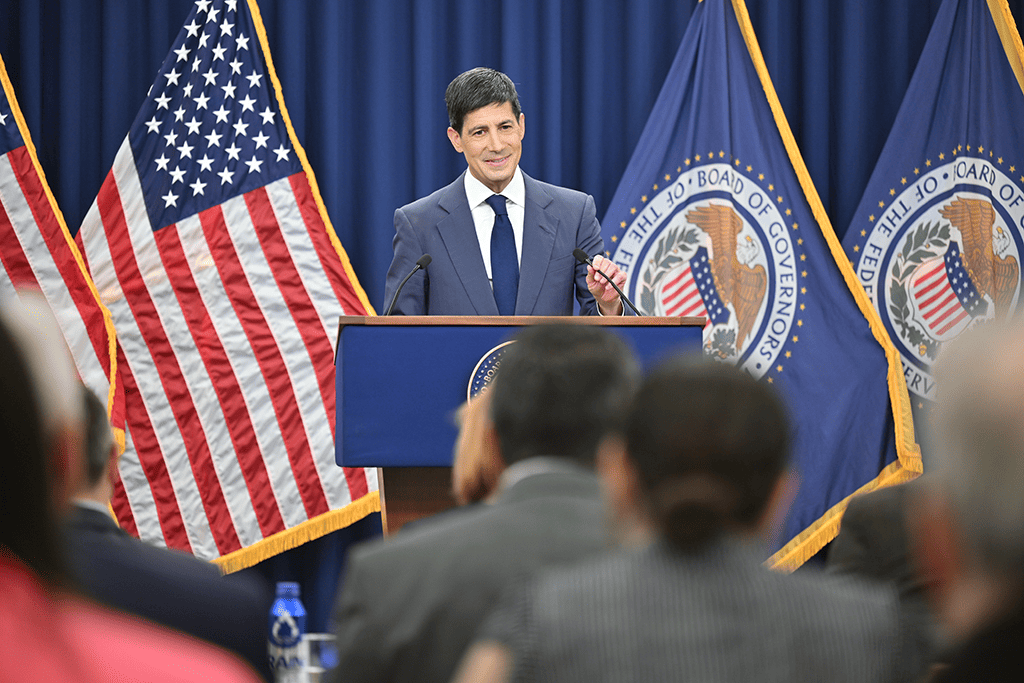
Fed Chairman Kevin Warsh said, "The period right in front of us is information rich. There is a lot that's happening in the world. My colleagues and I are keen to take notice of it." Thursday's figures, however, suggest that policymakers may have more work to do to bring inflation under control while sustaining economic growth.
Separate Labor Department data showed initial claims for state unemployment benefits fell by 1,000 to a seasonally adjusted 194,000 in the week ended October 24, below the 199,000 expected by economists. Claims have remained mostly below 200,000 since mid-September and are close to the 189,000 recorded in mid-July, the lowest level since 1969.
Economists describe the labor market as being in a "low-hire, low-fire" state, with resilient domestic demand and strong corporate profits helping keep layoffs near historic lows. However, the ongoing US-Israeli war with Iran has made employers more hesitant to expand their workforces.
Continuing claims, which track people receiving unemployment benefits after an initial week of aid, fell by 21,000 to a seasonally adjusted 1.701 million in the week ended October 17. The measure covers the period in which the government surveyed households for October's unemployment rate, which stood at 4.2% in September and could remain steady or edge lower in October.
A Conference Board survey released Tuesday showed consumers had become more optimistic about labor market conditions. A shrinking labor force amid the Trump administration's immigration crackdown has also helped keep the unemployment rate low.
Warsh acknowledged the labor market's stability after Wednesday's policy decision, telling reporters that "on the employment side of the Fed's dual mandate, conditions are quite positive." With inflation still elevated, growth stronger than anticipated and layoffs subdued, economists expect the Federal Reserve to raise rates in December.
The latest data underline the challenge facing policymakers as they weigh price stability against the risks of keeping monetary policy restrictive for too long.
This article is for informational purposes only and does not constitute financial advice.