Nvidia (NASDAQ: NVDA) shares surged more than 3% on Wednesday, extending a 2% gain from the prior session, as investors turned their attention to Alphabet's quarterly earnings report for fresh signals on artificial intelligence spending—a critical demand driver for the chipmaker's processors.
The broader semiconductor sector also advanced, with Advanced Micro Devices and Broadcom each rising approximately 2%. The overall U.S. market was mixed: the S&P 500 edged up 0.1%, the Nasdaq Composite slipped 0.1%, and the Dow Jones Industrial Average added 152 points, or 0.3%. Rising oil prices tempered broader investor sentiment.

Alphabet Earnings in Focus
Market participants are closely watching Alphabet's results, due after Wednesday's close, for clarity on AI investment plans that could influence demand for Nvidia's chips. The earnings season is expected to provide a clearer picture of whether major technology companies intend to sustain their current pace of AI infrastructure spending.
Other tech giants, including Microsoft, Meta Platforms, and Amazon, are scheduled to report quarterly results this month. Investors will scrutinize capital expenditure guidance as a key indicator of future AI infrastructure outlays. Beyond overall spending levels, the mix of AI hardware purchases is also under the microscope, as large technology companies increasingly explore custom-designed processors—often developed with partners like Broadcom—for certain workloads. While these custom chips may not match Nvidia's GPU performance, they could reduce dependence on third-party suppliers for specific applications.
For more context on how big tech capex trends could impact Nvidia, see Nvidia Stock Needs Big Tech Capex Confirmation to Regain Momentum.
Bank of America Highlights Vera CPU Opportunity
Bank of America Research maintained a Buy rating and a $350 price target on Nvidia, arguing that the company's recently introduced Vera central processing unit expands its position in AI infrastructure. The bank estimates the server CPU total addressable market could reach $170 billion by 2030, roughly four times current levels.
Analyst Vivek Arya noted that the launch of Vera marks the beginning of direct competition with AMD over how agentic AI workloads should be measured and monetized. "The key question for investors is whether agentic AI is primarily constrained by time-to-complete an agent or number-of-agents-per-rack," Arya wrote. Nvidia's Vera architecture is designed around the former approach.
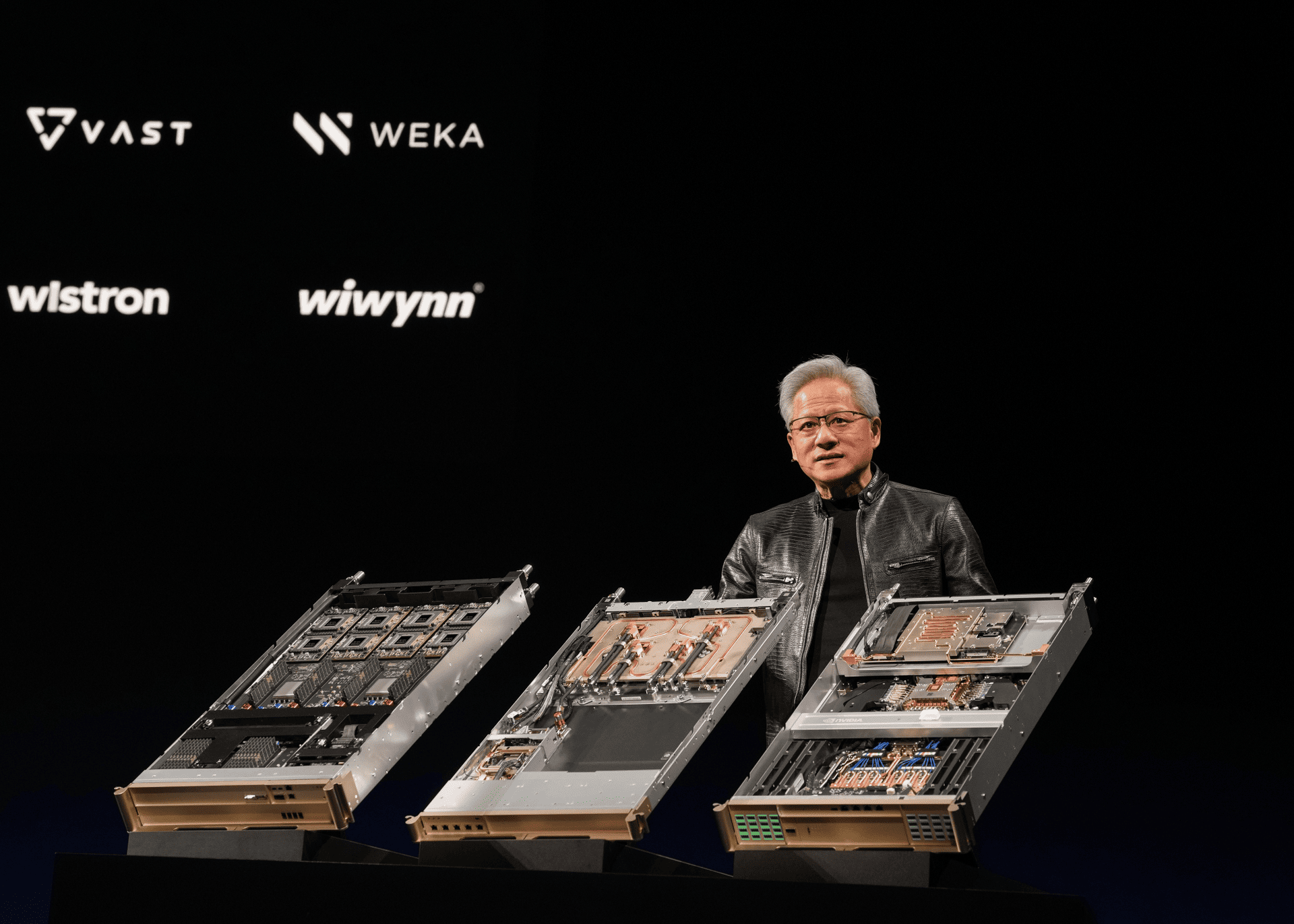
The Vera processor combines 88 custom Olympus Arm-based cores with 1.2 terabytes per second of memory bandwidth and 3.4 terabytes per second of on-die fabric bandwidth. It is intended to operate as part of an integrated AI platform that includes Nvidia's Rubin GPU, NVLink interconnect, Spectrum networking switches, and BlueField networking and storage interface cards. Bank of America's bullish view is based on Nvidia's ability to offer a co-designed AI system rather than a standalone processor.
For a broader perspective on Nvidia's positioning amid AI competition, read Apple Reclaims World's Most Valuable Company Title from Nvidia as AI Strategy Gains Traction.
Performance and Outlook
Although Nvidia shares have gained nearly 25% over the past year, the stock has underperformed several other semiconductor companies as investors weigh concerns over growing competition and the sustainability of elevated AI chip pricing. The upcoming earnings reports from major tech firms are expected to provide critical data points on whether AI infrastructure investment remains robust.
Investors should also consider the potential impact of custom chip development on Nvidia's market share. As large technology companies diversify their AI hardware sourcing, Nvidia's ability to maintain its dominant position will depend on the performance and integration of its full platform, including Vera and Rubin.
For additional analysis on recent chip sector dynamics, see Nvidia Stock Dips 2.5% as Chip Sector Slumps Despite Japan AI Expansion.
This article is for informational purposes only and does not constitute financial advice.