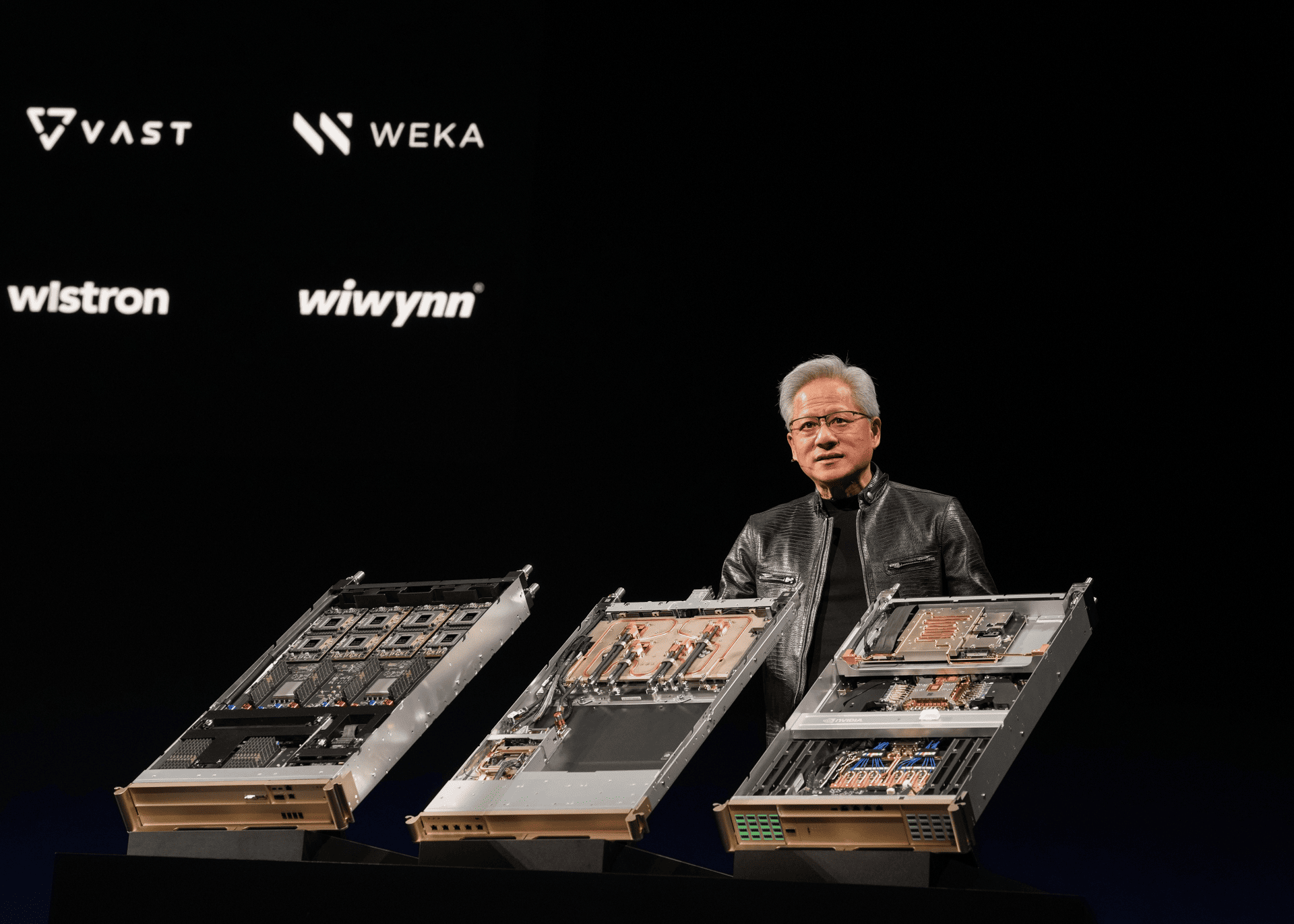
Nvidia (NASDAQ: NVDA) shares slipped 0.3% to $216.74 in early trading Thursday, continuing a stretch of relative weakness. The stock has gained 17% year-to-date through Wednesday's close, a far cry from the 66% advance in the PHLX Semiconductor Index over the same period.
The upcoming earnings report, scheduled for next Wednesday, could be a catalyst to close that gap. Several analysts expect the chipmaker to deliver a beat-and-raise performance, with consensus estimates calling for adjusted earnings of $2.09 per share on revenue of $91.96 billion for the July quarter.

Analysts remain bullish on Nvidia
Stifel analyst Ruben Roy reiterated a $282 price target on Nvidia, implying roughly 30% upside from current levels. Roy's target is based on a price-to-earnings multiple of 22 times his fiscal 2028 earnings forecast. He expects Nvidia to exceed consensus expectations for the quarter.
Oppenheimer also reaffirmed its Outperform rating and $265 price target ahead of the report. The firm anticipates upside to both second-quarter results and third-quarter guidance, driven by the ramp of Blackwell Ultra and the next-generation VR200 chip. Oppenheimer projects more than $1 trillion in combined revenue from GB200, GB300, and VR200 between 2025 and 2027.
The firm highlighted Nvidia's performance-per-watt leadership, which it says comes from an annual cadence of AI accelerator introductions. Oppenheimer also pointed to tokens per minute and cost per token as key metrics where Nvidia remains best-in-class for both training and inference. The full-stack AI platform—including GPUs, networking switches, NICs, InfiniBand, Ethernet, NVLink, and CUDA—is seen as a durable competitive advantage.
Morningstar analysts are also looking for another "beat-and-raise" quarter, citing strong capital expenditure trends among hyperscalers and enterprises. Morningstar has a $280 fair value estimate on Nvidia.
Financing and competition concerns linger
Nvidia's underperformance this year has been partly attributed to worries about AI spending sustainability, its financing arrangements, and intensifying competition in the semiconductor space. Cantor Fitzgerald pushed back against the notion that Nvidia is effectively buying revenue through its financial deals, reiterating a Buy rating. The firm described Nvidia's latest agreement as a "clear signal that the current AI investment cycle will be elongated and durable," viewing it less as circular and more as facilitating the AI buildout while strengthening competitive moats.
Nvidia's robust cash generation has enabled it to invest across the AI ecosystem while returning capital to shareholders. In May, the company raised its quarterly dividend to 25 cents per share from a penny and announced a new $80 billion stock buyback plan. It also pledged to return roughly 50% of free cash flow to shareholders this year.
Next week's earnings will be a key test of Nvidia's ability to convert sustained AI infrastructure investment into revenue growth, while addressing investor concerns over financing, competition, and the durability of sector-wide spending. For context, recent developments in China could also influence the quarter's results. Additionally, Nvidia's $105 billion OpenAI lease guarantee underscores its deep involvement in AI infrastructure financing.
As the market awaits the report, some investors are also watching broader macro pressures that have weighed on chip stocks. The outcome will likely shape sentiment across the AI trade in the coming weeks.
This article is for informational purposes only and does not constitute financial advice.