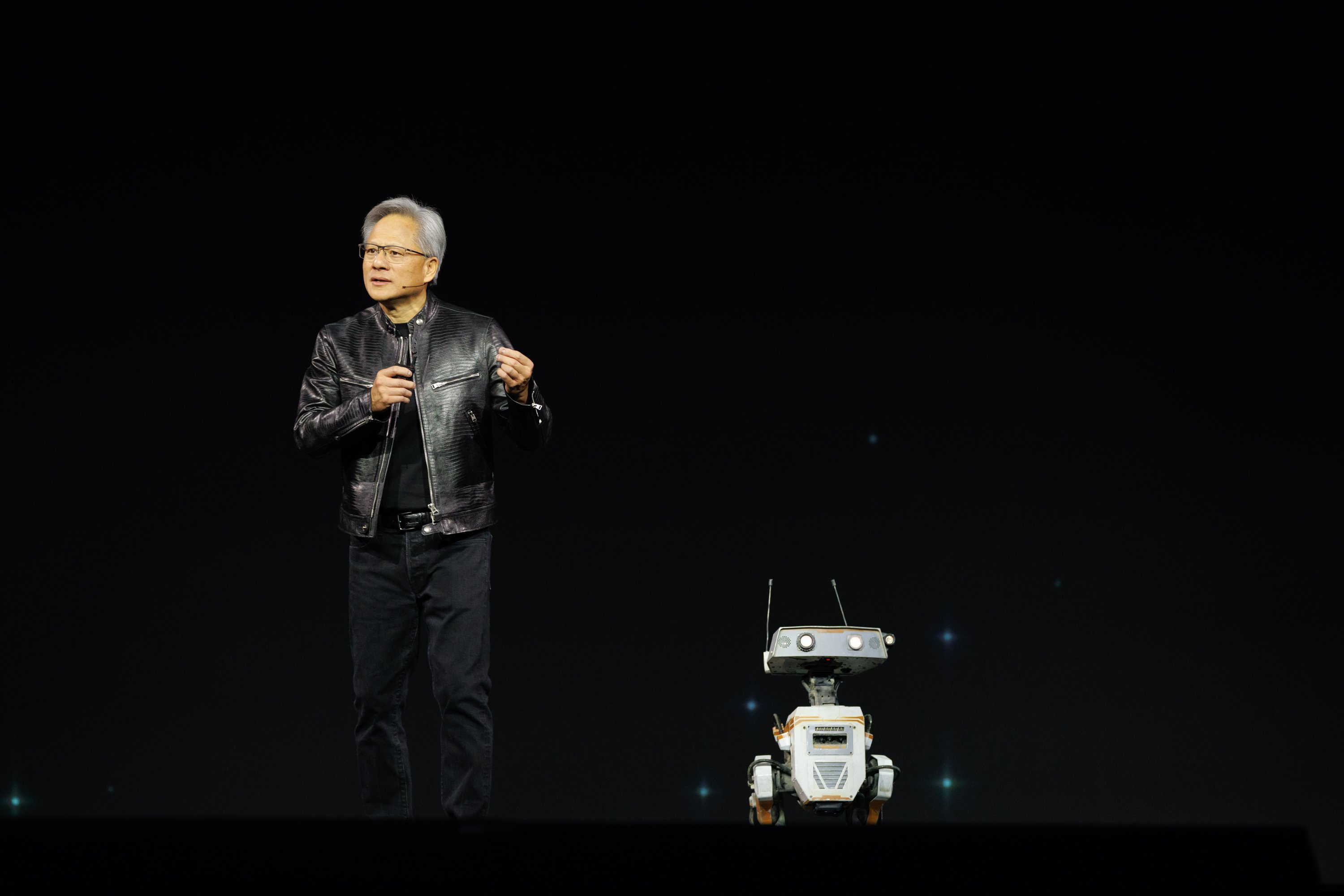
Nvidia is expanding its role beyond chipmaking, partnering with major financial institutions to channel hundreds of billions of dollars into AI infrastructure. The company announced memorandums of understanding with Apollo, BlackRock, Blackstone, Brookfield, Goldman Sachs, and KKR to mobilize more than $500 billion in third-party capital for AI projects over time. While these agreements are not yet final, they signal a strategic shift toward financing the very ecosystem that drives demand for its products.
Wall Street as a demand engine
The concept is straightforward: AI developers, cloud providers, and enterprises require massive computing capacity, but building data centers demands substantial upfront investment. By bringing institutional investors into the fold, Nvidia aims to transform AI compute into a new asset class for long-term private capital. Easier access to financing could accelerate data center construction, boosting orders for Nvidia systems and expanding adoption of its CUDA software platform.

CEO Jensen Huang described the initiative as creating "a new class of productive, investable infrastructure," emphasizing that Nvidia's compute can generate revenue across various customers and workloads for years. Goldman Sachs CEO David Solomon echoed this sentiment, noting that Nvidia's technology creates an opportunity for a credit market backed by computing infrastructure.
Investor skepticism persists
Despite the ambitious plan, investors remain cautious. Nvidia's stock fell 2.9% to $217.55 on Monday, reflecting concerns about the company's deepening financial entanglement with its customers. The announcement revived worries about circular financing, where Nvidia's investments and financing support help create demand for its own products. Bernstein analyst Stacy Rasgon has previously flagged this issue but maintained a Buy rating with a $315 price target, according to Business Insider.
However, Nvidia's financial strength provides a buffer. The company generated approximately $157 billion in free cash flow across fiscal 2025 and 2026, with an additional $48.6 billion in its latest reported quarter. This gives it far more flexibility than a typical vendor relying on lending to sustain sales.
Risk assessment
The $500 billion plan differs from traditional vendor financing. Apollo, BlackRock, and other partners are expected to independently underwrite investments using third-party capital, reducing Nvidia's direct exposure. Yet, Nvidia may provide residual-value support of up to 25% on some projects, leaving it vulnerable if infrastructure values or utilization rates decline.
If AI monetization improves, the model could become a virtuous cycle: investors provide capital, customers build capacity, Nvidia sells systems, and financiers earn infrastructure-style returns. Conversely, disappointing returns could trigger a downward spiral, with weaker customers cutting orders as asset values fall and financing conditions tighten.
JPMorgan analysts told The Wall Street Journal that concerns about AI capital expenditure could ease as monetization improves, with backlog and demand increasingly keeping pace with spending. Wall Street remains overwhelmingly bullish, with 78 of 81 analysts tracked by Bloomberg rating Nvidia a Buy.
For more context on Nvidia's recent moves, see Nvidia's Lancium stake and AI funding talks. The broader AI trade has also seen volatility, as noted in SanDisk's guidance impact.
This article is for informational purposes only and does not constitute financial advice.

