Novo Nordisk shares tumbled as much as 6% on Monday after the Danish drugmaker unveiled ambitious growth targets aimed at countering mounting competition in the obesity drug market, but investors remained skeptical about the company's ability to sustain its momentum.
The Copenhagen-listed stock was down 6% by late morning, while its US-listed shares also slipped over 6% in premarket trading. The decline came despite the company's announcement that it plans to launch more than five drugs with "multi-blockbuster" potential by 2030 and generate over 150 billion Danish kroner ($23 billion) in pipeline sales by 2035.

Novo also said it expects revenue growth between 2026 and 2030 to be in line with industry peers, including Eli Lilly, AstraZeneca, and Johnson & Johnson. The company aims to scale capacity to serve 10 times more people with obesity on oral GLP-1 drugs and reach 60 million patients globally.
The targets were part of a broader effort to convince investors that Novo can maintain growth as competition intensifies and patent protection for its blockbuster semaglutide franchise approaches its end. The company's shares have fallen more than 70% from their peak, while rival Eli Lilly has continued to gain.
Novo's share price is down about 18% this year on both exchanges where it is listed, compared with a gain of more than 6% for Lilly. According to LSEG data, Lilly's Zepbound is expected to generate more than $7 billion in additional sales over Wegovy this year. In the US, Lilly held a 60.9% share of the obesity and diabetes drug market in the second quarter, versus Novo's 38.8%, according to Lilly's earnings presentation last month.
Patent expiry looms over semaglutide
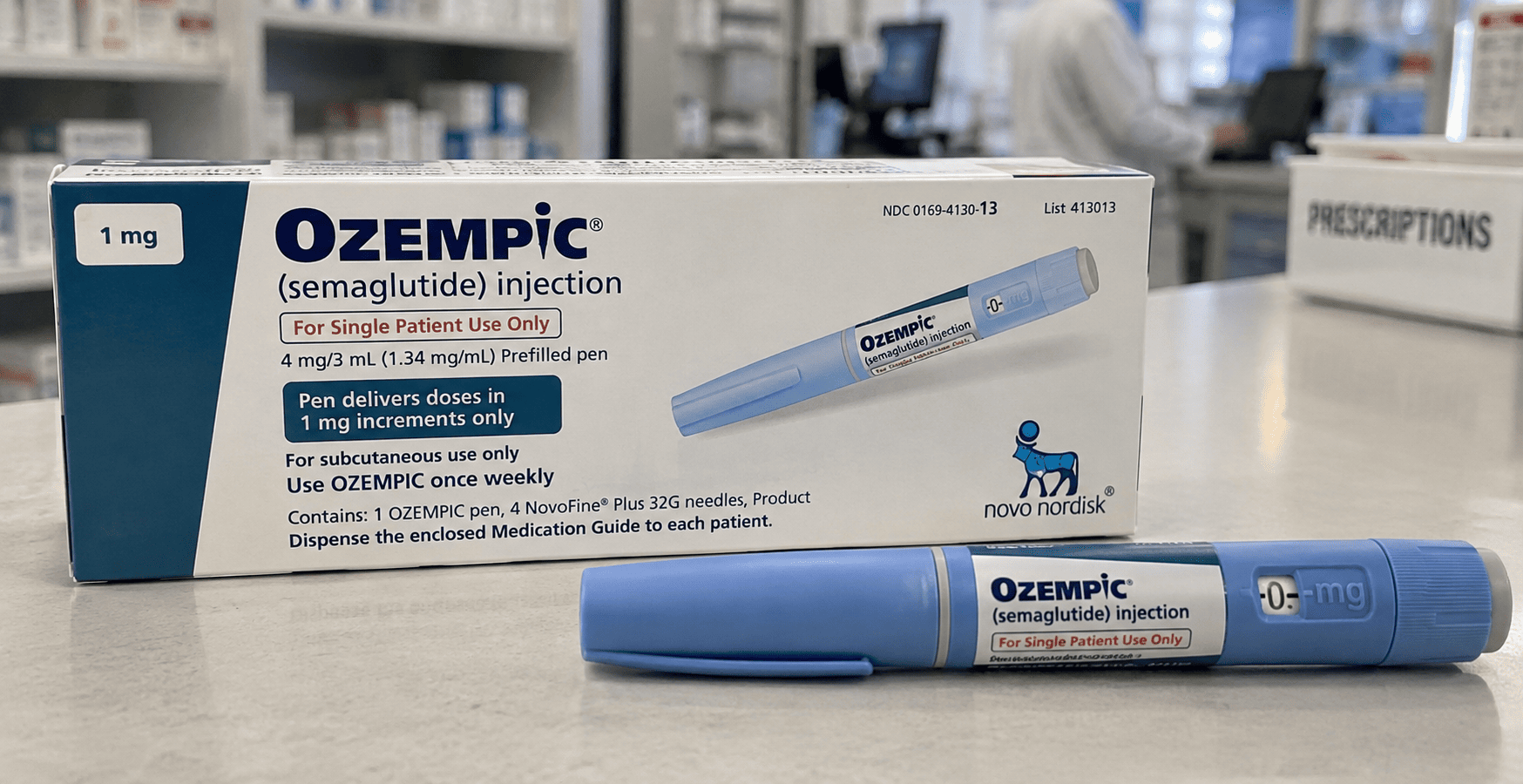
At the center of Novo's challenge is semaglutide, the active ingredient in Wegovy and its diabetes treatment Ozempic. CEO Mike Doustdar told investors at the company's Capital Markets Day in London on Monday that the impending loss of patent exclusivity was the "elephant in the room." Key US patent protection for semaglutide expires in 2032, and the US accounts for more than half of Novo's sales.
"This loss of exclusivity is what's on most people's mind, and rightfully so," Doustdar said. "We created an incredibly attractive market, and now almost every other single pharma company, big or small, is trying to come and compete with us. We need to be ready for that."
The company's strategy is to diversify its business before semaglutide loses exclusivity. "We plan to come on the other side of the LOE as a bigger company than we are today and a much more diversified version of it," he added.
Broader pipeline and capacity expansion
Novo said it plans to launch more than five drugs with blockbuster potential across multiple indications by 2030. Its risk-adjusted pipeline is expected to generate more than DKK 150 billion in sales by 2035, including existing pipeline assets. The company also wants to have at least five Phase 3 programs in obesity and diabetes and at least five more across other therapeutic areas.
Novo is simultaneously expanding capacity for oral GLP-1 treatments, aiming to provide these medicines to 10 times more people with obesity and reach more than 60 million patients globally by 2030. The company also said it intends to maintain an attractive dividend per share.
However, Novo cautioned that these ambitions are based on a 2026 baseline and are subject to inherent uncertainty. The targets do not constitute financial guidance or an outlook.
Investors want proof beyond Wegovy
The new targets come as investors increasingly focus on whether Novo can replenish its pipeline quickly enough to offset slowing growth from its existing franchise. Doustdar, appointed CEO just over a year ago, has moved to tighten costs, eliminate lagging or dead-end clinical programs, and pursue targeted acquisitions and partnerships.
The company received a boost from the launch of the Wegovy pill earlier this year, but a major setback followed when Novo halted trials of its experimental heart drug ziltivekimab. That development added to concerns about longer-term sales growth as the clock ticks down toward the loss of semaglutide exclusivity.
"It will be a very tough task actually to convince the market that the company is in really good shape because of the competition from Lilly, the price pressure, and also the patent expiry of semaglutide at the beginning of the next decade," said Sydbank analyst Soren Lontoft Hansen in a Reuters report ahead of Monday's announcement.
Novo's latest results had offered some reasons for optimism. The company beat Wall Street expectations and raised its full-year outlook last month, citing "increased expectations" for GLP-1 product sales. Sales of Ozempic and Novo's overall obesity portfolio also exceeded analyst estimates for the quarter, according to StreetAccount.
But investors appeared more focused on the long-term challenges. As the company navigates this transition, its ability to deliver on these ambitious targets will be closely watched. For more on the competitive landscape, see our coverage of Eli Lilly's market share gains and GLP-1 drug competition.
This article is for informational purposes only and does not constitute financial advice.

