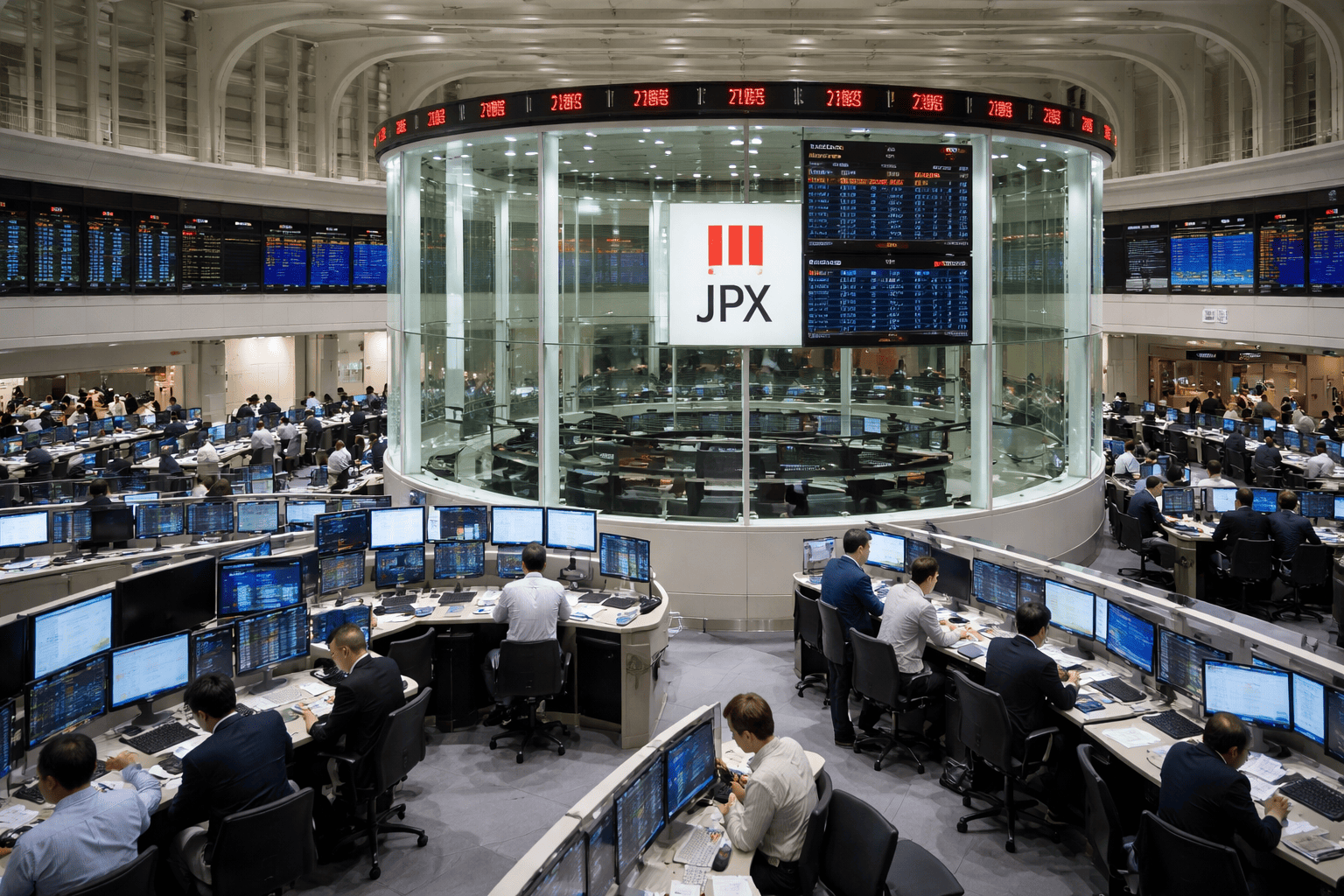
The Nikkei 225 Index has pulled back from its all-time high of 72,781 reached in June, currently trading near 69,190. Despite the recent profit-taking, the benchmark is still up roughly 37% year-to-date. Investors are now focusing on four key catalysts that could shape the index's trajectory in July.
1. Bank of Japan Policy Decision
The Bank of Japan's July 30 meeting is the most anticipated event for Japanese equities. The yen remains under severe pressure, with USD/JPY hovering near 162.56, close to its highest level in over four decades. The pair has appreciated more than 13% over the past 12 months, creating a challenging environment for the BoJ.

While the central bank has already raised rates to 1% and deployed over $73 billion in market interventions, the yen continues to weaken. A weaker yen benefits large exporters like Toyota and Sony by boosting the value of overseas earnings, but it hurts domestic-focused firms reliant on imported raw materials. The BoJ may consider additional measures, such as currency swaps with the Federal Reserve, to stabilize the currency. Any hawkish surprise could strengthen the yen and pressure export-heavy sectors, while a dovish stance may support the index further.
2. Corporate Earnings Season
July brings a wave of earnings reports from both Japanese and US companies. In Japan, major names such as Fast Retailing, Seven & i Holdings, Keyence, Renesas, Sumitomo Mitsui, Nomura, Hitachi, and Advantest are scheduled to report. These results will provide critical insight into corporate health, particularly how companies are navigating currency volatility and input cost pressures.
On the US side, earnings season kicks off July 14 with big banks like JPMorgan, Goldman Sachs, and Morgan Stanley. However, the most significant impact on the Nikkei may come from tech giants Microsoft, Meta Platforms, and Alphabet. Their commentary on AI spending will be closely watched, as AI-related demand has been a major driver of Japanese semiconductor and equipment stocks.
3. US-Iran Negotiations and Oil Prices
Japan is highly sensitive to Middle East developments due to its heavy reliance on oil and natural gas imports from the region. The ongoing 60-day ceasefire and US-Iran talks are a key variable. A successful diplomatic outcome could lower energy prices, easing cost pressures on Japanese importers and supporting the broader economy. Conversely, a breakdown in talks or renewed conflict could spike oil prices, weighing on corporate profits and the Nikkei. The recent Brent crude bounce from a 4-month low highlights the market's sensitivity to geopolitical risks in the region.
4. Artificial Intelligence Trends
The AI boom has been a powerful tailwind for the Nikkei, lifting stocks like SoftBank, Tokyo Electron, and Kioxia. Any shifts in AI sentiment could have outsized effects. For instance, reports that OpenAI may delay its IPO could weigh on SoftBank, a major constituent of the index. Conversely, continued strength in memory chip demand would be bullish for semiconductor-related names. The broader tech rally has also influenced other Asian markets, as seen in the Hang Seng Index drop of 10% in H1 while Nikkei and Kospi surged on AI demand.
In addition to these four catalysts, the Federal Reserve's July meeting will also be in focus. Markets expect the Fed to hold rates steady, but any hawkish commentary could strengthen the dollar and indirectly pressure the yen, adding another layer of complexity for Japanese equities.
This article is for informational purposes only and does not constitute financial advice.