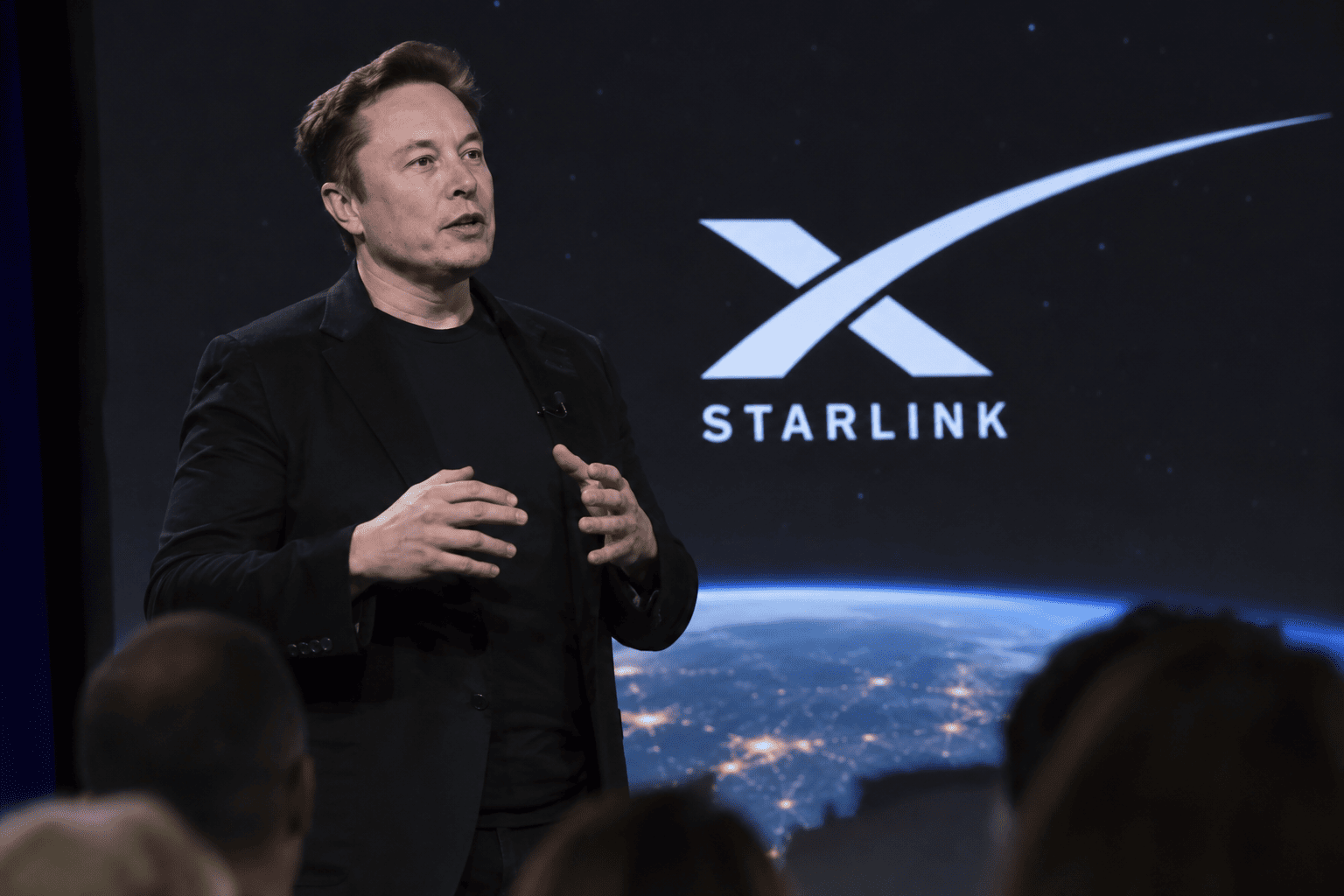
Elon Musk's prolonged quest to launch Starlink in India has escalated into a public spat with rival Mukesh Ambani, as regulatory hurdles continue to delay the satellite internet service. Musk took to X on Thursday to question why Starlink, licensed in over 165 countries, still lacks a commercial license in India after five years of compliance. He alleged that "certain oligarchs" are obstructing his entry to protect their monopolistic hold, prompting a swift rebuttal from India's telecom ministry.
Starlink received a license to operate in India last year, becoming the third provider after Eutelsat's OneWeb and Reliance Jio. However, the license does not permit immediate commercial operations. The company must still secure spectrum, build ground infrastructure, and pass security tests to demonstrate compliance with agreed conditions. The telecom ministry clarified that security assessments are ongoing for all three licensees, and none have advanced beyond the same regulatory stage, dismissing Musk's claims of unfair treatment as "baseless and misconceived."

Competitors Await Approvals
At the India Mobile Congress in New Delhi, executives from Starlink, Reliance Jio, and Bharti Airtel discussed their satellite plans. Akash Ambani, chairman of Reliance Jio, declined to comment directly on Musk's allegations, stating, "We want to be heads down and deliver value to our Indian consumers." Sunil Mittal, chairman of Bharti Enterprises, which holds a stake in Eutelsat, said his group is also "waiting for our own approvals," with services expected to begin "hopefully soon."
Starlink's vice president of business operations, Lauren Dreyer, expressed readiness to serve India, aligning with Prime Minister Narendra Modi's goal of universal connectivity. The company has been pursuing entry into the Indian market since 2022, but the path has been fraught with regulatory and competitive challenges.
The Spectrum Allocation Dispute
The rivalry between Musk and Ambani traces back to a fundamental disagreement over how satellite spectrum should be allocated. Musk advocates for administrative assignment, as is common in many countries, while Reliance has pushed for an auction to ensure a level playing field with traditional telecom operators. Starlink argued that an auction would impose geographical restrictions and increase costs, a stance that found favor with the Indian government in 2024 when it decided to allocate spectrum administratively.
Despite this victory, Starlink's commercial launch remains stalled, highlighting the complexity of India's regulatory environment. The security clearance process, designed to protect user data and national interests, is a critical step that all satellite providers must navigate. As the world's second-largest internet market, India represents a significant opportunity, but the path to entry is proving arduous for even the most determined players.
The public clash between two of the world's wealthiest businessmen underscores the high stakes involved. With India's satellite broadband market poised for growth, the outcome of this regulatory saga will shape the competitive landscape for years to come. For now, Starlink, Jio, and OneWeb remain in a holding pattern, awaiting the green light from Indian authorities.
This article is for informational purposes only and does not constitute financial advice.

