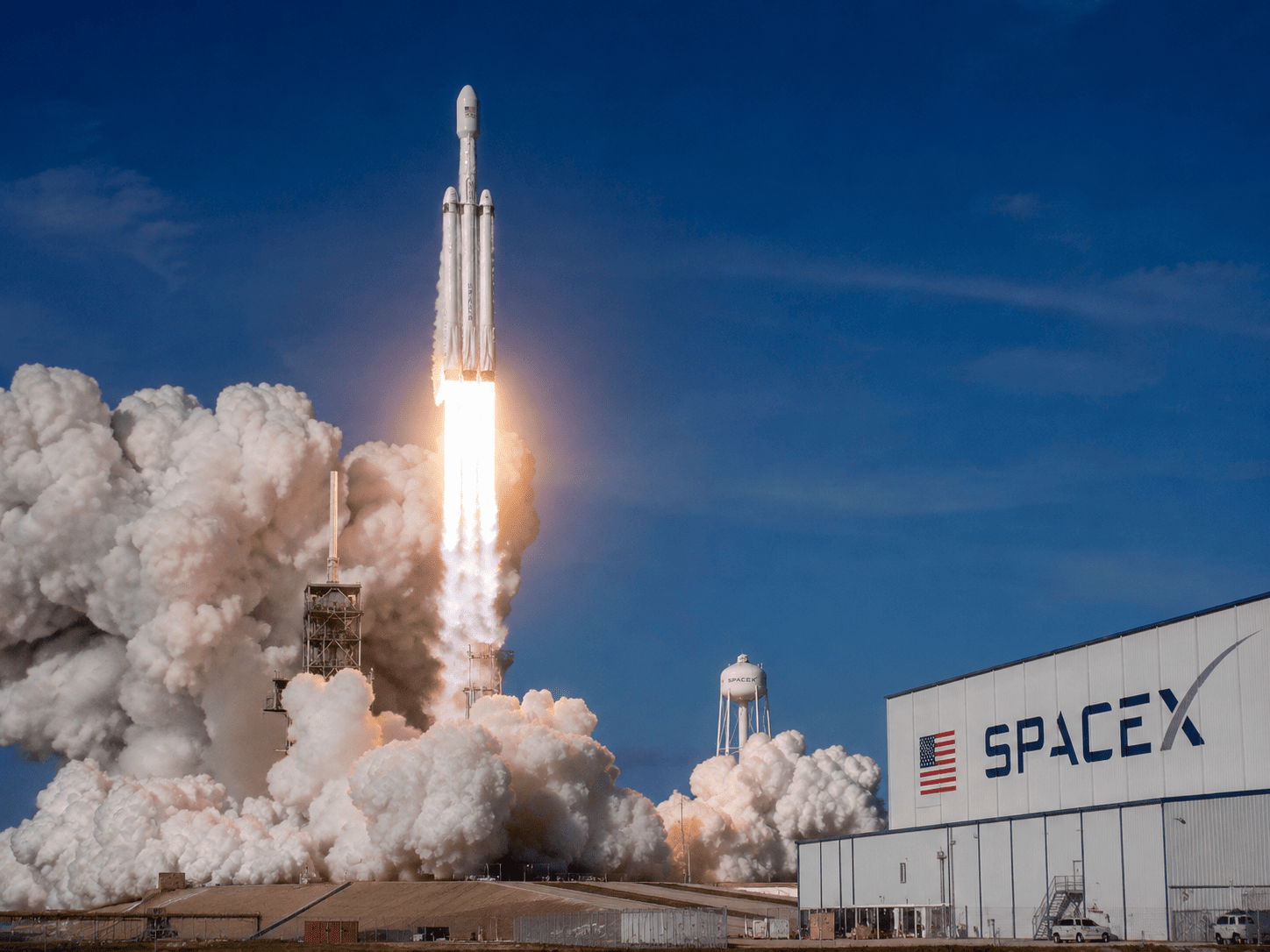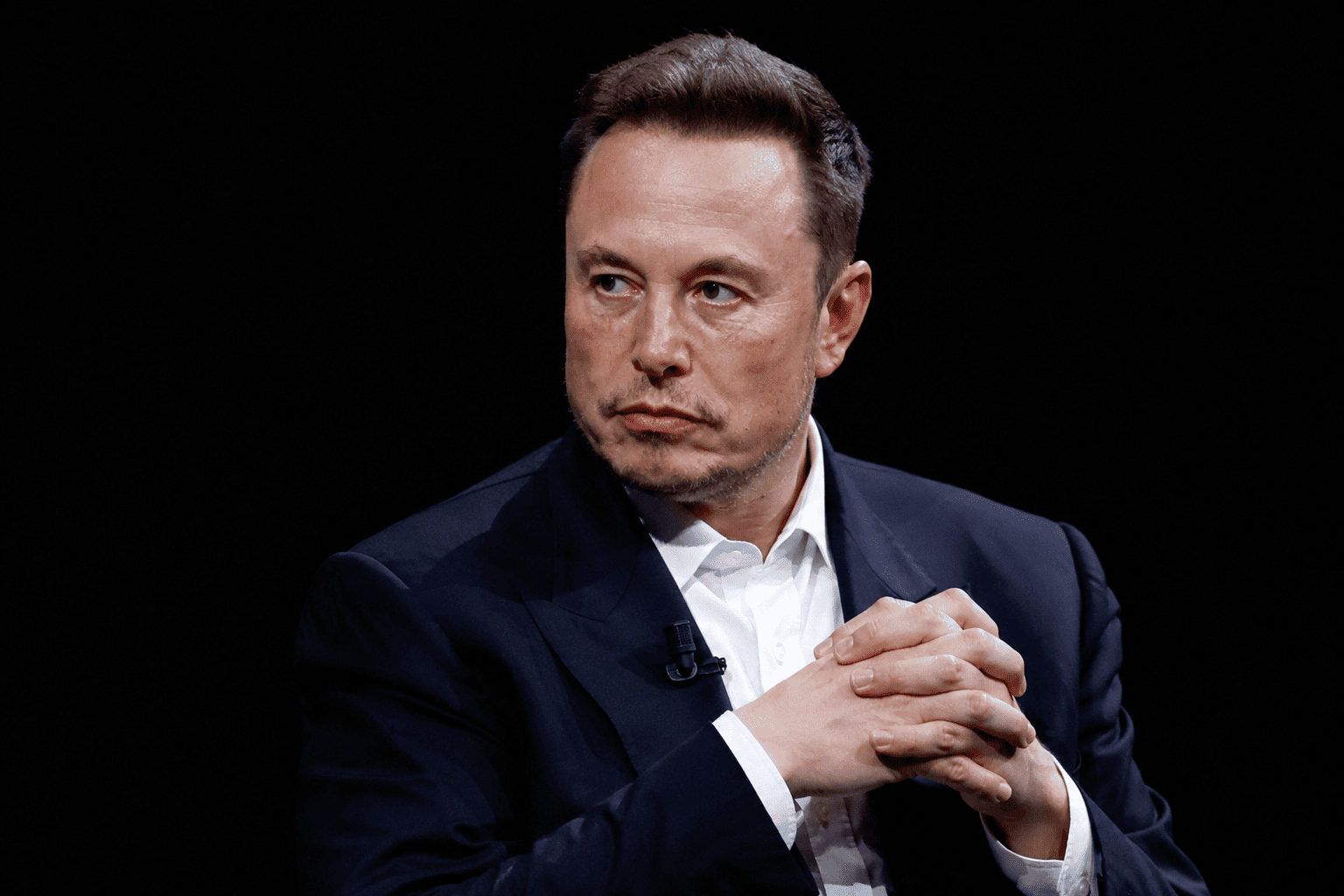
Elon Musk's personal fortune has climbed sharply this week, propelled by a strong rebound in SpaceX shares and growing analyst optimism about the company's artificial intelligence ambitions. According to the Bloomberg Billionaires Index, Musk added roughly $65 billion to his net worth on Wednesday alone, lifting his total wealth to approximately $884 billion. That puts him ahead of the next three wealthiest individuals combined—Larry Page ($295 billion), Jeff Bezos ($288 billion), and Sergey Brin ($275 billion).
The surge has reignited speculation that Musk could soon reclaim trillionaire status, a milestone he briefly touched in 2021 during Tesla's meteoric rise. A report from the Wall Street Journal notes that a potential merger between Tesla and SpaceX could accelerate his path to a $1 trillion payday, though such a deal would face significant regulatory and structural hurdles.
SpaceX stock rebounds after post-earnings dip
SpaceX shares have been the primary driver of Musk's recent wealth gains. After falling to a low of $104 following the company's earnings release and the expiration of an employee lockup period, the stock has bounced back to around $146 as investors stepped in to buy the dip. The recovery has been supported by a wave of analyst upgrades and price target increases.
Morgan Stanley, which participated in SpaceX's initial public offering, recently issued a note suggesting the stock could eventually reach $300. If realized, that would push the company's market capitalization above $3.95 trillion, making Musk's roughly 20% stake worth over $1.4 trillion. The bank's bullish thesis centers on SpaceX's AI business, which it believes is undervalued by the market.
AI becomes a key growth engine
SpaceX's AI division, which includes the xAI platform and its Grok chatbot—a direct competitor to OpenAI's ChatGPT and Anthropic's Claude—has emerged as a significant revenue contributor. The company also operates AI data centers on Earth, with plans to launch orbital data centers as early as 2028. These facilities are competing with established players like CoreWeave and Nebius, and demand is reportedly strong from major tech firms including Google, Anthropic, and Reflection AI.
In its latest earnings report, SpaceX's AI segment generated over $4.2 billion in revenue, making it the second-largest revenue stream after its connectivity business. However, the division remains loss-making, posting a $1.2 billion loss due to high operating costs. Capital expenditures in the AI unit have also surged to $15.8 billion, reflecting the heavy investment required to scale infrastructure.
Tesla remains a drag on Musk's portfolio
While SpaceX is thriving, Tesla continues to pose challenges. The electric vehicle maker's stock is trading at around $327, well below its all-time high of $499. Musk owns nearly 20% of Tesla, so its performance significantly impacts his net worth.
Tesla's second-quarter earnings showed revenue growth in the double digits, driven by higher deliveries as consumers shifted toward EVs amid rising gasoline prices. However, free cash flow turned negative as the company ramped up spending on AI and autonomous driving technologies. The robotaxi business is also facing intensifying competition from Waymo, and the Optimus humanoid robot remains an unproven venture. As seen with the Cybertruck, there is no guarantee that Optimus will achieve commercial success.
Valuation remains a concern as well. Tesla trades at a forward price-to-earnings ratio of approximately 185, compared with single-digit multiples for traditional automakers. This premium pricing leaves little room for error, and any misstep could trigger a sharp correction.
For investors, the divergence between SpaceX's momentum and Tesla's struggles highlights the importance of evaluating each asset on its own merits. While SpaceX's AI-driven growth story is compelling, Tesla's execution risks and lofty valuation warrant caution. As always, market conditions can change rapidly, and past performance is not indicative of future results.
This article is for informational purposes only and does not constitute financial advice.