
Morgan Stanley has revised down its oil price forecasts for the second half of 2026, pointing to a quicker-than-anticipated recovery of shipments through the Strait of Hormuz. The bank now expects Brent crude to average $82 per barrel in the third quarter, down from its previous estimate of $86, and $78 in the fourth quarter, compared with an earlier projection of $82, according to a report cited by Bloomberg.
West Texas Intermediate (WTI) is forecast at $80 for Q3 and $76 for Q4, reflecting expectations of smoother transit through the strategic waterway and a modest rebound in Iranian exports. The revisions come as the reopening of Hormuz—which handles roughly one-fifth of global oil and liquefied natural gas flows—has unfolded more rapidly than many analysts anticipated.
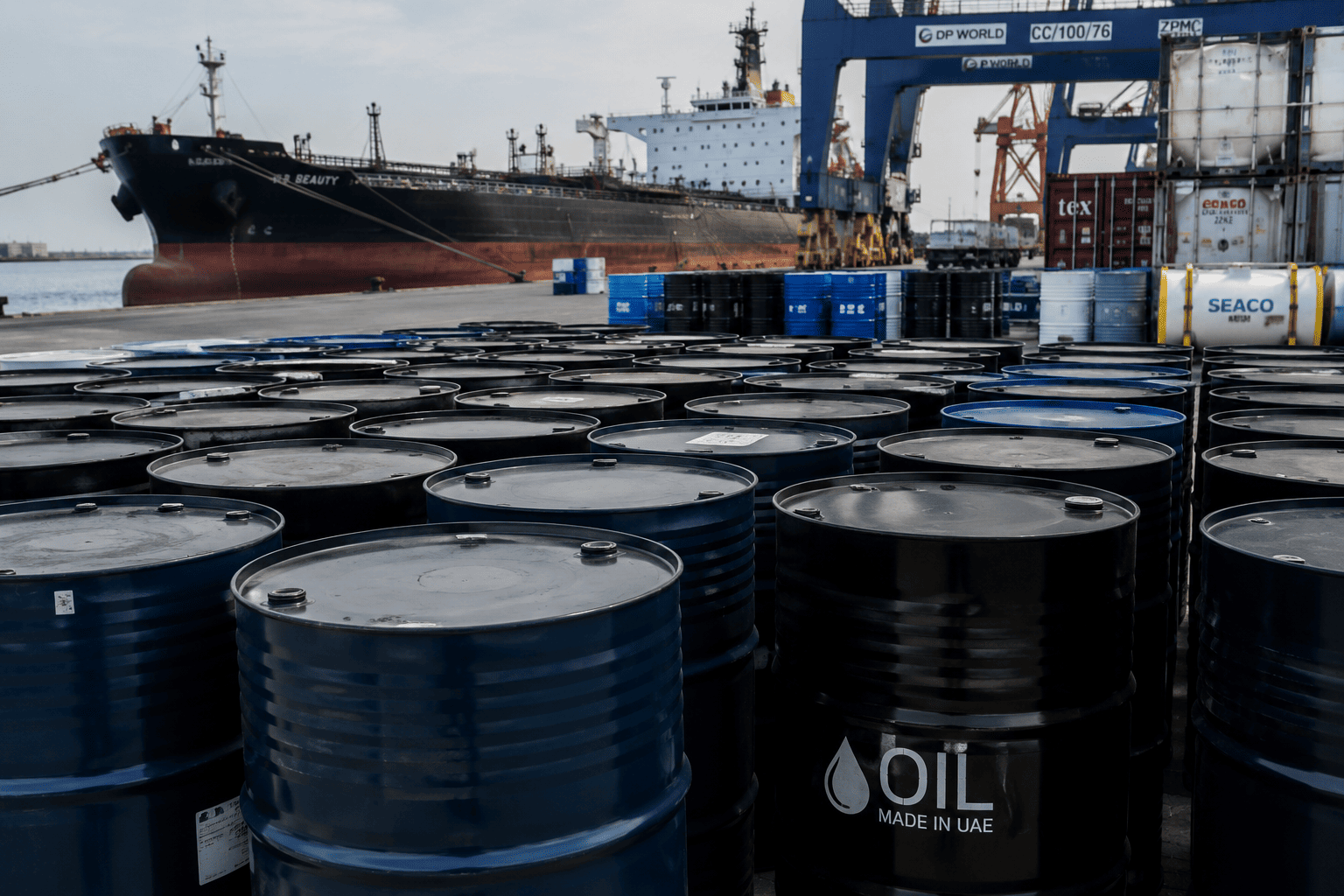
Geopolitical Risk Premium Unwinds
Morgan Stanley’s analysts noted that shipping lanes have cleared and insurance costs have stabilized, reducing the geopolitical risk premium that had been embedded in crude prices since early 2026. “Flows are returning faster than we thought, which reduces the geopolitical risk premium embedded in prices,” the bank stated in its report.
The downgrade aligns with similar moves by other major financial institutions, including Citi and UBS, which have also trimmed their oil price outlooks amid easing supply constraints. Goldman Sachs, however, has taken a slightly different stance, projecting that Persian Gulf exports could normalize by late July but warning that volatility may persist.
Market Reaction and Demand Dynamics
Oil prices declined sharply following the announcement of the Hormuz agreement earlier in June, with Brent slipping below $85 and WTI trading near $82. Traders interpreted the deal as a signal that the risk premiums that had inflated prices since February may begin to dissipate. At the time of writing, Brent crude on the Intercontinental Exchange stood at $73.15 a barrel, down 1.0% from the previous close.
Beyond supply, demand trends remain mixed. Chinese crude imports have been weaker than expected, while continued U.S. production growth adds further barrels to the market. “Demand growth remains tepid, and inventories are sufficient to absorb short-term shocks,” Morgan Stanley said. The bank expects oil prices to remain range-bound through the summer, with Brent fluctuating between $78 and $85 as traders assess progress on the Hormuz reopening.
Broader Implications for Energy Markets
The forecast cut underscores how quickly sentiment can shift in energy markets. Just weeks ago, traders were bracing for prolonged shortages and elevated risk premiums. Now, with flows returning faster than expected, the focus has shifted to demand weakness and the potential for oversupply. The reopening could have ripple effects across other commodities, including natural gas and refined products, while shipping rates may stabilize as insurers reassess risk exposure.
Analysts caution that any setback in implementing the agreement or renewed hostilities could quickly reverse recent price declines. For now, Wall Street’s consensus points to softer prices in the second half of 2026, with Morgan Stanley urging caution and Goldman Sachs highlighting the potential for volatility. Investors may also want to monitor related market movements, such as the recent rebound in Bloom Energy stock and the broader impact on Nasdaq futures as oil retreats.
This article is for informational purposes only and does not constitute financial advice.