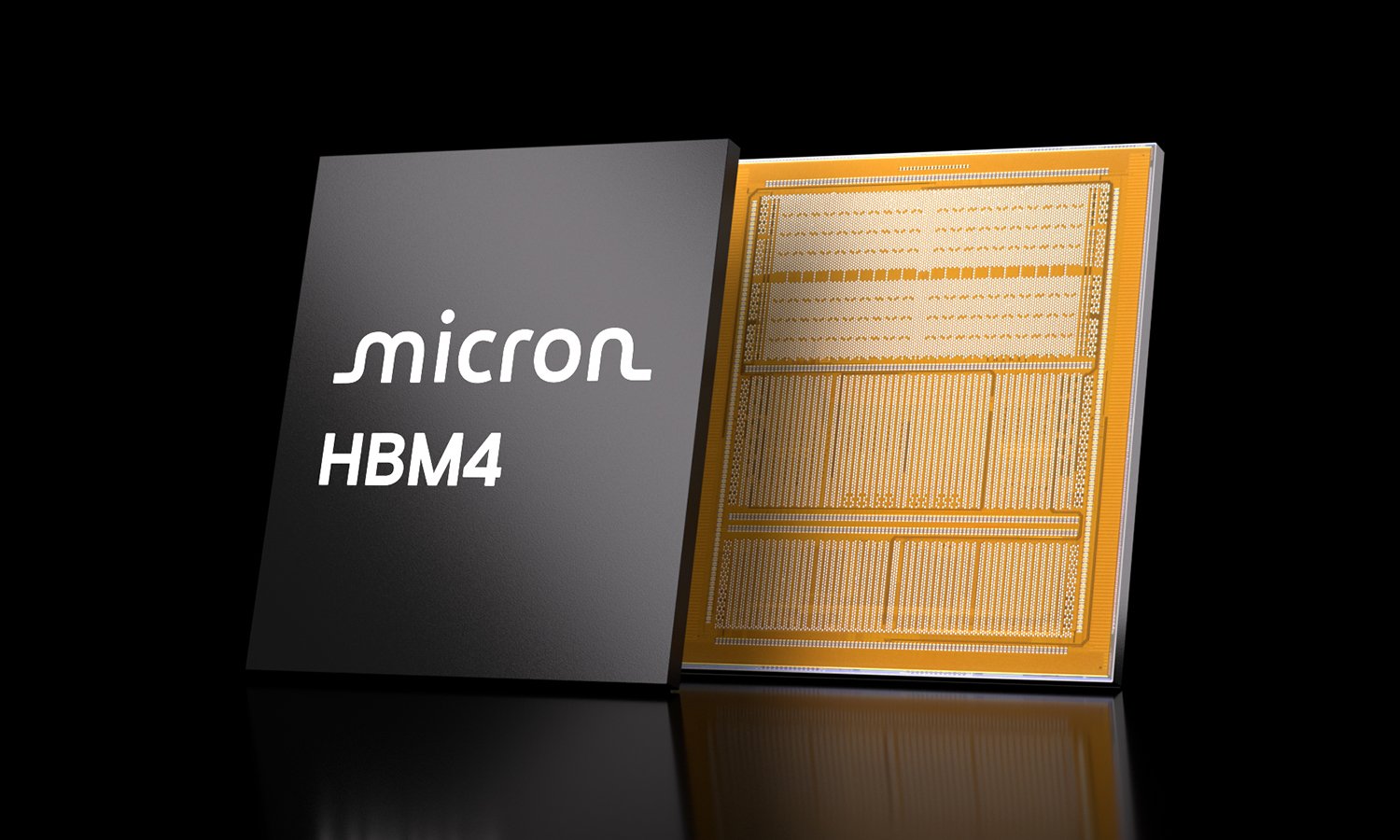
Micron Technology (NASDAQ: MU) shares declined approximately 2% in Wednesday trading, following a price target adjustment from Wells Fargo that contrasted with an upbeat revision from Citi. The divergent analyst actions underscore the ongoing debate over the sustainability of the memory-chip upcycle.
Wells Fargo analyst Aaron Rakers reduced the firm's price objective on Micron to $1,400 from $1,525, while reaffirming an 'Overweight' rating. In a research note, Rakers expressed continued optimism heading into the fiscal fourth quarter, citing potential upside to near-term results. However, he noted that the next phase of Micron's performance will likely hinge on investors gaining greater confidence in the duration of the current memory shortage. The analyst also pointed to the expansion of Strategic Customer Agreement (SCA) engagements and Micron's execution as key factors that could influence the company's trajectory.

In contrast, Citi analyst Atif Malik raised his price target on Micron to $1,300 from $1,150, maintaining a 'Buy' rating. Malik increased his estimates for Micron's August and November quarters, citing stronger-than-expected DRAM pricing and continued undersupply across both DRAM and NAND markets. He expects Micron stock to rally into SEMICON West, scheduled for October 13, where semiconductor equipment makers are likely to discuss the ongoing DRAM shortage. Citi also anticipates Micron will report upside to its fiscal fourth-quarter estimates, supported by tight supply conditions across its memory businesses.
“We model F4Q26 sales/EPS of $51B/$31.45, above consensus of $50.8B/$31.43 and F1Q27 sales/EPS of $57B/$35.25, above consensus of $56.7B/$35.15,” Malik wrote in a client note. The firm raised its near-term NAND and DRAM pricing assumptions for non-SCA contracted bits, forecasting blended DRAM average selling prices to rise 20% and 13% quarter-over-quarter in the fiscal fourth and first quarters, respectively. For NAND, it projects blended ASPs to increase 34% and 15% over the same periods.
Citi expects Micron's volume and bit growth to remain broadly in line with the industry in 2026. The firm also models fiscal 2027 capital expenditure of $50 billion, including shell spending in the low $20 billions and the remainder on equipment. Malik said DRAM and NAND markets are likely to remain “undersupplied” because of strong AI demand for the foreseeable future. However, he expects pricing growth to decelerate over the next four quarters and peak in the second quarter of 2027.
Meanwhile, investor Michael Burry, known for his role in “The Big Short,” added to his Micron short position on Tuesday. Burry said he increased his MU shorts “in some size,” citing comments from Acer CEO Jason Chen suggesting that Chinese memory-chip production could eventually ease supply constraints and pressure prices. “Interpreting this news, which is from a few days ago, before the big run up yesterday, is fraught,” Burry wrote. “Nevertheless, it aligns with what I believe to be true.”
Burry's bearish positioning extends beyond Micron. He also holds short positions in iShares Semiconductor (SOXX), Palantir (PLTR), Nebius (NBIS), Nvidia (NVDA) and other AI-related names.
The contrasting views leave Micron investors weighing expectations for continued tight memory supply and strong AI-driven demand against the possibility that additional production could eventually ease shortages and pressure pricing.
This article is for informational purposes only and does not constitute financial advice.

