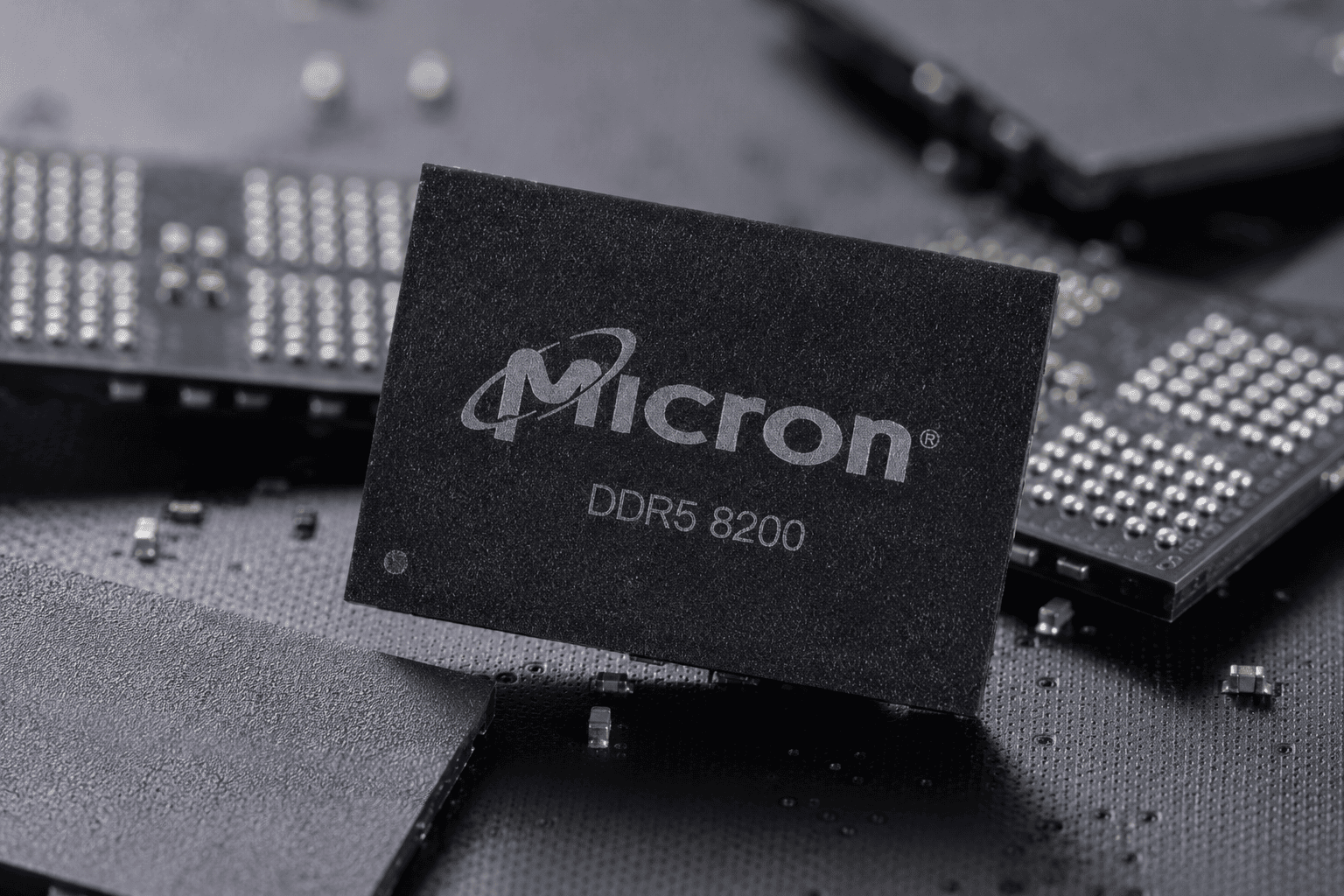
Micron Technology (NASDAQ:MU) has been one of the standout performers in the semiconductor sector this year, with shares climbing roughly 279% in 2026. As the company prepares to report its fiscal fourth-quarter earnings on September 30, Wall Street remains bullish, with price targets suggesting additional gains of around 44% from current levels.
On Thursday, Micron closed at $1,080.53. According to TipRanks, the average 12-month analyst target stands near $1,559, implying substantial upside. The optimism is not merely based on another strong quarterly performance; rather, it reflects a growing belief that the current memory upcycle could be more durable than historical cycles, thanks to sustained AI demand, tight DRAM supply, and longer-term customer agreements.

Analyst Targets: $1,500 to $1,600
Rosenblatt's Kevin Cassidy reiterated a Buy rating with a $1,500 price target, while TD Cowen's Krish Sankar maintains a Buy and a $1,600 target. Cassidy expects another "beat-and-raise" quarter, driven by a supply-demand imbalance that could persist through calendar 2027. He also notes that strategic customer agreements could account for up to 40% of Micron's bits produced over the next three to five years, providing greater visibility into future demand and pricing.
This shift toward more predictable revenue streams is a key differentiator. Historically, memory stocks have traded like cyclical commodities, with valuations constrained by the fear of an eventual downturn. However, the current environment, characterized by AI-driven demand and limited capacity expansion, may be changing that perception.
Potential Valuation Rerating
TD Cowen's Sankar sees scope for a "rerating" of Micron shares. At the time of his call, Micron traded at approximately 5.8 times forward earnings. Sankar argues that a multiple closer to nine times could be justified if investors gain confidence in the durability of the cycle. This would provide a second engine for the stock, independent of earnings growth acceleration.
If profits remain elevated for longer than expected, the market could assign a higher multiple to those earnings, driving the share price higher even as growth moderates.
Growth Moderation Doesn't Deter Bulls
Stifel's Brian Chin also maintains a Buy rating with a $1,500 target. He projects DRAM bit shipments to grow 15% to 20% in 2027, down from the high-20% range in 2026. However, he argues that constrained supply could keep prices and margins elevated, even with slower shipment growth. "We believe the durability of this memory upcycle continues to be under-appreciated," Chin said.
This perspective is crucial because memory stocks typically weaken when investors anticipate oversupply. This time, capacity limitations and AI demand could extend the profitable phase of the cycle.
Risks and the Earnings Test
The primary risk is that expectations are extremely high. Faster supply additions, weaker HBM demand, or falling memory prices could quickly challenge the $1,500-to-$1,600 targets. The September 30 earnings report will therefore test more than just quarterly numbers; it will test whether the market believes today's strong pricing and margins can persist.
Investors will be looking for evidence that the company's strategic agreements and AI-driven demand provide a more stable foundation than in previous cycles. If Micron can demonstrate that, the stock could indeed climb toward the higher analyst targets.
This article is for informational purposes only and does not constitute financial advice.

