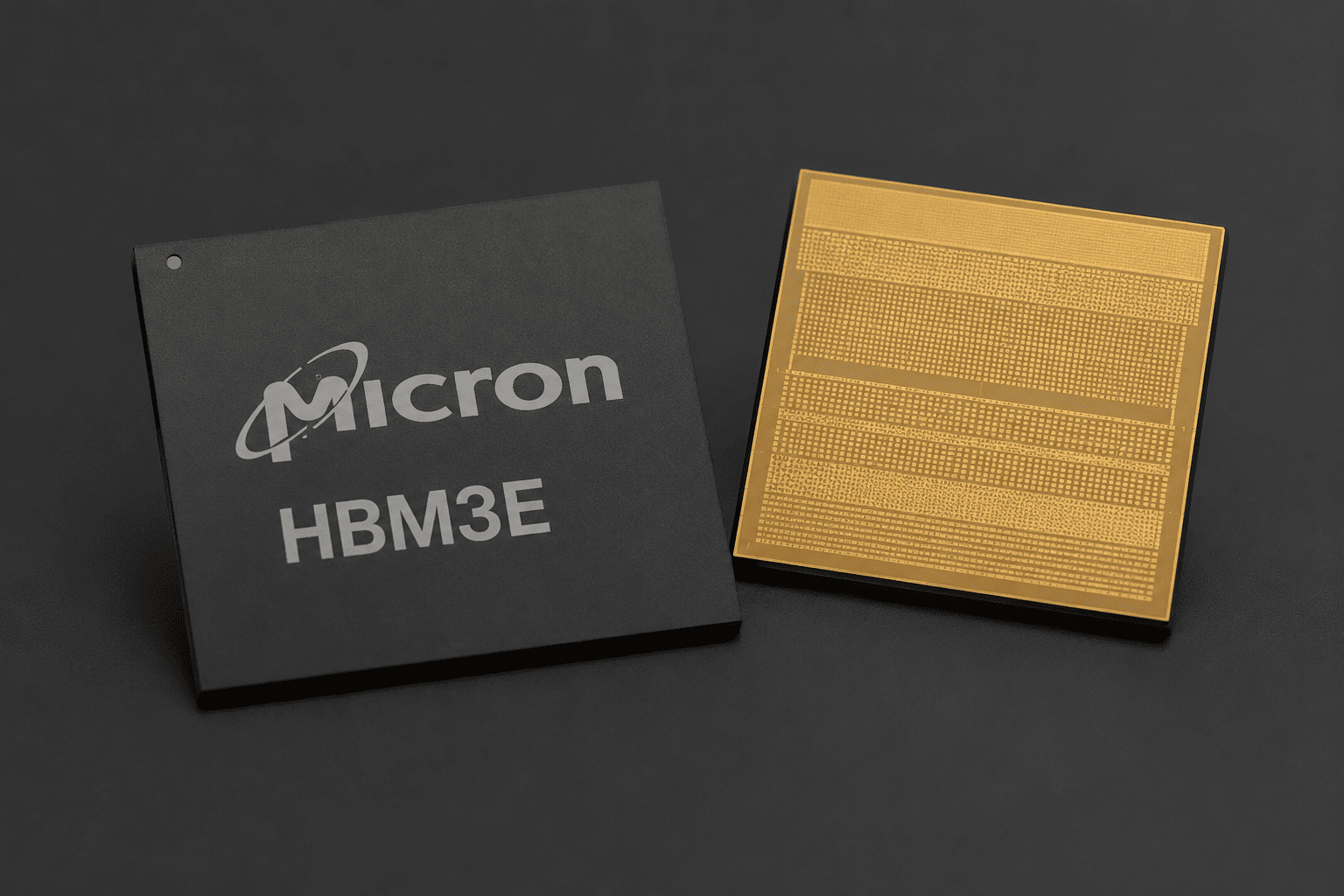
Micron Technology's (NASDAQ:MU) exceptional quarterly results have breathed new life into the artificial intelligence trade, sparking a worldwide surge in semiconductor stocks and temporarily alleviating concerns over lofty valuations and the massive capital expenditures required for AI infrastructure.
The company reported record quarterly revenue, gross margins, and earnings, while also revealing that customers have committed $22 billion to secure supplies of its high-bandwidth memory chips. This marks a significant shift in an industry historically characterized by boom-and-bust cycles, as AI customers move from simply buying more memory to locking in scarce supply through long-term agreements.

Micron shares jumped 16% in premarket trading following the announcement, which included 16 strategic multi-year customer agreements. Analysts view these commitments as a signal that AI demand is transitioning from a 'buy more' phase to a 'lock in supply' phase, potentially reducing near-term volatility in memory pricing for AI workloads.
The positive sentiment quickly spread across global markets. In South Korea, Samsung Electronics rose 5.3%, while SK Hynix surged over 13%, propelling the KOSPI index more than 5% higher. Japanese equities also benefited, with the Nikkei 225 climbing 4.6% to a record closing high of 72,366.34.
European semiconductor companies joined the rally after Micron indicated that tight chip supplies could extend beyond 2027. Dutch equipment maker ASML Holding gained 5.1%, ASM International rose 6.6%, and Germany's Infineon Technologies added 5.6%. Nasdaq futures rose more than 2% as investors rotated back into technology stocks.
Qualcomm added to the optimism, with shares climbing about 12% in premarket trading after the company raised its long-term data-center revenue target to $15 billion by 2029. CFO and COO Akash Palkhiwala also increased Qualcomm's fiscal 2029 revenue target for non-handset businesses to $40 billion from $22 billion, reinforcing confidence that AI-related demand is broadening across the technology ecosystem.
Despite Thursday's rebound, the Nasdaq remained on track for its largest monthly decline since March 2025, while the Philadelphia Semiconductor Index was headed for its worst week since the Middle East conflict escalated earlier this year. Investors are now turning their attention to the Personal Consumption Expenditures Price Index, the Federal Reserve's preferred inflation measure, as markets remain unsettled by expectations of potential rate hikes following hotter-than-expected inflation data.
For context on the broader market environment, see our analysis of the S&P 500's recent performance amid earnings, CPI, and AI jitters. Additionally, the divergence between AI-driven stock rallies and the broader economy is explored in Moody's explanation of the AI rally's disconnect from the sluggish US economy.
This article is for informational purposes only and does not constitute financial advice.