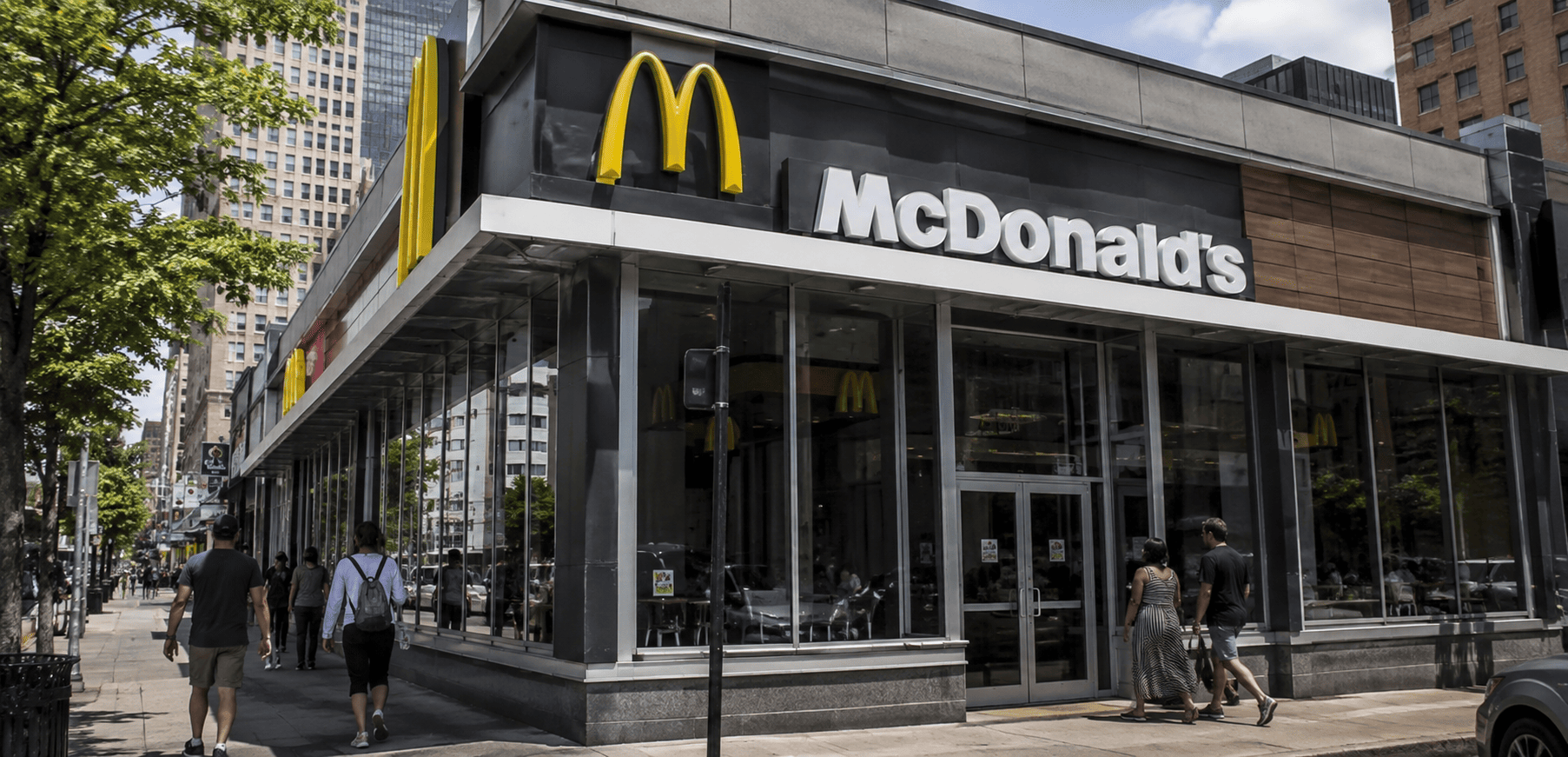
McDonald's (MCD) shares tumbled to a new 52-week low on Wednesday, as the company's long-awaited Investor Day presentation left investors grappling with a mix of cautious forward-looking guidance, substantial capital commitments, and a slower-than-expected path to recovery in U.S. dining traffic.
The stock, which has already been a laggard in 2026, is now down roughly 30% from its year-to-date high set in late February. The latest slide reflects growing concerns that the fast-food giant's near-term growth prospects are more muted than previously anticipated.

Traffic recovery warning weighs on shares
During the Investor Day, management cautioned that the recovery in U.S. dining foot-traffic may take longer than originally expected. Persistent inflation and a strained low-income consumer base continue to suppress store visits, a trend that has been evident in recent quarterly results.
McDonald's reported a modest 0.8% increase in U.S. same-store sales for the second quarter, and Wednesday's market reaction suggests investors are bracing for a prolonged period of sluggish traffic. The stock now sits firmly below its major moving averages, with the relative strength index (RSI) in the mid-20s, indicating intense selling pressure that could drive further downside in the near term.
Franchisee support and tech investments raise margin concerns
McDonald's outlined an $8.5 billion capital and financial support program designed to assist franchisees with remodeling costs, value-menu subsidization, and the expansion of digital and beverage infrastructure as part of its "McDonald's NEXT" strategy through 2030. While the initiative aims to enhance long-term unit economics, investors are weighing the immediate margin pressure and capital intensity required.
The company plans to increase annual capital spending by $1.5 to $2 billion through the end of the decade, alongside rent relief provisions. These commitments are expected to constrain free cash flow and delay share buyback capacity over the medium term, adding to investor unease.
Expansion timeline pushed back
In a notable shift, McDonald's formally extended its target to reach 50,000 global restaurants from 2027 to 2028. Management cited persistent development cost inflation and local permitting delays as the primary reasons for the slower expansion pace. This delay raises concerns about near-term unit growth compounding and implies higher cumulative capital expenditure per location to achieve the long-term footprint goals.
Analysts trim price targets
Adding to the pressure, major Wall Street firms including UBS and RBC lowered their price targets on McDonald's shares on Wednesday. Analysts cited execution concerns around the $1 cheeseburger and value menu reset, as well as muted broader sector traffic. The consumer discretionary sector is also facing headwinds from higher long-term bond yields, with the 10-year Treasury yield hitting a fresh 19-year high of 5.093% today, and rising input costs.
McDonald's has a history of closing September in the red, a seasonal pattern that is further eroding its near-term appeal.
Consensus rating and outlook
Heading into the Investor Day, Wall Street had a consensus Moderate Buy rating on McDonald's, with a mean price target of about $313. However, it is reasonable to expect downward revisions, like those from UBS and RBC, as more firms incorporate the Investor Day updates into their estimates in the coming weeks.
This article is for informational purposes only and does not constitute financial advice.

