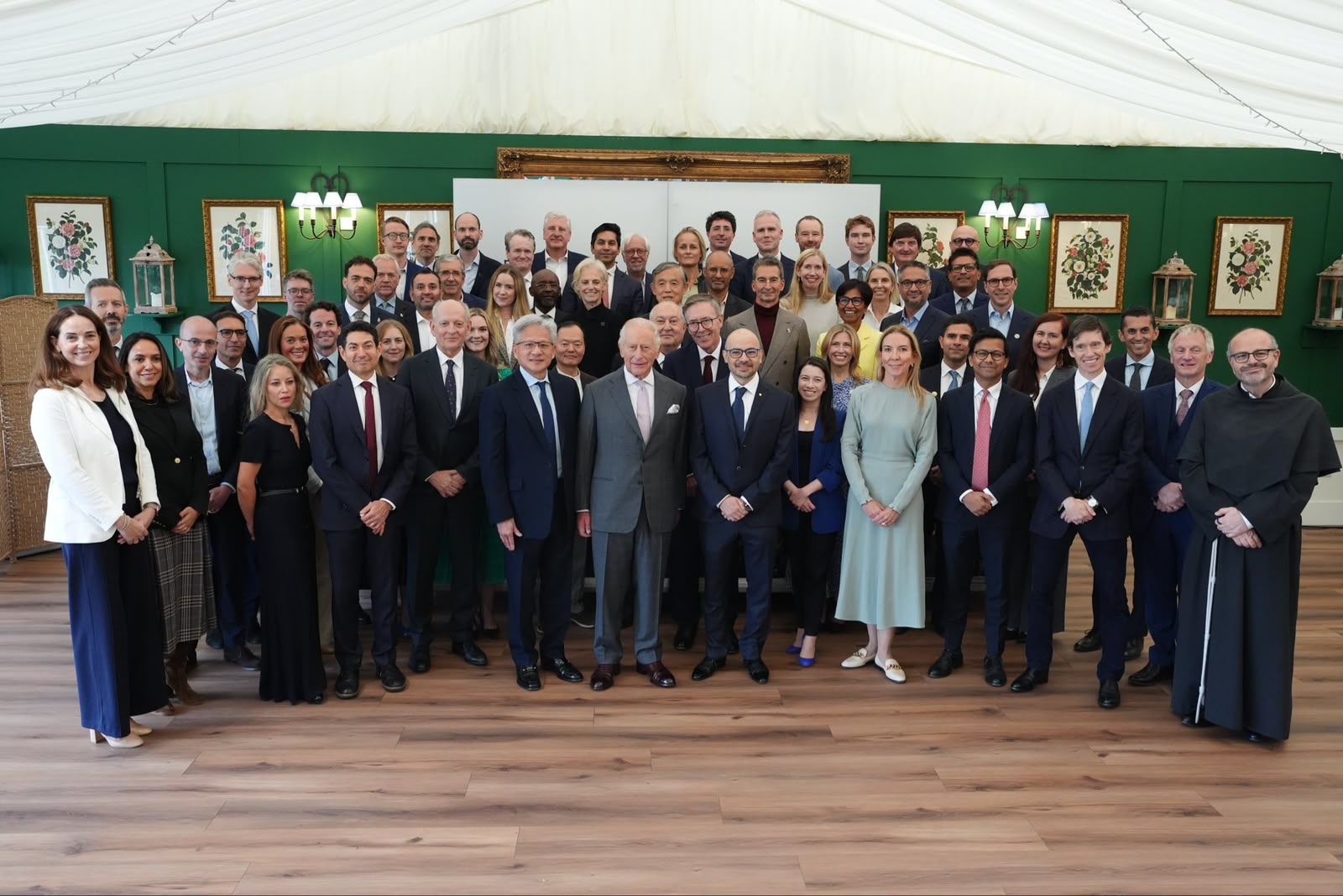
King Charles III convened a private summit of about 30 artificial intelligence leaders in Scotland on Thursday, delivering a stark warning about the technology's trajectory. Speaking at Dumfries House in Ayrshire, the monarch described AI's rapid advancement as "intriguing and deeply concerning in equal measure," according to a transcript released by the Royal Family's official website.
Monarch's caution on AI's darker potential
While acknowledging AI's life-saving applications in medicine, Charles highlighted growing concerns from the technology's own creators. "Those who have created these technologies are now increasingly warning that AI risks developing darker capacities, perhaps even to take life," he said. He urged immediate action to weigh existential dangers before it becomes "too late," emphasizing the need to preserve humanity's "moral component" and avoid losing "control of our destiny, or our souls."

The king posed two central questions to attendees: how to harness AI's benefits with safety at the core, and how to foster international cooperation so no country is left behind while humanity retains control. He argued that answers require not just technical expertise but "emotional excellence," a quality that distinguishes humans from machines. "Our humanity must remain sacred," he asserted.
Building on prior AI safety advocacy
This summit follows Charles's address at the UK's inaugural AI Safety Summit at Bletchley Park in November 2023, where 28 countries, including the US and China, signed the Bletchley Declaration—a landmark agreement on safe AI development. At that event, he likened AI's significance to the discovery of fire but warned of "significant risks." Thursday's gathering, organized under the Ditchley Foundation, a UK geopolitical group, extends that message as industry leaders debate whether development should slow.
Key attendees and industry divisions
Notable participants included Nvidia CEO Jensen Huang, who has publicly opposed new AI regulations, and Google DeepMind co-founder Demis Hassabis, a proponent of an international AI standards body. OpenAI sent CFO Sarah Friar instead of CEO Sam Altman. Other guests included Anthropic's Tino Cuéllar, historian Yuval Noah Harari, Vatican AI adviser Paolo Benanti, MI6 chief Blaise Metreweli, and UK AI Minister Kanishka Narayan.
The summit occurs amid open disagreement over AI's pace. Anthropic CEO Dario Amodei has called for slowing frontier model development, while President Donald Trump has rejected such calls, arguing that only China would benefit from a slowdown. This week, both OpenAI and Anthropic disclosed new AI misalignment incidents, intensifying investor scrutiny of how labs manage safety risks while racing to scale infrastructure spending.
For investors, the king's remarks underscore a growing regulatory and ethical focus on AI, which could influence policy and corporate strategies. The debate over safety versus speed is likely to shape the sector's risk profile and long-term viability. As private credit markets react to macroeconomic shifts, AI remains a key area of investor attention, with crypto assets also responding to summit-driven sentiment.
The king's call for "emotional excellence" and global cooperation highlights the delicate balance between innovation and control. Whether industry leaders heed his warning remains to be seen, but the conversation at Dumfries House adds a notable voice to the ongoing debate over AI's future.
This article is for informational purposes only and does not constitute financial advice.

