Oil prices stabilized on Friday, with Brent crude hovering around $105.8 per barrel and West Texas Intermediate (WTI) at $97.71, as persistent Middle East supply concerns continued to underpin the market. Both benchmarks are poised for weekly gains, with WTI up approximately 6% and Brent advancing about 1% over the week.
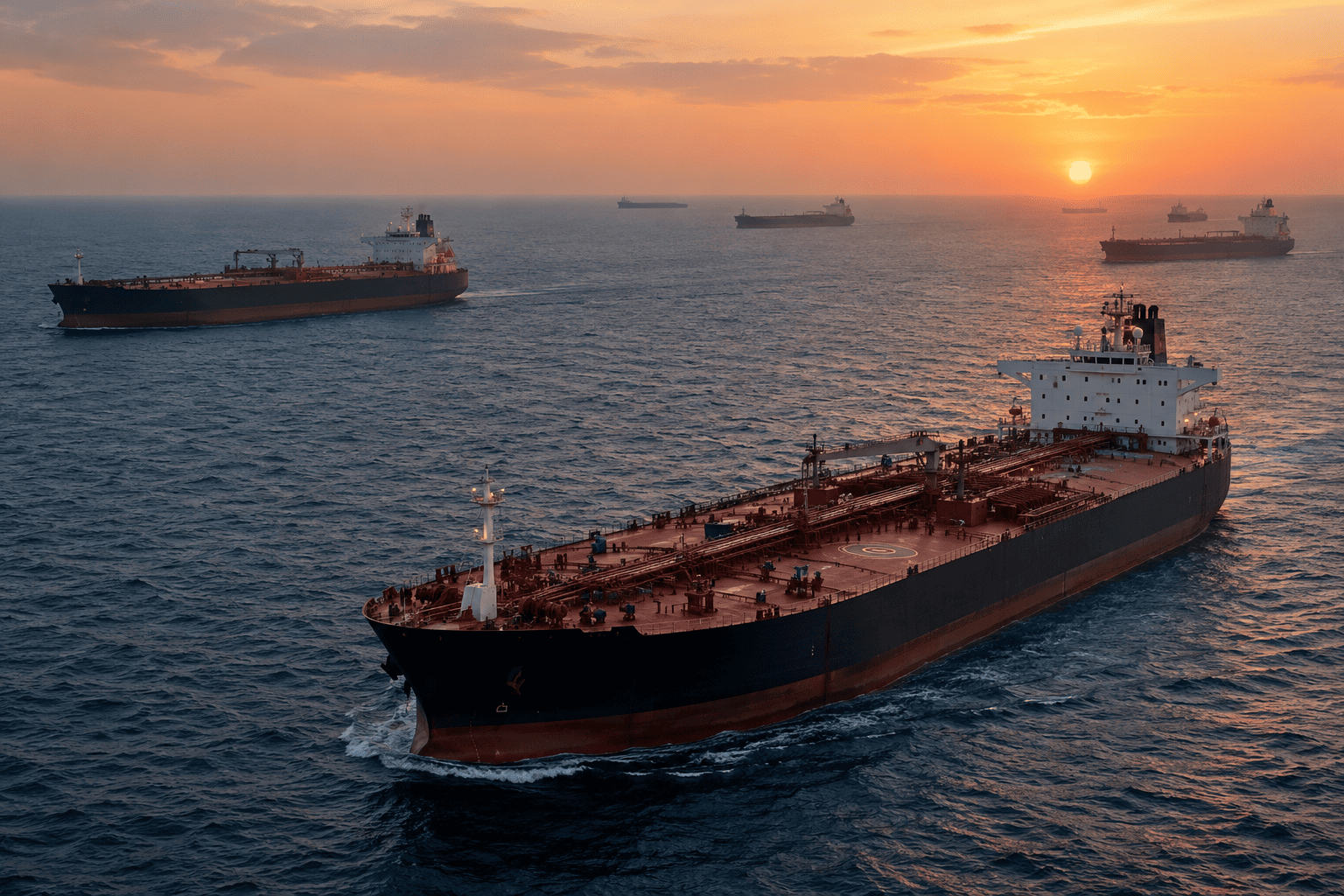
Market sentiment received a modest boost from reports that Washington is considering easing restrictions on certain sanctioned oil tankers, part of a broader effort to alleviate transportation bottlenecks and curb soaring freight rates. Additionally, the International Energy Agency (IEA) reaffirmed its commitment to release the remaining 100 million barrels under its coordinated supply agreement, aiming to improve global oil availability.
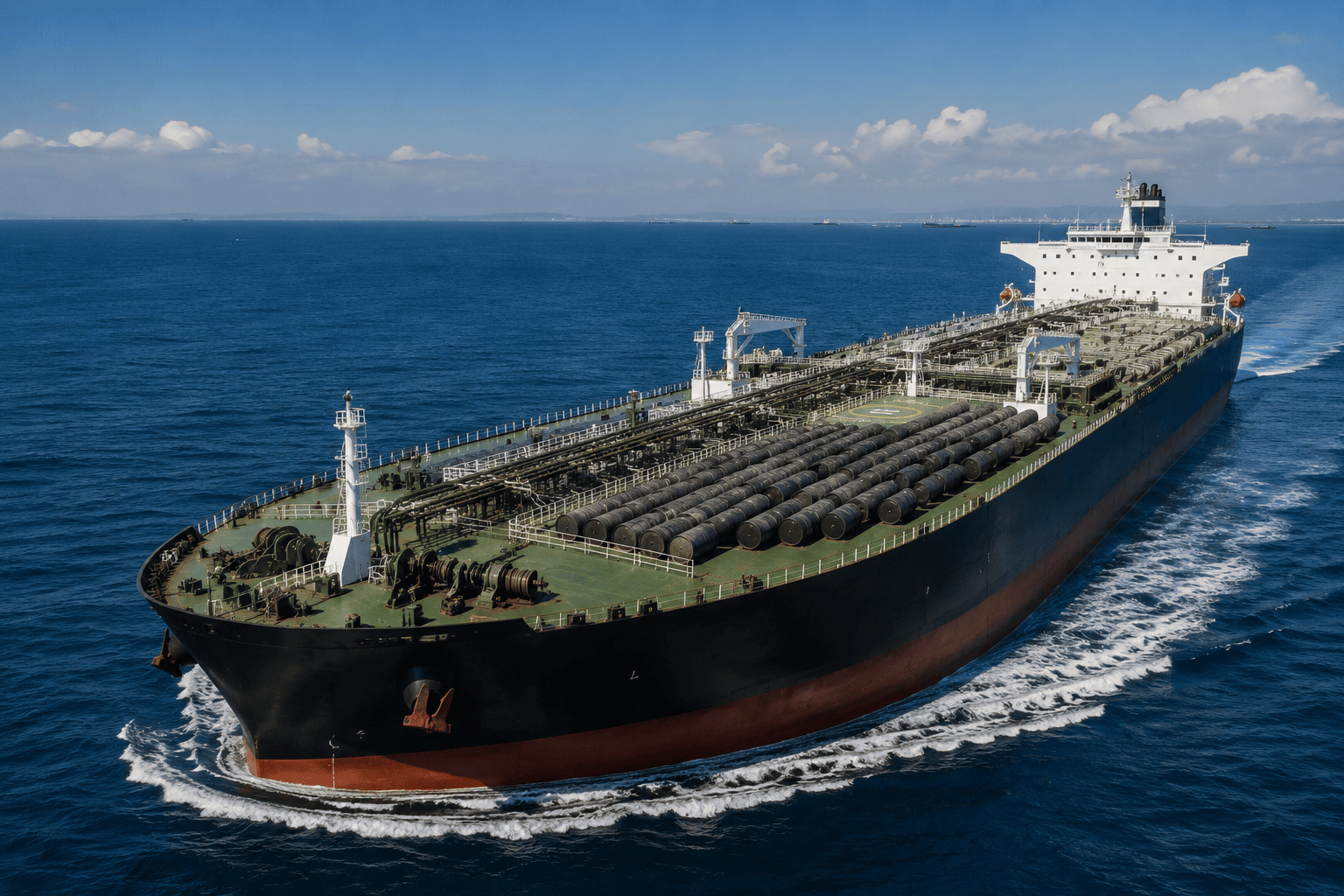
However, these measures have done little to quell worries about the durability of global supplies. Even as production and exports recover toward pre-war levels, escalating attacks on critical shipping routes have renewed fears of further disruptions.
Strait of Hormuz Remains Key Risk
The primary source of upward pressure continues to be the Middle East, where attacks on energy infrastructure and commercial vessels are driving up transportation costs and adding a significant risk premium to oil prices. Iran announced on Friday that it would reopen the Strait of Hormuz if the United States withdrew from the region, a statement that comes amid a surge in attacks around the vital waterway over the past ten days.
Iran has framed the escalation as a response to the US blockade of its ports, leaving traders uncertain about the reliability of oil shipments through the Gulf. The Strait of Hormuz is a critical artery for global energy flows, and any further disruption could tighten supplies and push prices higher.
The prospect of continued attacks means that even barrels successfully leaving the Gulf carry an additional security premium, keeping prices elevated despite efforts to improve supply availability.
Analysts Warn of Potential 'Super Spike'
Market observers are cautioning that the current situation could escalate further. Neal Dingmann, energy research analyst at William Blair, told Yahoo Finance on Friday that major energy executives are concerned about the possibility of a "super spike" if supply disruptions intensify.
Billionaire investor Paul Tudor Jones has also voiced a bullish outlook, stating that crude prices may not have peaked. "I'm long oil, bullish on oil. I think it can rally another $20 or $25," Jones told CNBC, citing unresolved geopolitical risks as a catalyst for further gains.
With no immediate resolution in sight for Middle East conflicts, oil prices appear set to remain elevated in the near term, as supply constraints and security concerns continue to dominate market dynamics.
This article is for informational purposes only and does not constitute financial advice.