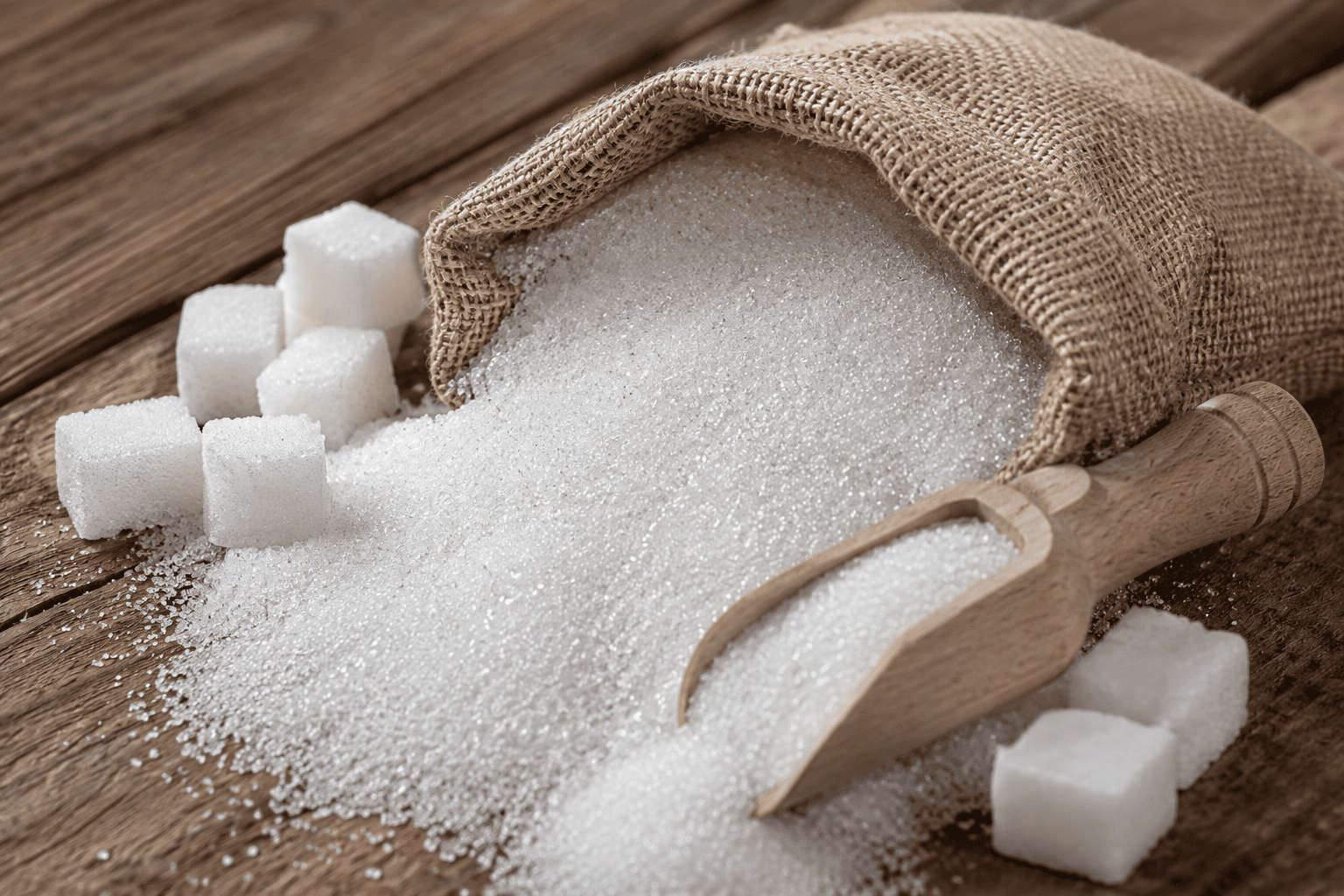
India has opened its doors to sugar imports for the first time in nearly a decade, a move that underscores mounting supply concerns in the world's second-largest producer. The government will permit duty-free imports of 1 million metric tons of raw sugar until October 31, according to a Commerce Ministry notice issued Thursday. Normally, sugar imports attract a 100% duty, making this a significant policy shift.
The decision comes as domestic sugar prices have climbed sharply, with retail prices in major cities rising by nearly 40% over two months. In the past fortnight alone, prices have jumped by about Rs 20 per kilogram, averaging around Rs 70 per kg. The timing is critical, as sugar consumption typically peaks during India's festive season, when households and businesses stock up on traditional sweets and confectionery.
To further cool the market, the government has imposed stockholding limits on bulk consumers from September 1 to November 30, reducing permitted inventory to 15 days. This measure aims to discourage hoarding and prevent artificial tightening of supplies.
Industry downplays shortage, cites speculation
Despite the price surge, the Indian Sugar Mills Association (ISMA) insists the country is not facing a structural shortage. Niraj Shirgaokar, ISMA president, said production and stock positions remain fundamentally comfortable. He estimated net sugar production for 2025-26 at around 279 lakh tons, with closing stocks of roughly 35 lakh tons—a healthy buffer after accounting for ethanol diversion.
Shirgaokar attributed the recent price jump primarily to speculative buying rather than actual scarcity. "The largest contributor has been speculative behavior," he said, noting that bulk buyers have been stocking up one to two months in advance, pulling sugar out of circulation and creating artificial tightness. This dynamic can amplify price increases even when aggregate supplies are adequate.
Production shortfalls and festive demand
Lower domestic production is a key factor behind the price rise. Initial estimates were revised down to around 309 lakh tons due to weather-related issues, lower cane yields, and reduced sugar recovery. Maharashtra, the largest producing state, has seen higher crush rates, while Uttar Pradesh has faced red rot and varietal problems.
At the same time, demand is rising as traders and consumers prepare for the festive season. The combination of reduced output and increased demand has put upward pressure on prices, even if the overall supply picture remains manageable.
Global market implications
India's import decision is already reverberating in global sugar markets. ICE No. 11 sugar futures have climbed, as the duty-free import window adds demand to an already tightening global market. Analysts have forecast widening deficits for the 2026-27 season, with Brazil's production down and ethanol incentive risks adding to supply concerns.
For investors, the situation presents both opportunities and risks. Indian sugar stocks, such as Bajaj Hindusthan and Shree Renuka Sugars, could benefit from higher realizations, though the government's efforts to cap prices may limit upside. On the global front, sugar futures may see further gains if deficit forecasts hold, but a rebound in production from other regions could reverse the trend.
The effectiveness of India's import and stock limits will be closely watched. If imports arrive quickly and stock limits curb speculation, domestic prices could stabilize. However, if global supply remains tight, the import window may only provide temporary relief.
As the festive season approaches, market participants will be monitoring both domestic policy actions and global supply dynamics. The interplay between India's import needs and worldwide deficit projections will likely shape sugar price trends in the coming months.
This article is for informational purposes only and does not constitute financial advice.