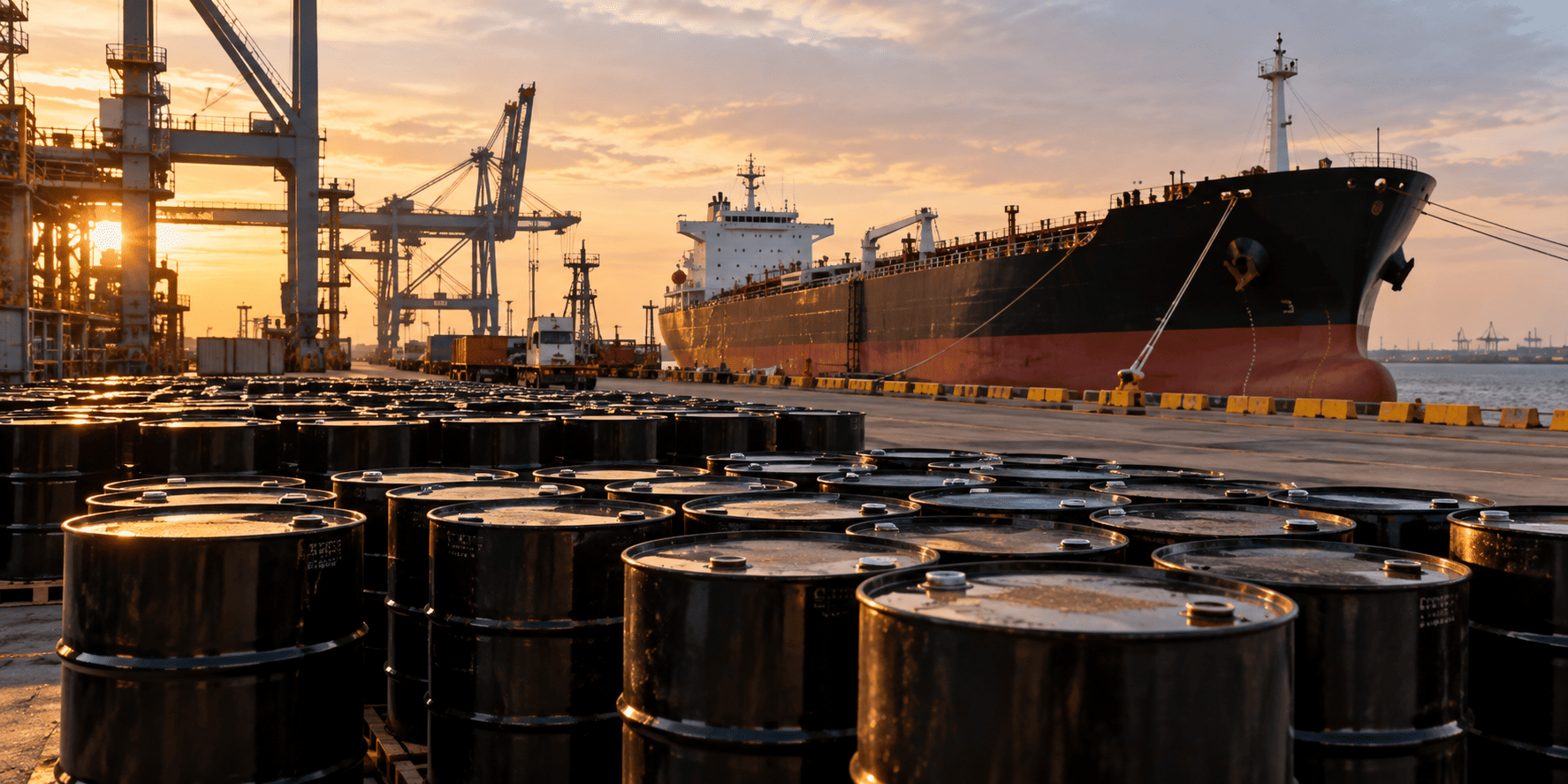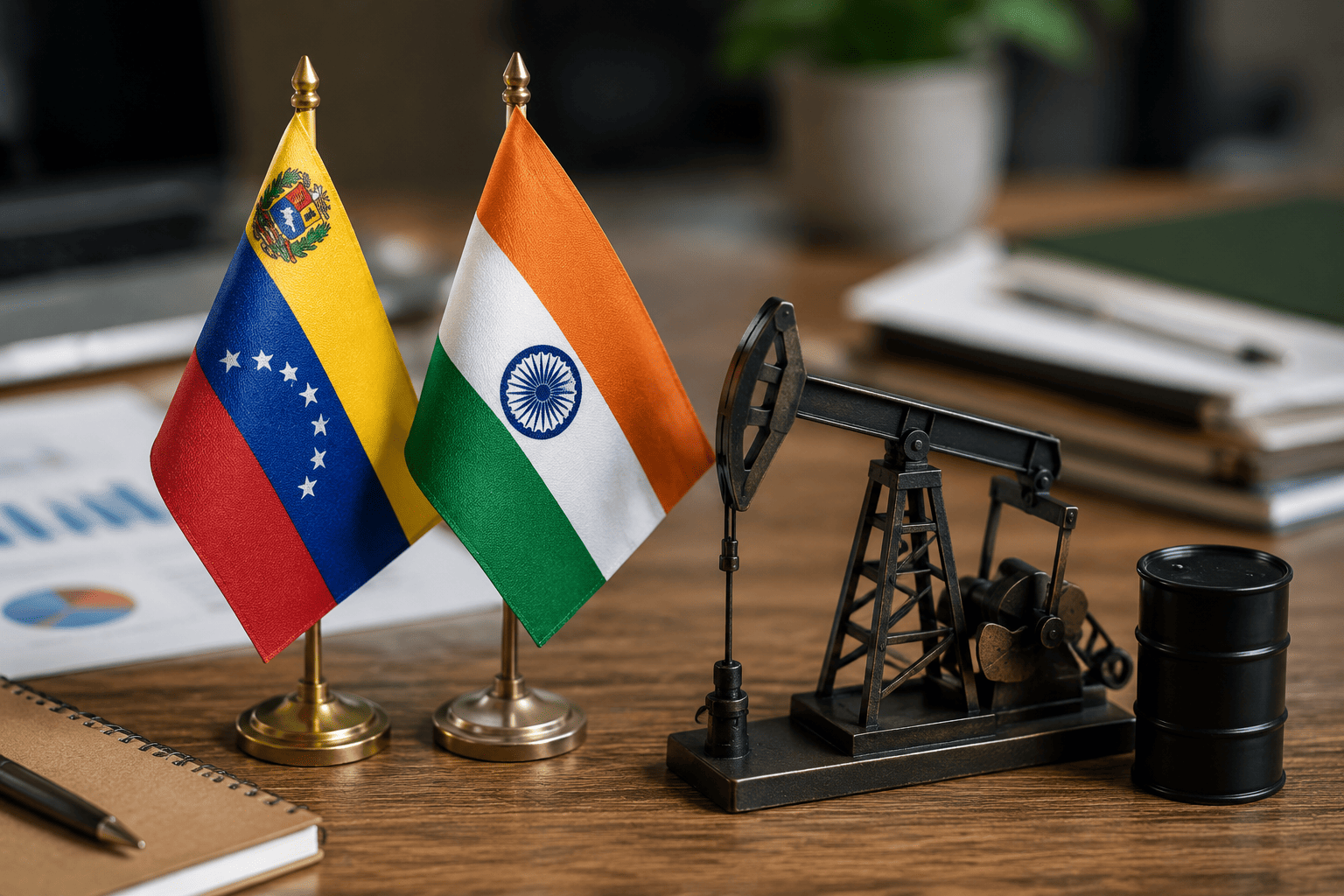
India is rapidly strengthening its energy partnership with Venezuela, positioning the South American nation as a critical alternative supplier amid ongoing disruptions in Middle Eastern oil flows. New Delhi has described the relationship as one of “perfect complementarity,” with both sides exploring deeper collaboration in upstream and downstream projects.
Strategic Diversification Push
Venezuelan interim President Delcy Rodríguez visited India this week, meeting with Prime Minister Narendra Modi to discuss expanding energy ties. Rudrendra Tandon, Secretary (East) in India’s Ministry of External Affairs, emphasized the mutual interest in a media briefing, stating, “We are working with a government that is friendly, that wants a partnership with India. We want to reciprocate that. Venezuela has traditionally been a close friend.”
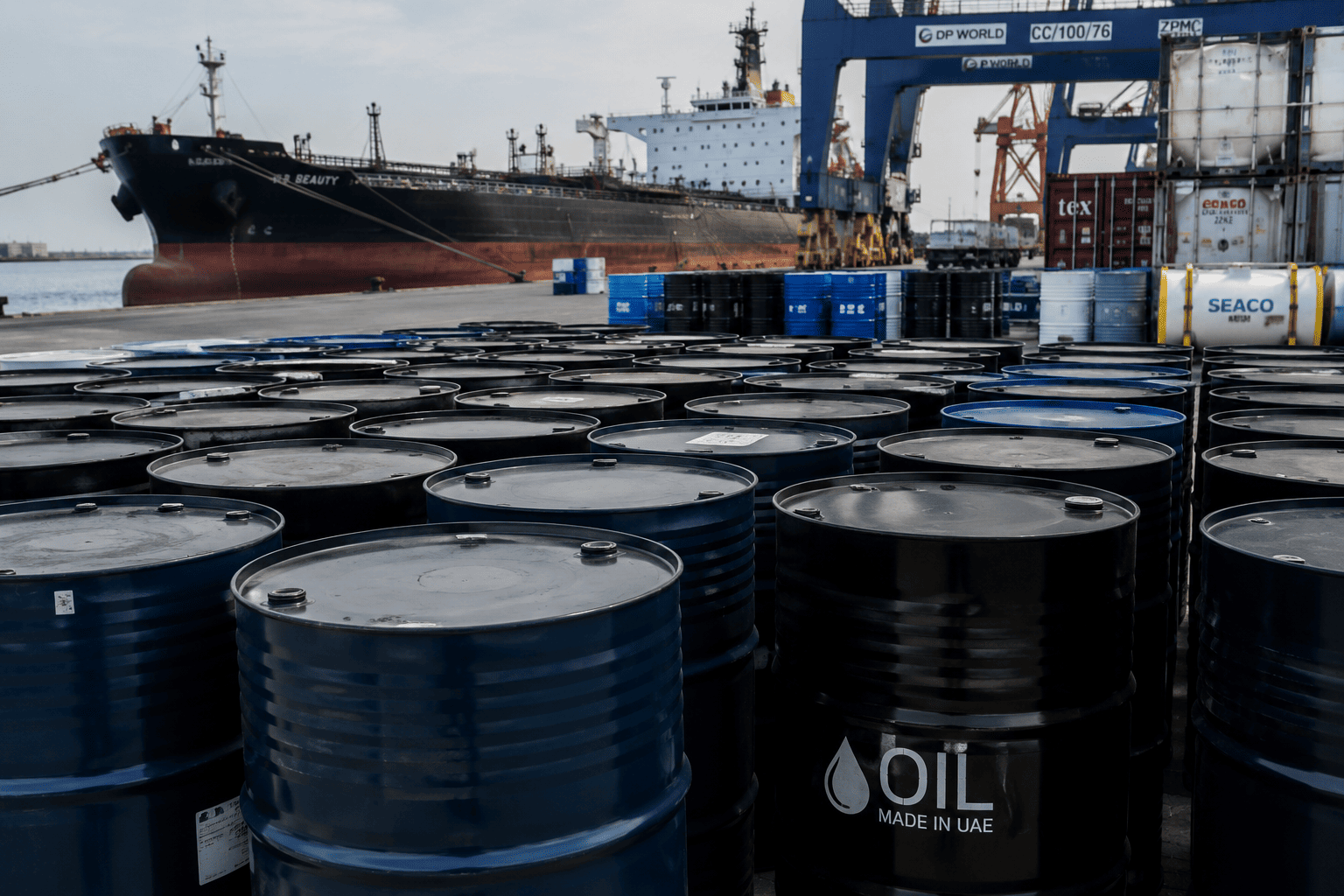
The visit, which includes tours of Indian oil refineries and meetings with energy leaders in Mumbai, comes as India—the world’s third-largest oil importer—faces severe supply constraints from the Gulf region due to the closure of the Strait of Hormuz. This crisis has accelerated India’s broader strategy to diversify crude sources away from the volatile Middle East, turning to Latin American and African suppliers to maintain energy security.
Venezuela Emerges as Key Alternative Supplier
India has rapidly scaled up imports of Venezuelan crude. In May, it became the second-largest buyer after the United States, importing approximately 427,000 barrels per day. Reliance Industries has emerged as one of the top purchasers. Venezuela is now on track to become India’s fourth-largest oil supplier for the month, a significant turnaround after India halted Venezuelan oil imports last year due to US sanctions. Purchases resumed after sanctions were eased earlier in 2026.
Energy remains the cornerstone of India-Venezuela ties, with New Delhi viewing Caracas as a reliable alternative supplier during the current global supply uncertainty. The surge in imports reflects India’s immediate need to secure crude, but both sides are also eyeing a more structured, long-term relationship.
Long-Term Partnership Ambitions
Indian officials emphasized that talks covered broader collaboration beyond spot purchases, including potential investments in Venezuelan upstream projects and joint downstream initiatives. Rodríguez’s delegation includes several ministers focused on deepening these ties during her stay until June 7.
Analysts see clear mutual benefits. Venezuela possesses some of the world’s largest proven oil reserves but has struggled with production and infrastructure challenges. India offers a massive, growing market and refining capacity ideally suited for heavy Venezuelan crude. The partnership could include technology sharing, investments, and stable trade mechanisms.
India’s diversification push is also reflected in other sectors. For instance, the India's $1B Fuel Fund Shields Airlines as Jet Spreads Seen Tightening in Q3 highlights efforts to stabilize fuel costs amid global volatility. Meanwhile, the IMF Opens Door to Venezuela Financial Program Pending Data and Reform Milestones could provide a framework for Caracas to address its economic challenges, potentially supporting long-term energy cooperation.
Geopolitical Context and Challenges
The push for stronger India-Venezuela energy ties reflects New Delhi’s broader strategy to diversify crude sources away from the volatile Middle East. The ongoing Iran-related conflict has forced India to turn to Latin American and African suppliers to maintain energy security.
Despite the optimism, hurdles persist. Venezuelan production capacity remains constrained, and US oversight of oil sale proceeds under the current framework adds a layer of complexity. Price volatility, logistics, and payment mechanisms will need careful management for the partnership to scale sustainably.
Nevertheless, the current crisis has created a window of opportunity. India’s refiners have demonstrated a strong appetite for Venezuelan grades, and Caracas sees India as a dependable, high-volume buyer less susceptible to Western political swings. As Rodríguez’s visit concluded, both nations signaled their intent to move beyond transactional oil trade toward a more strategic energy alliance.
For India, this diversification effort is crucial not just for immediate supply security but also for long-term energy resilience in an increasingly unstable global landscape. The outcome of these high-level discussions could shape India’s energy import strategy for years to come, especially if tensions in the Gulf persist.
This article is for informational purposes only and does not constitute financial advice.