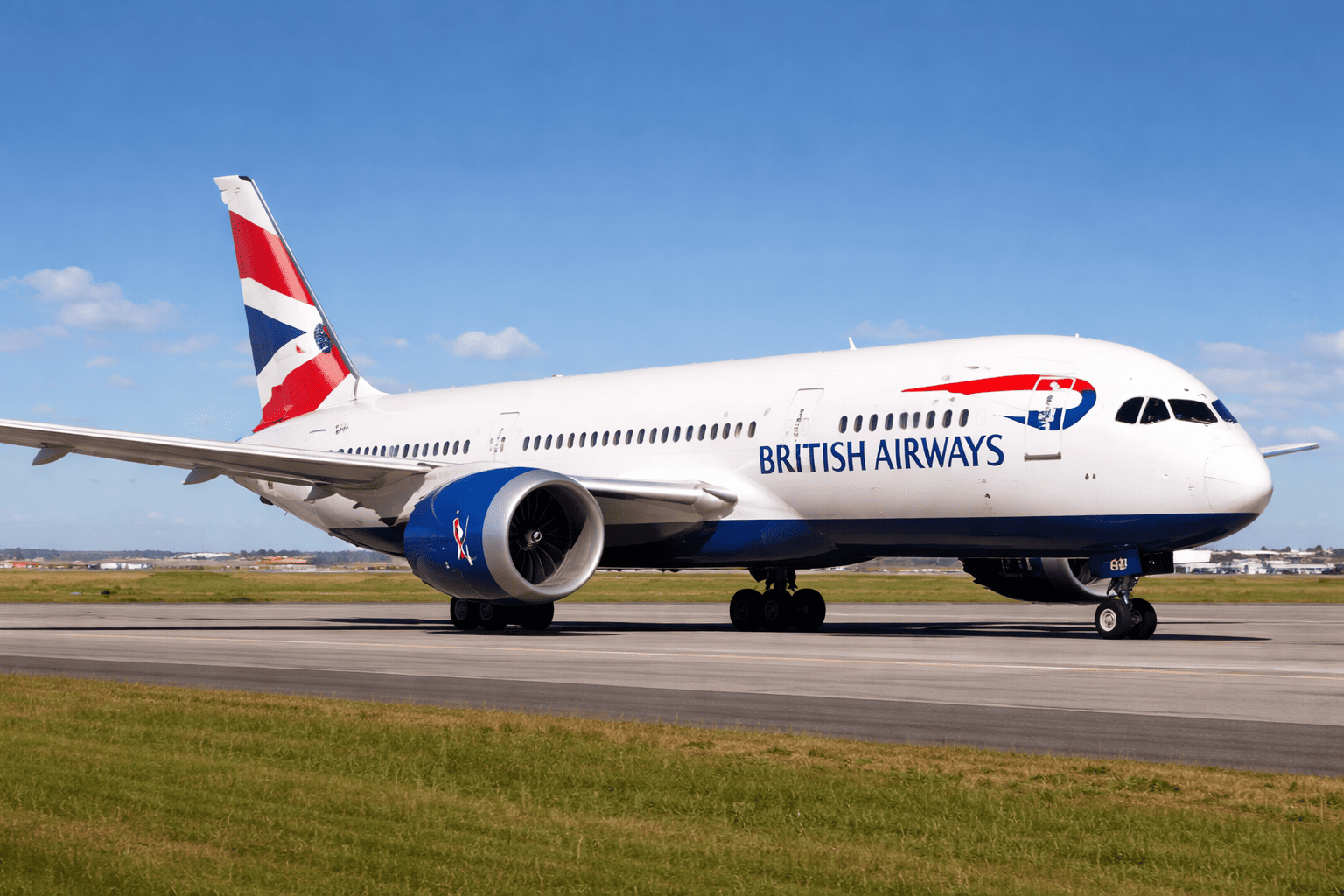
International Consolidated Airlines Group (IAG), the parent company of British Airways and Aer Lingus, saw its shares decline by 2.6% on Thursday, as a sharp rise in crude oil prices reignited concerns over jet fuel expenses. The stock slipped to 420p, its lowest level since September 18, and now sits about 15% below its yearly high.
Oil Price Surge Pressures Airlines
Brent crude, the global benchmark, climbed to $104.10 per barrel, its highest level since late September, while West Texas Intermediate (WTI) crossed the key $90 resistance level. The rally is driven by escalating tensions in the Middle East, with recent attacks on shipping vessels in the region heightening supply disruption fears. According to the UK Maritime Trade Operations (UKMTO), there have been casualties in the latest incident near Qatar.

Higher oil prices translate directly into increased costs for airlines, as jet fuel represents a significant portion of operating expenses. IATA data shows the average jet fuel price currently stands at $187 per barrel, up over 1% from a month ago and a staggering 108% higher than the same period last year.
IAG's Hedging Strategy Offers Some Protection
Unlike some American peers such as Delta Air Lines and Southwest Airlines, IAG employs a layered, rolling hedging program that progressively covers fuel costs over a multi-year horizon. The company uses swaps and options on both Brent and jet fuel, maintaining a high hedge ratio for the near term and gradually reducing it further out. This strategy helps mitigate the immediate impact of oil price spikes.
In its latest earnings report, IAG posted revenue of €16.06 billion, a modest increase from €15.9 billion in the prior year. However, profit after tax declined to €1.03 billion from €1.3 billion, reflecting the challenging cost environment.
Upcoming Earnings to Provide Clarity
The next major catalyst for IAG shares will be the earnings reports from its American counterparts, including Delta Air Lines, United Airlines, and American Airlines. These results will offer insights into the broader aviation industry's health and pricing power. IAG itself is scheduled to release its next set of numbers on November 6.
Technical Analysis Points to Further Weakness
From a technical perspective, IAG's stock has fallen from a June high of 493p to the current 421p. It has broken below the 38.2% Fibonacci retracement level and a descending trendline that has been in place since late July. The shares are also trading below the 50-day moving average and the Major S/R pivot point on the Murrey Math Lines tool.
Currently, the stock is hovering just above a key support level at 417p, which marked the low in July and August. If this level fails to hold, the next major support is seen at 406p, followed by the Ultimate Support at 375p. The technical setup suggests that further downside is possible in the coming sessions.
This article is for informational purposes only and does not constitute financial advice.

