The Hang Seng Index (HSI) extended its selloff this week, sliding to its lowest level since June 2025 and forming a bearish death cross pattern. The index has now dropped for eight straight sessions and is down nearly 20% from its 2025 peak, diverging sharply from other Asian benchmarks such as the Nikkei 225 and Kospi, which have hit record highs.
Alibaba Under Fire Over AI Distillation Allegations
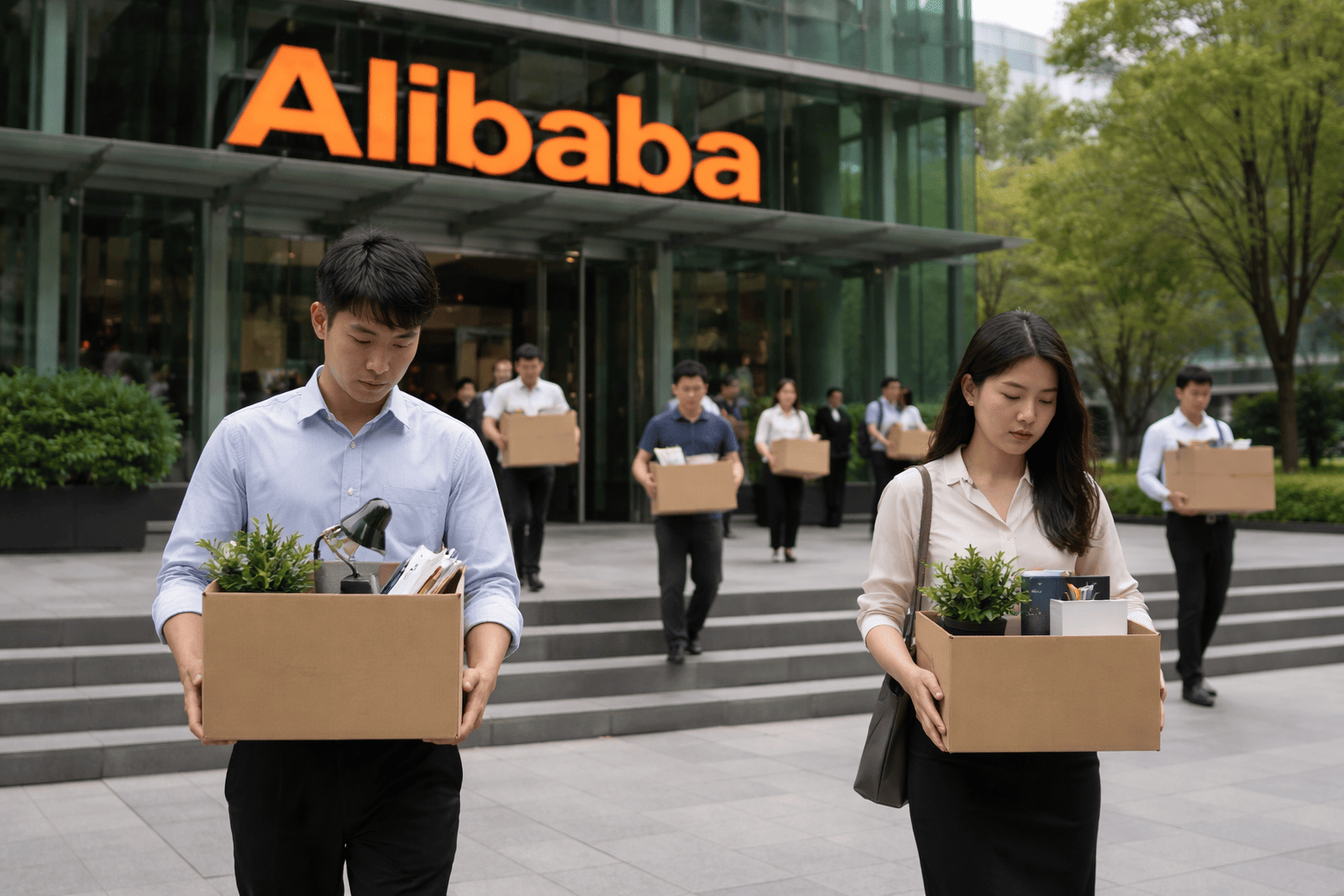
A key catalyst for Wednesday's decline was a sharp drop in Alibaba Group (BABA) shares, which fell 4.2% and became one of the worst performers in the HSI. The stock has now lost over 50% from its October 2025 high, with much of the decline accelerating after the company reported an 80% year-over-year plunge in net profit for the first quarter.
Adding to the pressure, Anthropic, the AI company behind the Claude model, has accused Alibaba of orchestrating a large-scale campaign to illicitly extract its AI capabilities. In a letter to U.S. Senators Tim Scott and Elizabeth Warren, Anthropic alleged that Alibaba entities conducted approximately 28.8 million exchanges with its models using over 25,000 accounts in a process known as “distillation.” This technique involves using outputs from a larger, more capable model to train a smaller, less expensive one.
The allegations could expose Alibaba to heightened U.S. government scrutiny, potentially leading to restrictions on its access to advanced Nvidia chips. The company is currently on a list of ten Chinese firms permitted to purchase such chips, and any removal would further strain its AI ambitions. For more on the broader implications for the index, see Hang Seng Index Faces Key Tests: China GDP, US-Iran Tensions, and Bank Earnings.
Xiaomi Slides on Memory Price Pressures
Xiaomi (1810.HK) also weighed on the HSI, falling 3.5% and hitting its lowest level in months. The stock has dropped over 50% from its 2025 peak. The latest decline came after Micron Technology's earnings report indicated surging memory demand, which is expected to drive higher prices. For Xiaomi, a major consumer of memory chips, rising costs have already squeezed margins: first-quarter revenue fell 10.9% and profit plunged 56.5% year over year.
Other notable laggards included Trip.com, which tumbled 10% after its earnings per share missed estimates despite a 17% revenue increase. Sunny Optical, CMOC Group, Laopu Gold, China Hongkiao, and Zijin Mining also posted steep losses, with Zijin Mining hit by falling metal prices.
Technical Breakdown: Death Cross and Head-and-Shoulders
The HSI's technical picture has deteriorated significantly. The index formed a death cross on June 17, when the 50-day moving average crossed below the 200-day moving average—a classic bearish signal. Additionally, a head-and-shoulders pattern has emerged, another widely watched reversal indicator. The Average Directional Index (ADX) has risen, suggesting the downtrend is accelerating.
With resistance now established, the next key support level to watch is 22,000. A break below that could open the door to further losses. For context on how this compares to other markets, see Hang Seng Index Drops 10% in H1 as Nikkei, Kospi Surge on AI Demand.
The divergence between the HSI and other global indices underscores the unique headwinds facing Hong Kong-listed equities, including regulatory risks, a sluggish Chinese economic recovery, and now escalating U.S.-China tech tensions. As the death cross and head-and-shoulders patterns suggest, the path of least resistance remains lower until a catalyst emerges to reverse sentiment. For a broader view on market rotation, see Retail Investors Shift from Broad Index Bets to Selective Trades Amid Market Rotation.
This article is for informational purposes only and does not constitute financial advice.