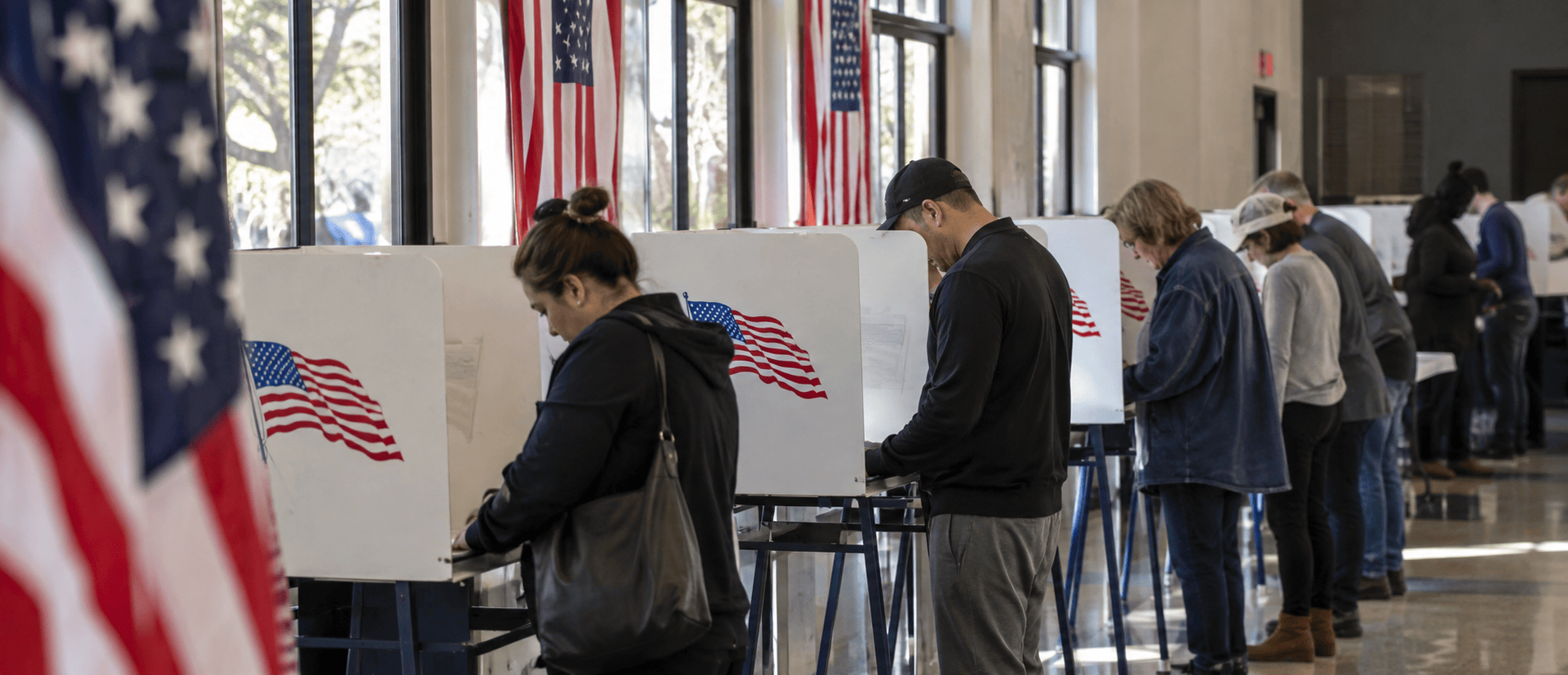
As the 2026 US midterm elections approach on November 3, investors are weighing which outcome would be most favorable for equities. Contrary to expectations, historical market data suggests that a divided government—where the White House and Congress are controlled by different parties—tends to produce the strongest stock market performance.
Political gridlock acts as a natural brake on aggressive policy shifts. When one party controls both the presidency and both chambers of Congress, sweeping tax hikes, sudden regulatory overhauls, and costly spending programs become easier to enact. Markets generally view such unified control as a risk, as it increases the likelihood of disruptive legislative changes.

In contrast, a split Congress creates a built-in check against extreme measures. This dynamic has historically translated into higher median annual returns for the S&P 500 under divided government compared to unified control. The data underscores Wall Street's preference for predictability over partisan agendas.
Relief Rallies Follow the End of Campaign Uncertainty
Beyond the specific political split, the resolution of election uncertainty itself provides a significant boost to markets. In the months leading up to midterms, stocks often underperform or trade sideways as traders price in legislative risk. Once the votes are counted and control is clear, that anxiety lifts, sparking a relief rally.
Historical patterns show the S&P 500 has risen in the vast majority of six-to-twelve-month windows following midterm elections. This seasonal tailwind reflects that markets ultimately value clarity over any particular party's policy platform.
Structural Factors Fueling Post-Election Momentum
Beyond policy gridlock, unique market mechanics drive post-midterm rallies. In the run-up to November, institutional fund managers routinely hoard cash and purchase index hedges to buffer against political surprises. Once the elections are done, these protective hedges start to unwind, and cash reserves are redeployed into risk assets.
This institutional rebalancing creates a powerful, mechanical tailwind that propels the broader stock market higher into year-end, irrespective of which specific policy proposals ultimately navigate Capitol Hill.
The Bottom Line for Long-Term Investors
While short-term policy headlines around midterm elections frequently trigger market swings, fundamental economic drivers dominate long-term equity returns. The Federal Reserve's interest rate policies, corporate profit margins, technological innovation, and macroeconomic health exert far greater control over portfolio trajectory than congressional makeup.
History demonstrates that political gridlock provides a favorable, low-risk backdrop for equities, but investors who try to time market entry around partisan shifts risk missing substantial long-term gains. Maintaining a disciplined investment strategy through election cycles remains the most reliable pathway to wealth accumulation, regardless of which party takes Capitol Hill.
This article is for informational purposes only and does not constitute financial advice.

