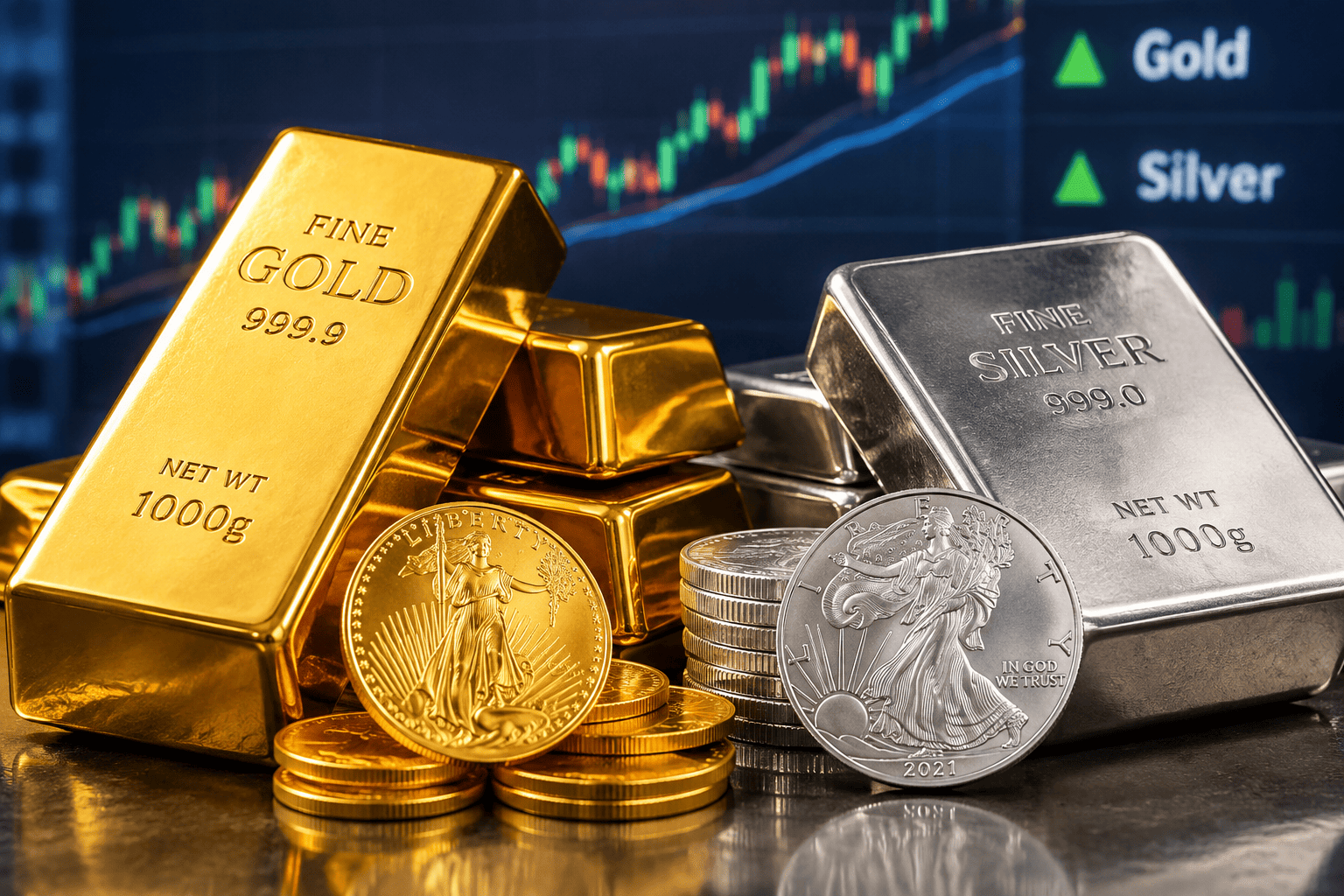
Gold prices were little changed on Tuesday, hovering near $4,332.50 an ounce as market participants balanced a tentative pause in hostilities between Israel and Iran against the prospect of persistent inflation and higher U.S. interest rates. The metal stabilized after touching its lowest level in over two months during the previous session, with August futures slipping 0.1% to $4,357.10.
The precious metal remains caught between safe-haven demand and headwinds from rising rate expectations. While geopolitical risk has eased somewhat, traders are not yet treating the ceasefire as durable. Iran and Israel announced a halt to attacks on Monday following an appeal from U.S. President Donald Trump, but Tehran warned it would resume hostilities if Israel continued strikes on Hezbollah in Lebanon. This uncertainty has prevented a deeper selloff in gold, as investors remain cautious about declaring the crisis contained.
For now, gold is behaving less like a one-way crisis trade and more like an asset waiting for confirmation. A sustained ceasefire could reduce immediate haven flows, but any renewed escalation—particularly if it threatens energy flows or draws in regional proxies—could quickly revive demand for bullion. The broader risk backdrop remains fragile, with traders watching whether shipping routes, energy supplies, and regional alliances stabilize or deteriorate further.
Inflation Data Becomes the Next Trigger
The next major test for gold is May's U.S. consumer price index (CPI), due Wednesday. Investors will use the data to gauge whether the Federal Reserve has room to pause or whether resilient growth, strong hiring, and higher energy costs force policymakers to maintain a tighter stance for longer. Goldman Sachs now expects the Fed to keep interest rates unchanged through 2026 and delay rate cuts until 2027, citing stronger economic activity and jobs growth.
Markets are also turning more hawkish, with traders pricing in a more than 70% chance of a Fed rate increase by December, according to the CME FedWatch tool. That shift is a headwind for gold, which pays no interest, making it less attractive when bond yields rise. A stronger dollar also adds pressure by making bullion more expensive for buyers using other currencies.
Despite these near-term headwinds, the longer-term bullish case for gold remains intact. Central banks have continued to be important buyers, and gold's role as a hedge against currency risk, sovereign debt concerns, and geopolitical shocks continues to support the market. Some analysts see a return to $5,500 by year-end as possible, supported partly by central bank demand, though such a move would likely require oil prices, bond yields, and the dollar to turn lower simultaneously.
Other Precious Metals Mixed
Elsewhere in precious metals, spot silver fell 0.7% to $67.71 an ounce, while platinum slipped 0.2% to $1,751.39. Palladium bucked the trend, rising 0.8% to $1,213.89. The broader precious metals complex remains sensitive to shifts in geopolitical risk and monetary policy expectations.
For related coverage, see Silver Rebound Tests $73.60 as Traders Eye US Jobs Data for Next Move and Gold Holds Near $4,485 as Gulf Tensions and Fed Rate Risks Create Crosscurrents.
This article is for informational purposes only and does not constitute financial advice.