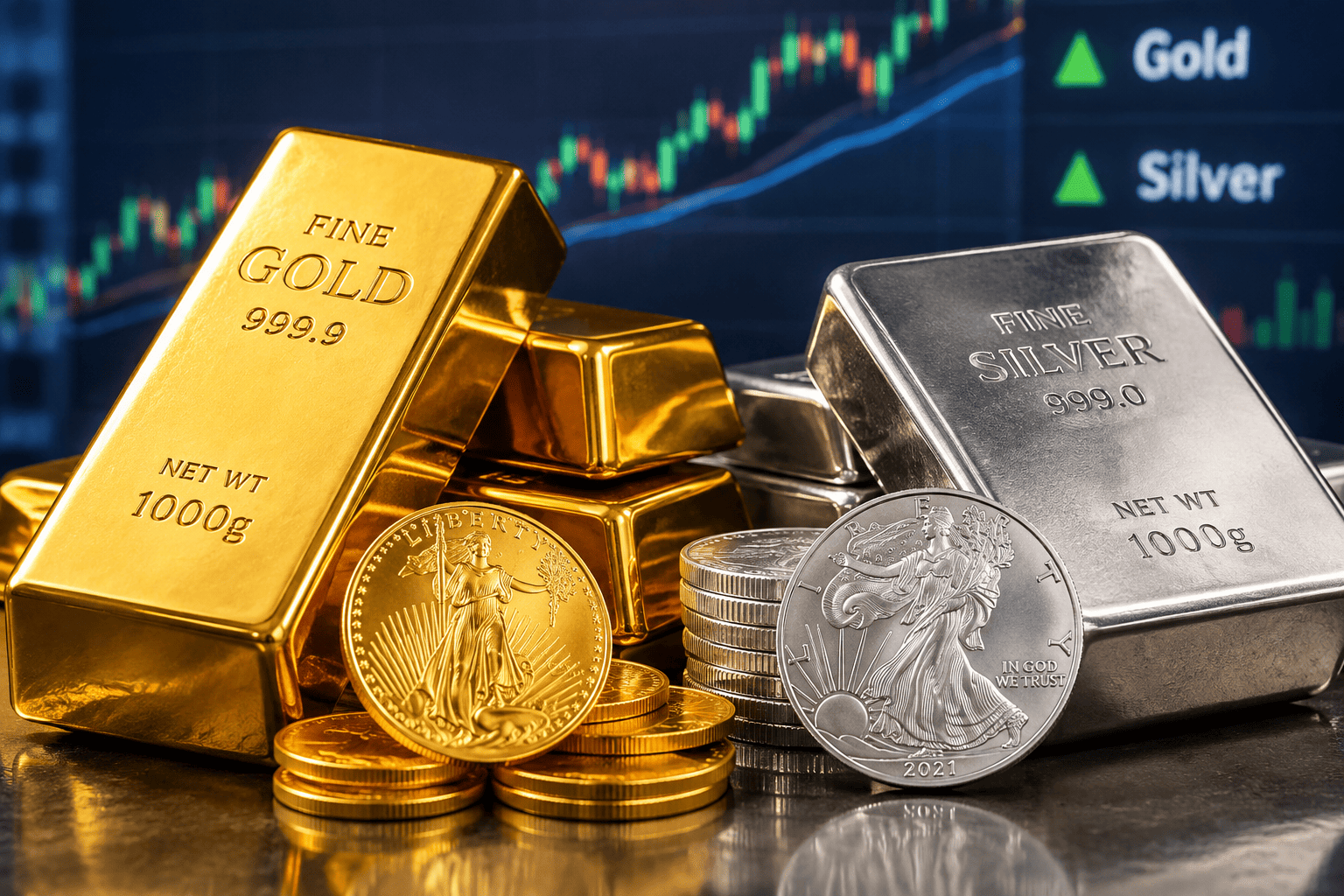
Gold prices stabilized near $4,485 an ounce on Wednesday as investors weighed escalating geopolitical risks in the Gulf against renewed signals from the Federal Reserve that interest rates may need to rise if inflation persists. The precious metal, which gained over 1% in the prior session, is caught between competing forces that are keeping its near-term direction uncertain.
Geopolitical Floor vs. Rate Ceiling
Spot gold traded flat at $4,485.17 by 0319 GMT, while U.S. gold futures for August delivery edged down 0.1% to $4,513.60. The metal found support from fresh hostilities in the Gulf, including Iranian missile attacks on targets in Bahrain and Kuwait, which the U.S. military said were either thwarted or failed. These developments have raised doubts about the durability of a ceasefire with Iran and kept the Strait of Hormuz—a critical chokepoint for global energy flows—in focus.
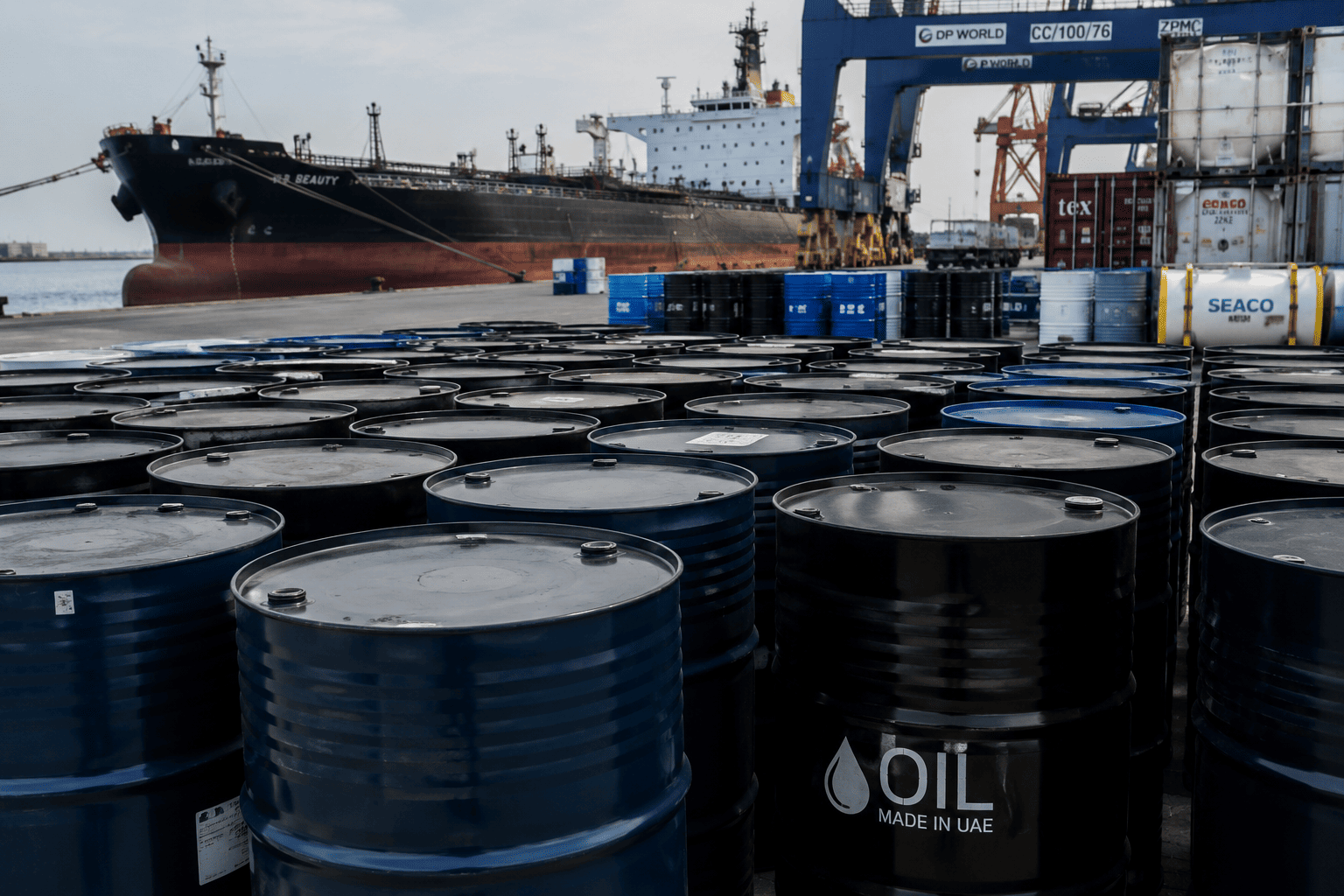
However, gains were capped by concerns that rising oil prices, which climbed more than 2% in early trade, could feed into broader inflation and keep monetary policy tighter for longer. Gold is traditionally bought as a haven during geopolitical stress and as an inflation hedge, but its appeal fades when interest rates rise because the metal pays no yield and must compete with income-generating assets like bonds.
Fed Warnings and Data in Focus
Cleveland Federal Reserve President Beth Hammack added to the cautious tone, stating that the U.S. central bank may need to raise interest rates soon if already elevated inflation pressures continue to build. That warning came as markets prepared for a busy run of U.S. economic releases, including nonfarm payrolls due later Wednesday and a broader employment report on Friday.
Stronger-than-expected data could reinforce the case for tighter policy, particularly if it points to a resilient labor market and continued wage pressure. That would typically weigh on gold by supporting Treasury yields and the dollar. Weaker data, by contrast, could revive expectations that the Fed has room to pause or ease policy later, potentially giving bullion fresh support.
Market Dynamics and Trader Sentiment
The precious metals complex showed mixed signals in early trade. Silver eased 0.1% to $75.01 an ounce, platinum slipped 0.2% to $1,933.15, and palladium rose 0.2% to $1,372.25. The steadiness in gold following its prior advance suggests investors are reluctant to extend positions before the key labor-market data.
Analysts note that the current setup is a classic tug-of-war. “If we start to see further escalation, that could also dampen whatever recovery that gold might have had,” said Kelvin Wong, senior market analyst at OANDA, as cited by Reuters. He added that traders are watching whether any peace effort by President Donald Trump gains traction.
U.S. Secretary of State Marco Rubio said the administration had not offered Iran sanctions relief in exchange for reopening the Strait of Hormuz, reinforcing the sense that a diplomatic resolution remains uncertain. Markets remain sensitive to headlines from the region.
Broader Context
The interplay between geopolitical risk and monetary policy is not unique to gold. In related markets, the aluminum market faces a 2.9 million ton deficit through 2026 as the Gulf smelter crisis deepens, while the IEA warns Middle East energy production recovery could extend to two years. These developments underscore the broad economic impact of the ongoing tensions.
For now, gold traders are caught between two forces: Middle East risk is keeping a floor under prices, while the possibility of higher U.S. interest rates is limiting upside. The next catalyst will likely come from the U.S. employment data, which could tip the balance in either direction.
This article is for informational purposes only and does not constitute financial advice.