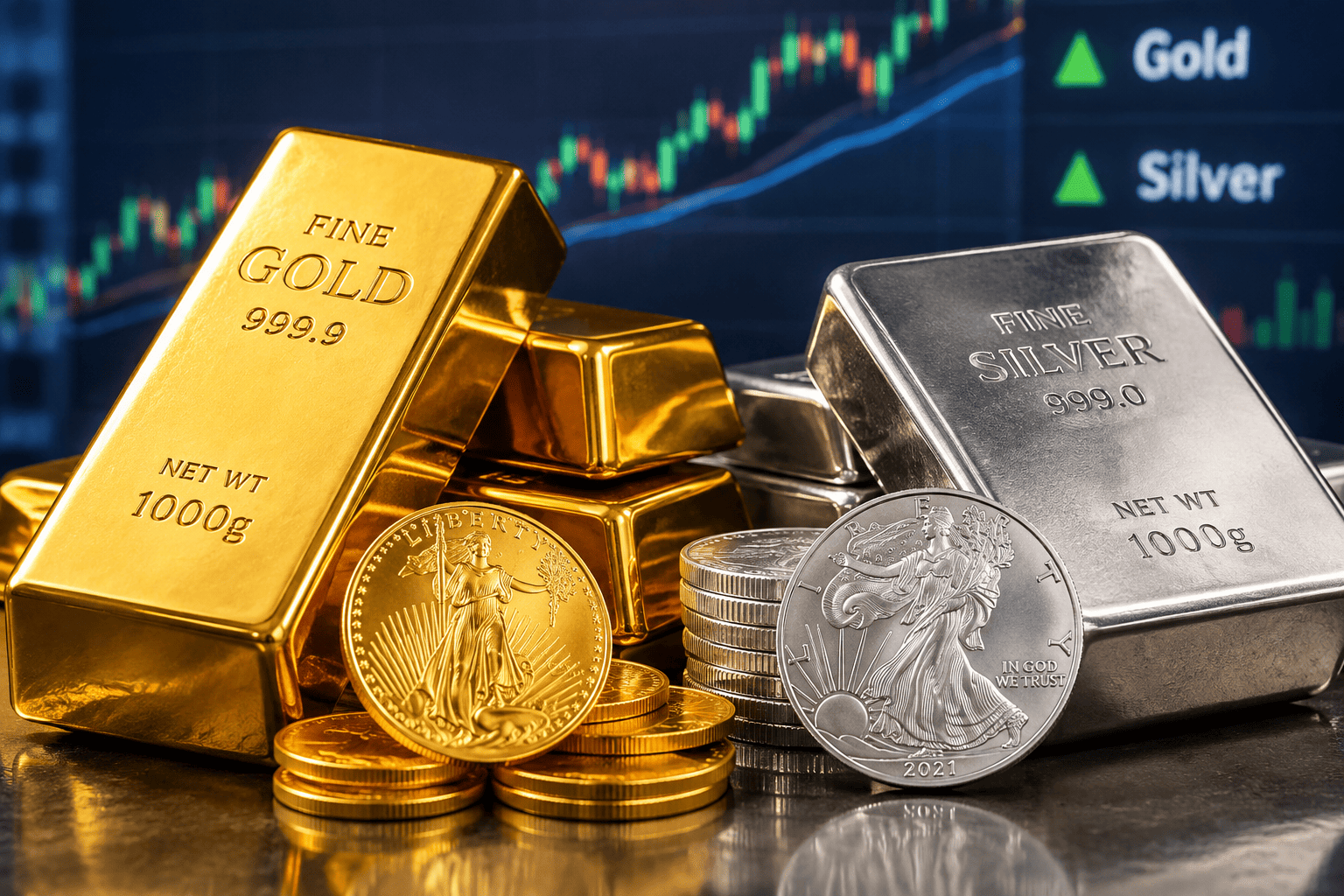
Gold is on pace for its worst monthly performance since the 2008 financial crisis, as the metal's traditional safe-haven appeal is being overshadowed by a different kind of fear: the rising cost of money. Bullion slipped back below $4,000 an ounce on Tuesday, extending June's decline to 12.7%, as investors shifted focus from geopolitical tensions to the Federal Reserve's tightening path.
Spot gold fell 1.5% to $3,956.92 an ounce in early trading, while US gold futures for August delivery dropped 1.7% to $3,969.30. The monthly decline would mark the fourth consecutive monthly loss and the first quarterly drop since 2024, a sharp reversal for an asset that began the year with strong momentum.
Rate Expectations Overwhelm Haven Bid
The pressure on gold is multifaceted. Persistent inflation, exacerbated by recent oil price spikes, has kept price risks alive, and traders are increasingly pricing in further Fed rate increases. Markets now anticipate three rate hikes this year, with the probability of a move in September near 64%. This is particularly detrimental for gold, which offers no yield. As cash and bonds become more attractive, the case for holding bullion weakens.
Analysts at Marex note that the combination of high inflation, stronger rate expectations, and a firmer dollar is powerful enough to override the bullish arguments that typically support gold during crises. The market is treating bullion less as an inflation hedge and more as a rate-sensitive asset.
Dollar Strength Adds to Headwinds
The US dollar is also contributing to gold's woes, heading for a second monthly advance. A stronger dollar raises the cost of gold for buyers using other currencies, dampening demand. This has muted the usual safe-haven impulse, even though the geopolitical backdrop remains tense.
Investors are now looking to US labor data for the next signal. The ADP employment report and nonfarm payrolls are due this week, and a resilient jobs print would make it harder for the Fed to soften its tone, further pressuring gold.
Oil Retreat Cools One Fear, but Not All
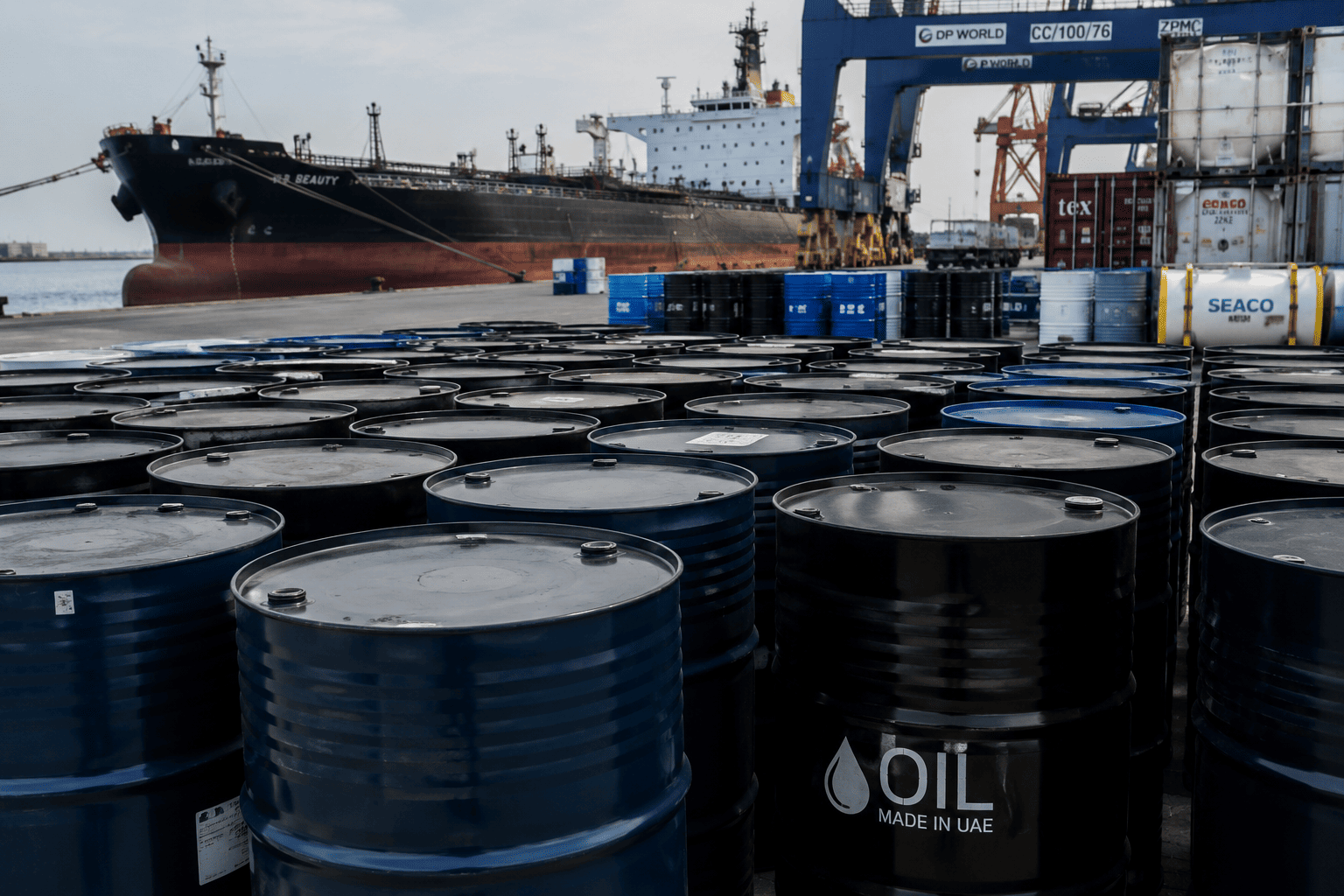
Crude oil's pullback has removed some urgency from the inflation scare. Brent crude was near $72 a barrel, around pre-war levels, as traders weighed possible US-Iran talks in Doha. However, the situation remains fragile, with Tehran casting doubt on whether direct meetings are scheduled.
For gold, this leaves a messy second-half setup. Marex analysts see a broad $3,500 to $4,400 range, suggesting room for volatility rather than a clean trend. The broader precious metals complex is also under pressure, with silver falling 2% to $57.13 an ounce, platinum losing 1.1% to $1,557.21, and palladium slipping 0.4% to $1,208.17. All three are heading for monthly and quarterly losses, indicating a wider reset across the sector.
For more on gold's recent moves, see Gold Slips Below $4,110 as Rising Yields Counter Geopolitical Safe-Haven Demand and Gold Slips as Iran Oil Spike Fuels Fed Rate Fears, Overwhelming Haven Appeal.
This article is for informational purposes only and does not constitute financial advice.