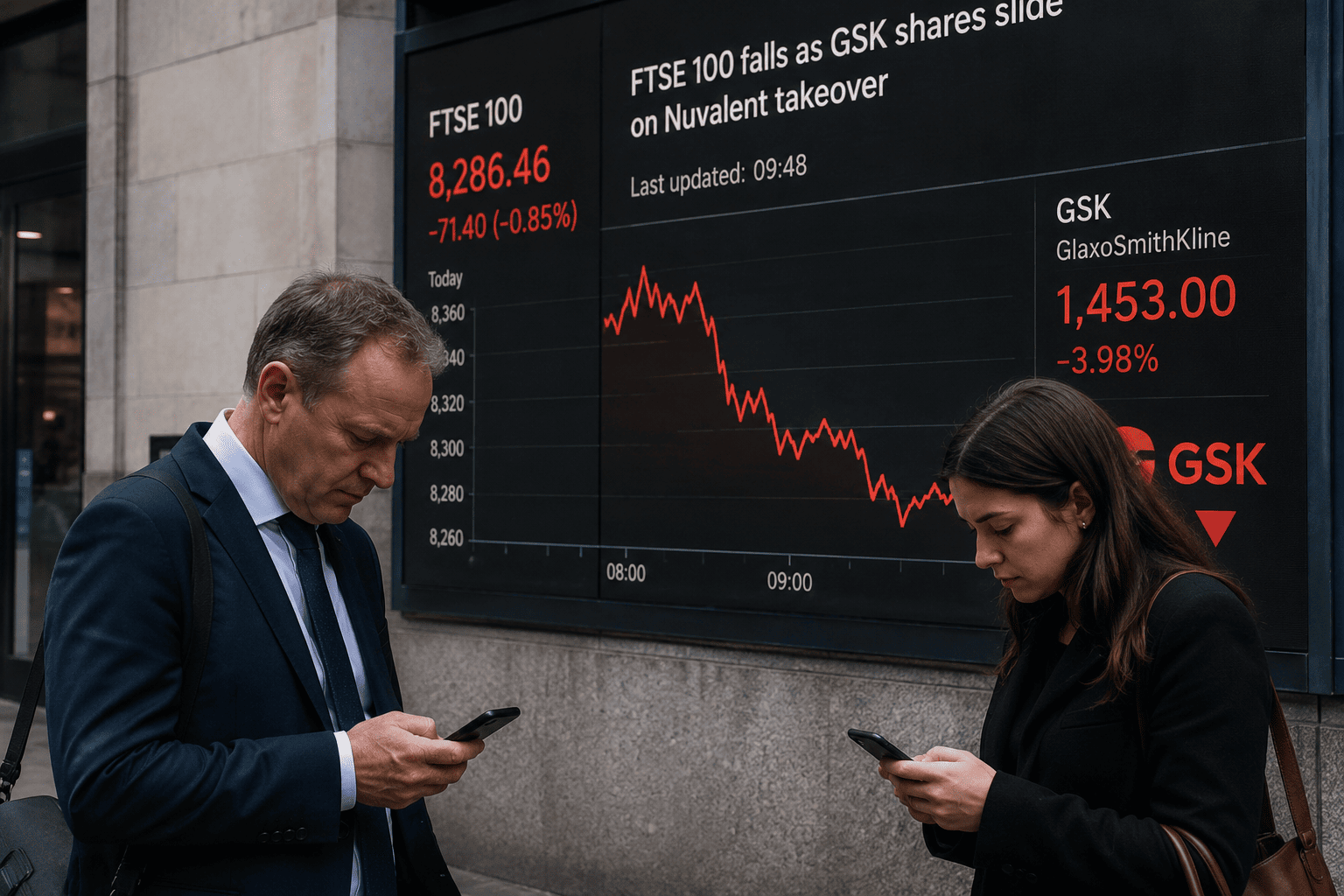
The FTSE 100 index has been trading in a narrow band this week, with the focus squarely on upcoming UK macroeconomic data and central bank decisions. As of Wednesday, the index stood at 10,440 points, recovering from a monthly low of 10,122. The market is bracing for the Bank of England's (BoE) interest rate decision, which is expected to be a key catalyst for the near-term direction of the UK's leading stock benchmark.
UK Inflation Cools, Supporting a Dovish BoE
Data released by the Office for National Statistics showed that UK headline consumer price inflation rose 2.8% year-on-year in May, below the consensus estimate of 3.0%. On a monthly basis, inflation increased 0.2%, also missing the 0.4% forecast. This marks the second consecutive month that inflation has come in below expectations. With crude oil prices declining, there is growing conviction that inflation will continue to trend toward the BoE's 2.0% target in the coming months. For more details, see our report on UK Inflation Holds at 2.8% in May, Defying Forecasts for a Rise.

Jobs Data and BoE Decision in Focus
On Thursday, the UK will release its latest employment figures. Economists anticipate that the unemployment rate will remain unchanged at 5.0%, while the claimant count change is expected to slow to 25,800. However, the main event for the FTSE 100 is the BoE's interest rate decision. Following the Federal Reserve's lead, the BoE is widely expected to keep rates unchanged at 3.75%. A Polymarket poll assigns a 100% probability to this outcome.
Looking beyond the immediate decision, trader sentiment is divided. A separate poll indicates that 59% of traders expect the BoE to hike rates later this year, citing persistent inflation above the 2.0% target. In contrast, the bond market is signaling a more dovish outlook. The rate-sensitive five-year gilt yield has fallen to 4.285%, its lowest since April 17, and well below the year-to-date high of 4.718%. Similarly, the two-year yield has retreated to 4.145% from its 2023 peak of 4.70%. Longer-dated yields have also declined, while sterling has weakened to 1.3300 against the U.S. dollar, which has strengthened broadly.
The BoE's decision comes after the Federal Reserve held its policy rate steady at 3.5%–3.75%. Notably, nine Fed officials indicated they would support further rate hikes later this year if inflation remains stubbornly high. This was the first Fed decision under Chair Kevin Warsh.
FTSE 100 Technical Analysis: Bullish Pattern Emerges
From a technical perspective, the FTSE 100 has been consolidating in a tight range in recent sessions. The index is trading just above its 50-day moving average and a descending trendline connecting the highs since February. A small inverted head-and-shoulders pattern has formed, which is often interpreted as a bullish reversal signal. The Relative Strength Index (RSI) has moved above the neutral 50 level, adding to the constructive outlook.
If the bullish pattern holds, the next key resistance to watch is the year-to-date high of 10,945. A break above that level could open the door to further gains. Conversely, a failure to hold above the 50-day moving average might lead to a retest of the recent lows near 10,122.
Investors should also keep an eye on broader market dynamics. For instance, Bitcoin Holds $62K Ahead of CPI: Can Inflation Data Spark a Move to $70K or $60K? and Citi Lowers 3-Month Gold Forecast to $4,000 on Weakening Safe-Haven Demand highlight how inflation and central bank policies are influencing other asset classes.
This article is for informational purposes only and does not constitute financial advice.