US markets experienced a volatile session on Tuesday, driven by sector-specific weakness in semiconductor stocks and geopolitical jitters in the Middle East. Samsung Electronics' preliminary second-quarter results, while showing a massive profit surge, failed to sustain investor confidence, triggering a broad selloff in memory-chip names. Meanwhile, oil prices jumped after reports of attacks on vessels near the Strait of Hormuz, reviving supply concerns.
Samsung's Record Profit Fails to Lift Chip Stocks
Samsung Electronics reported preliminary second-quarter operating profit of 89.4 trillion won ($58.44 billion), a 19-fold increase year-over-year, with revenue of 171 trillion won, up 129%. Despite these record figures, Samsung shares fell nearly 7% as investors appeared to have already priced in the strong performance. The company has benefited from robust demand for high-bandwidth memory (HBM) used in AI data centers, along with tighter supply in conventional DRAM and NAND markets. Samsung also began commercial shipments of HBM4 in the second quarter, marking the first period where these latest AI memory products could contribute to revenue.
The weakness quickly spread across global semiconductor markets. SanDisk shares dropped 10%, adding to a more than 20% decline over the previous three sessions. Micron Technology and Western Digital fell 7.3% and 8.14%, respectively. The Roundhill Memory ETF declined 6.2%, while Intel, Advanced Micro Devices, and Nvidia also traded lower. For more on the broader impact, see our coverage on Kospi Drops 4% as Samsung's Record Profit Fails to Sustain AI Rally.
Gold Slips as Fed Outlook Offsets Geopolitical Concerns
Gold prices declined on Tuesday as investors balanced rising geopolitical risks in the Middle East against expectations that US interest rates could remain elevated for longer. Spot gold fell 1.5% to $4,098.91 per ounce, while August gold futures settled 1.05% lower at $4,123.60. The precious metal had reached a two-week high on Monday after weaker-than-expected US jobs data reduced expectations of an immediate Federal Reserve rate increase. However, markets have since refocused on inflation risks and upcoming Fed communications. Investors are now awaiting the minutes from the Federal Reserve's latest policy meeting on Wednesday.
Oil Climbs After Strait of Hormuz Attacks Revive Supply Fears
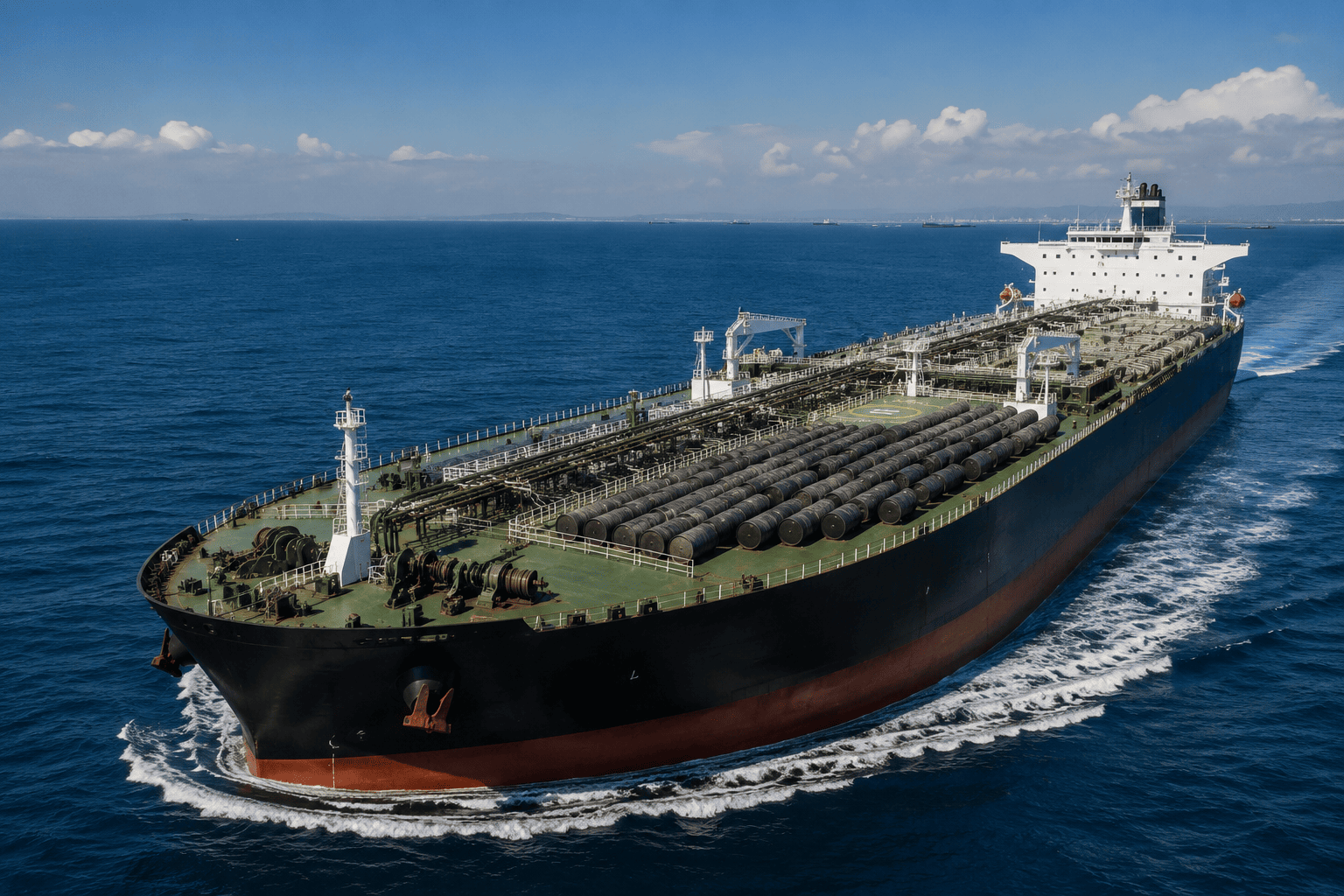
Oil prices rose more than 2% after reports that vessels near the Strait of Hormuz had come under attack, raising concerns about potential disruptions to one of the world's most important energy shipping routes. Brent crude rose 5% to $75.65 a barrel, while US West Texas Intermediate gained 5% to $71.99. According to reports, a Qatari LNG tanker and a Saudi-flagged crude oil tanker were damaged after Iran's Revolutionary Guards reportedly fired missiles in the area. Qatar said Iran bears legal responsibility for the attack. Analysts noted that the attacks renewed concerns over energy exports through the waterway, which previously handled roughly one-fifth of global oil and LNG supplies before the Iran conflict began. At the same time, Societe Generale lowered its long-term oil price forecasts, arguing that stronger supply growth could push the market into surplus during late 2026 and 2027 despite near-term geopolitical volatility.
SpaceX Falls Despite Nasdaq Inclusion; Analysts Remain Bullish
SpaceX shares fell 6% on Tuesday even as the company officially joined the Nasdaq index, extending post-IPO volatility following its June public listing. Despite the decline, Raymond James analyst Brian Gesuale argued that the stock remains undervalued and assigned a long-term price target of $800, implying roughly 430% upside from current levels. The bullish view centers on Starship, which Gesuale described as a transformative platform capable of dramatically reducing launch costs while expanding commercial opportunities across the space economy. The analyst also pointed to artificial intelligence as another major growth driver, arguing that SpaceX's satellite infrastructure could eventually support lower-cost AI computing and data services. Raymond James said the combination of Starship's commercial potential and AI infrastructure positions SpaceX as more than a traditional aerospace company, comparing its long-term significance to foundational infrastructure such as railroads and the internet. According to LSEG data, more than two-thirds of analysts covering the company currently maintain Buy or equivalent ratings, reflecting continued confidence despite recent post-IPO weakness. For related market moves, see Dow Adds 83 Points as Chip Stocks Rebound; Fed Minutes and Q2 Earnings in Focus.
This article is for informational purposes only and does not constitute financial advice.