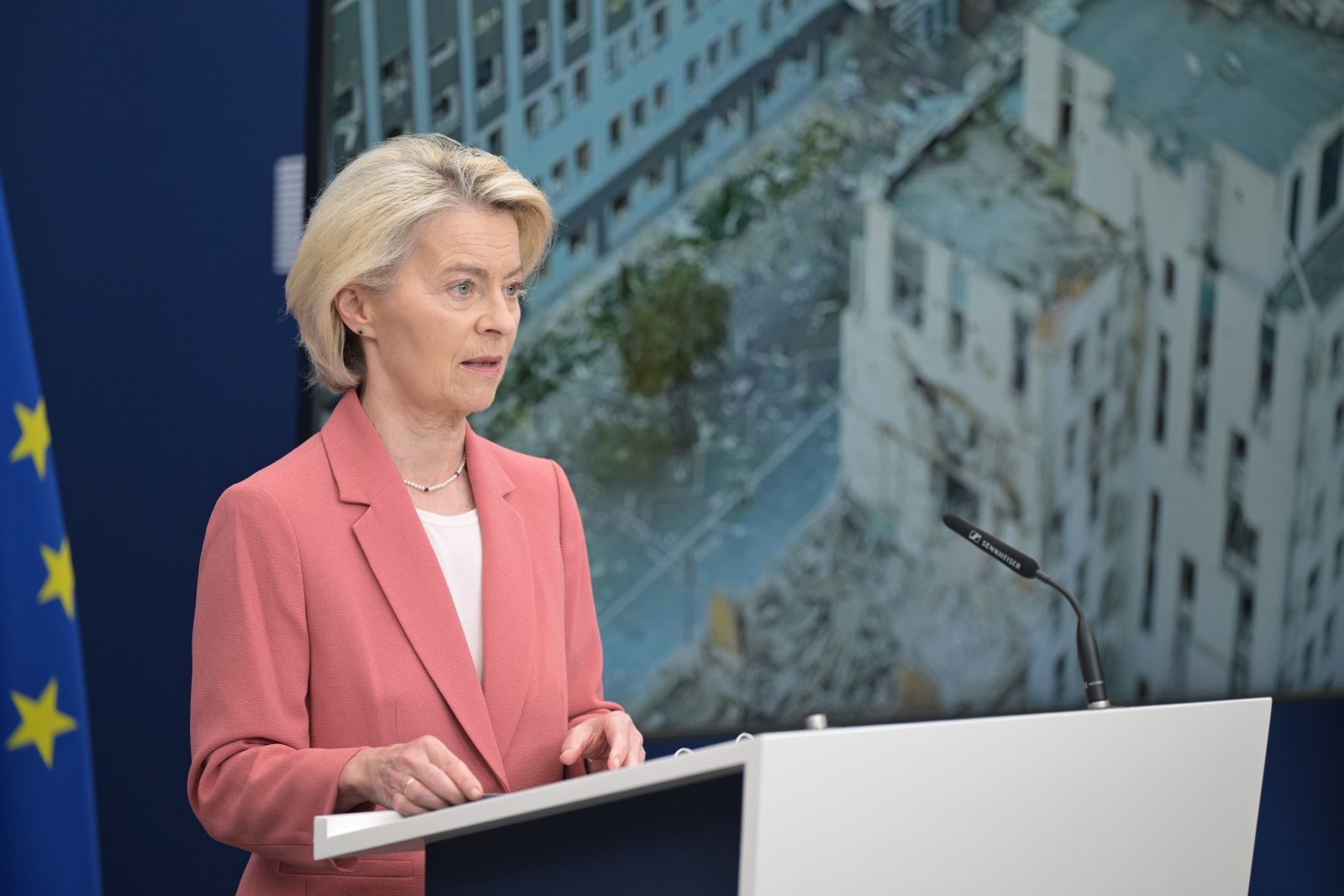
The European Commission has unveiled a proposal to prohibit children under 13 from accessing social media platforms, online games, and AI chatbots, as part of a broader push to tighten digital safeguards for minors. The plan, announced by Commission President Ursula von der Leyen during her annual State of the European Union address in Strasbourg, also outlines a supervised framework for teenagers aged 13 to 15.
Guardian-supervised 'mini accounts'
Under the proposal, teens in the 13–15 age bracket would not face an outright ban but would instead be granted "mini accounts" overseen by a guardian. This approach aligns with von der Leyen's earlier remarks that children should be introduced to social media in a "phased and gradual" manner. The proposal now moves to a vote among the EU's 27 member states.

Von der Leyen framed the initiative as a response to the perceived risks of addictive design and harmful content. "We do not have to accept addictive features," she said. "We do not have to accept children being drawn into ever more extreme content. We do not have to accept that girls have their photos used for AI-generated sexualized images."
Global context and legal hurdles
The EU's move adds to a growing international debate over youth online safety. In the United States, Meta Platforms recently agreed to pay up to $18 billion and implement stronger child-safety measures on Facebook and Instagram, settling a lawsuit brought by nearly every US state over teen social media addiction. Australia and New Zealand have already enacted restrictions on teenage social media use.
However, similar efforts have faced legal setbacks. France's highest court struck down a law last month that would have banned children under 15 from social media, ruling it infringed on fundamental freedoms. French President Emmanuel Macron has indicated he will revise the proposal.
In the European Parliament, Manfred Weber, leader of the largest political group, went further, suggesting the EU should allow citizens to switch off social media algorithms entirely, following Australia's approach. "Elon Musk will not like it, but probably that is a reason for doing it," Weber said.
Market implications
If adopted, the proposal would represent one of the most significant regulatory actions targeting the operations of social media and AI chatbot platforms in Europe, a market of roughly 450 million people. Companies such as Meta, Alphabet's Google, TikTok owner ByteDance, and AI chatbot developers like OpenAI and Character.AI could face new compliance requirements.
The plan also raises the prospect of renewed trade friction between Brussels and Washington. US President Donald Trump has repeatedly criticized European tech regulations, and tensions are already high over other digital policy issues. Investors should monitor how these regulatory developments might affect the earnings outlook for major tech firms operating in the region.
For context, the proposal comes amid broader market movements, including bitcoin's recent price action and Nvidia's deepening AI infrastructure push. Additionally, OpenAI's ad unit has hit a $1 billion run rate, highlighting the rapid growth of AI-driven platforms that could be affected by these rules.
The EU's proposal is part of a wider regulatory trend that investors should watch, as compliance costs and operational changes could impact profit margins for tech giants. The outcome of the member state vote will be crucial in determining the scope and timing of any new rules.
This article is for informational purposes only and does not constitute financial advice.

