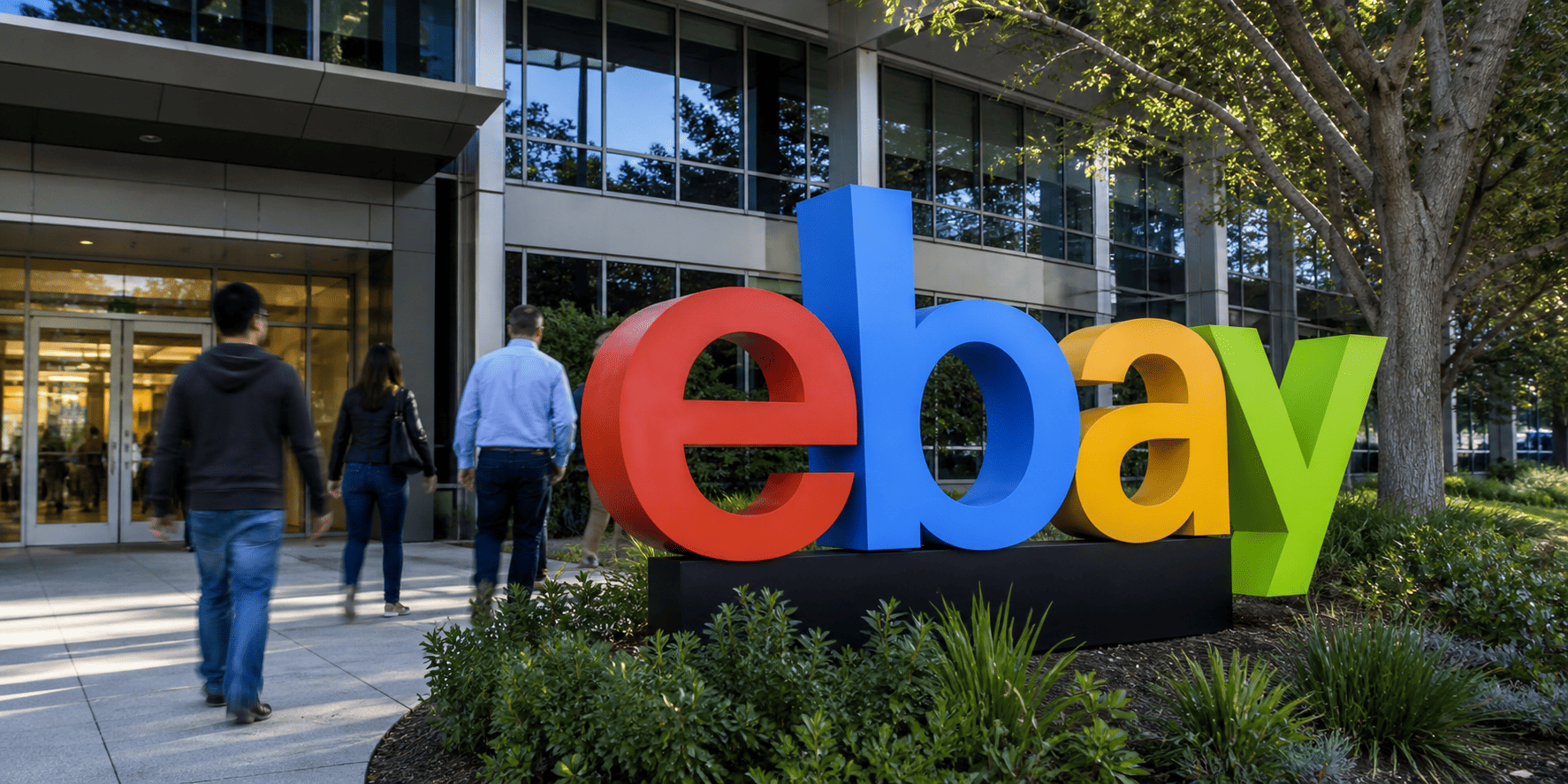
Shares of eBay (EBAY) fell approximately 4% on Monday following a Bloomberg report indicating that GameStop CEO Ryan Cohen is reconsidering the video game retailer's proposed $56 billion acquisition of the online marketplace. According to sources familiar with the matter, GameStop is now exploring a joint venture or strategic partnership with eBay instead of a full takeover.
GameStop's stock edged up about 0.1% after the report, reflecting investor relief that the company may avoid the financial strain of a massive acquisition. The proposed deal had faced significant skepticism from analysts and investors due to the size disparity between the two companies.

Partnership could target collectibles and retail network
Bloomberg reported that Cohen is evaluating a proposal under which eBay would leverage GameStop's network of roughly 1,600 U.S. retail stores. The collaboration could help both companies strengthen their positions in higher-margin segments such as trading cards and collectibles, areas where each has been expanding in recent years.
As part of any partnership, GameStop would also seek representation on eBay's board, according to the report. Neither company has reached a final decision, and Cohen could still consider alternative strategies. Both companies declined to comment on the report.
Investor skepticism surrounded the acquisition
The reported shift in strategy follows eBay's rejection of GameStop's unsolicited takeover proposal in May, which eBay described as "neither credible nor attractive." The proposed acquisition drew widespread criticism because GameStop, with a market value of about $8.6 billion, was attempting to acquire a company valued at nearly six times its size.
Analysts also questioned the financing structure, which was expected to rely heavily on debt and new share issuance. Although GameStop holds roughly $8.4 billion in cash, concerns about the leverage required to complete such a large transaction remained a major hurdle.
Strategic alignment in collectibles
Despite their different operating models, both companies have increasingly focused on collectibles and trading cards, which have become attractive growth segments. eBay operates an online marketplace that generates revenue by connecting buyers and sellers and collecting transaction fees, while GameStop primarily purchases inventory and resells products through its physical stores.
A partnership could allow each company to capitalize on those complementary strengths without the financial burden of a full acquisition. GameStop strengthened its position in July by increasing its stake in eBay to 9.8%, making it one of the e-commerce company's largest shareholders. Following that investment, Cohen pledged to pursue a transaction "one way or another" after the takeover proposal was rejected.
GameStop's transformation and market context
GameStop's renewed push comes after years of transformation. The retailer has steadily reduced its brick-and-mortar footprint as consumers shifted to digital game downloads. The company also became the center of the retail-investor trading frenzy in 2021, with investor Michael Burry of Scion Asset Management taking an early bullish position before the rally. However, after the announcement of the eBay proposal, Burry disclosed that he had exited his investment, citing concerns over the debt the retailer could assume.
Meanwhile, eBay continues to command a sizeable global marketplace despite facing increased competition and changing consumer habits. Shoppers spend around $80 billion annually on the platform, with approximately 136 million active buyers making purchases during the 12 months ended March 31. For more on market movements, see our coverage of recent Dow declines and Nvidia's latest gains.
This article is for informational purposes only and does not constitute financial advice.