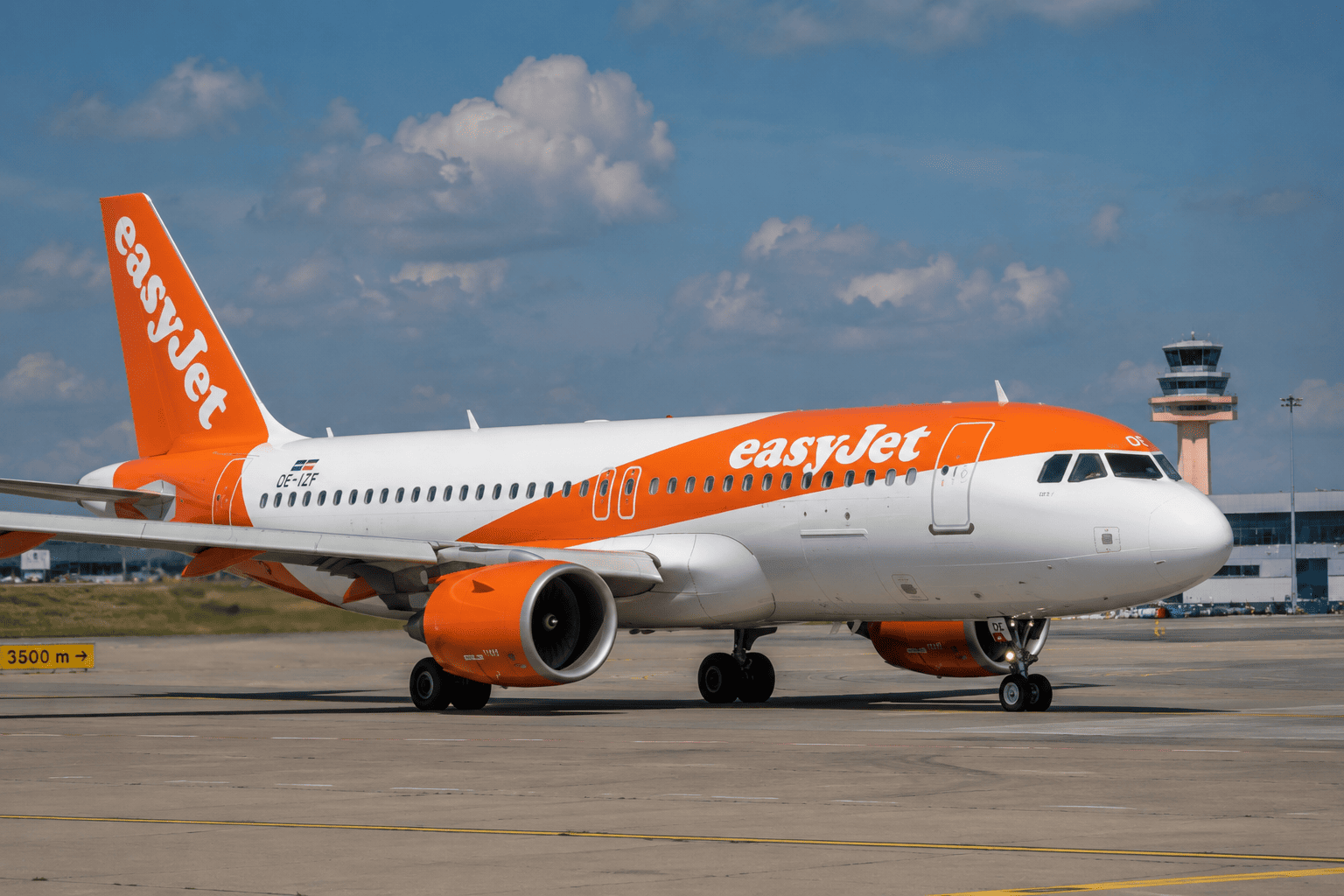
Shares of easyJet climbed approximately 10% on Monday, reaching a four-year high, after the budget airline announced it had agreed in principle to a £5.5 billion ($7.3 billion) takeover offer from U.S. investment firm Castlelake. The deal, which values easyJet's equity at £5.23 billion and up to £5.52 billion on a fully diluted basis, represents a 24% premium to the airline's closing price on Friday.
The revised offer of £6.90 per share comes after weeks of negotiations and several rejected bids. Castlelake, a Minneapolis-based firm managing roughly $37 billion in assets, initially approached easyJet at £5.60 per share before raising its bid to £6.50—an offer the airline dismissed about ten days ago as undervaluing the business. The latest proposal has been accepted in principle, and both parties have requested an extension to the formal deadline for completing the transaction. Castlelake now has until August 3 to make a firm offer or walk away.

Strategic Implications and Market Context
If completed, the acquisition would be one of the largest in the European aviation sector this year and would take easyJet private, potentially altering its strategic direction. The airline operates more than 350 aircraft across over 1,200 routes in 37 countries, positioning it as one of Europe's leading low-cost carriers. The deal would also deliver a substantial windfall for founder Stelios Haji-Ioannou, whose family holds more than 15% of the airline, with the transaction potentially worth nearly £800 million to them.
The takeover comes amid a challenging period for the airline industry, which has faced sharply higher fuel costs, margin pressure from geopolitical tensions, and weaker consumer confidence. These headwinds had pushed easyJet shares lower earlier this year before Castlelake's interest became public. Since then, the stock has risen more than 40%, recovering losses tied to Middle East tensions. Year-to-date, easyJet shares are up about 20%.
Investor and Analyst Perspectives
Susannah Streeter, chief investment strategist at Wealth Club, noted that recent weakness created an attractive entry point for private equity. She highlighted easyJet's strong balance sheet, modern fleet, and expanding holidays business as undervalued assets. Castlelake, with significant experience in aircraft leasing and aviation finance, appears to share that view.
However, analysts caution that significant hurdles remain. JPMorgan questioned how the deal would satisfy European Union ownership rules for airlines and establish an acceptable governance structure. The stance of founder Stelios Haji-Ioannou, given his large shareholding, could also prove influential. easyJet stated that Castlelake has committed to using "best endeavours" to secure all required regulatory approvals.
Broader Market Trends
The proposed acquisition adds to a growing wave of overseas buyers targeting UK-listed companies, as highlighted in our recent coverage of the UK takeover wave hitting $231B. Private equity ownership could give easyJet greater flexibility to invest for long-term growth, but also typically focuses on improving efficiency, reducing costs, and boosting returns. Some analysts suggest Castlelake could extract additional value by combining easyJet's fleet with its aircraft leasing operations or spinning off the holidays division.
Castlelake already has experience in the sector, having acquired a stake in Scandinavian carrier SAS through a debt restructuring, which it is currently selling to Air France-KLM. The outcome of the easyJet bid will be closely watched as a bellwether for private equity interest in European aviation.
This article is for informational purposes only and does not constitute financial advice.

