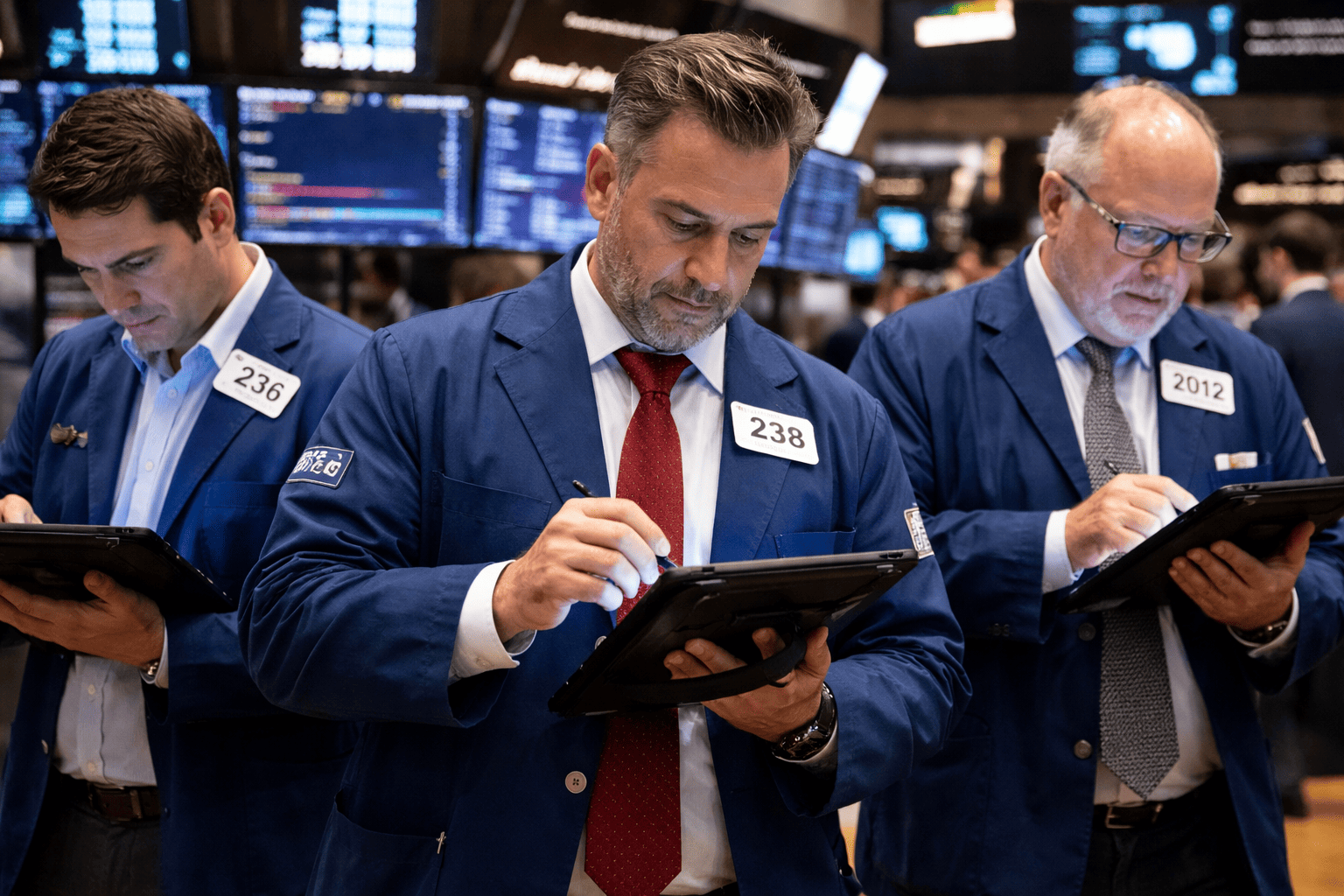
US stock futures declined on Monday as a sharp rise in oil prices reignited inflation concerns and pushed Treasury yields higher, putting technology shares under pressure before the opening bell. Nasdaq 100 futures dropped about 1%, while S&P 500 futures fell roughly 0.5% and Dow futures slipped 0.5%, or 305 points.
Brent crude climbed toward $108 a barrel after President Donald Trump rejected Iran's latest proposal to reopen the Strait of Hormuz, although further negotiations are expected this week. West Texas Intermediate rose above $94 as investors rebuilt a geopolitical risk premium around Middle East supplies.

For Wall Street, the concern is not simply higher petrol and transport costs. Another sustained energy shock could keep inflation elevated and give the Federal Reserve less room to stop tightening. MUFG senior currency analyst Lloyd Chan told Dow Jones that the simultaneous rise in oil and long-term bond yields suggests investors are attaching a greater inflation risk to the global outlook.
Treasury yields become a valuation problem
The 10-year Treasury yield held around 5.2%, near its highest level since 2007, while the 30-year yield traded around 5.51%. That combination is particularly uncomfortable for the Nasdaq. Higher long-term yields increase the discount rate applied to future profits, creating a higher valuation hurdle for technology and other long-duration growth shares.
Markets were pricing roughly a 66% probability of another Fed rate increase in October, following September's quarter-point increase.
PCE and payrolls could decide the next Fed move
Wednesday brings the August Personal Income and Outlays report, including the Fed's closely watched PCE inflation gauge. Core PCE inflation was running at 3.3% year on year in July, still well above the central bank's 2% target. The September employment report follows on Friday, October 2, at 8:30 am ET. Stronger inflation or employment numbers would make it harder for bond yields to retreat and could keep rate-sensitive equities under pressure.
China trade relief offers a partial cushion
Washington and Beijing provided one counterweight after last week's Trump-Xi summit. The two countries agreed tariff reductions covering $60 billion of bilateral trade and extended their trade truce for two months through January 10. The package includes agricultural, consumer and industrial products. That removes some immediate trade uncertainty, but it has not been enough to overpower Monday's oil-and-rates shock.
Meta retreats while Tesla faces a delivery test
Meta slipped about 1.4% in pre-market trading after a volatile week for the AI-driven rally. The shares remain roughly 30% higher in September, helped by enthusiasm surrounding its Muse AI assistant. Tesla, meanwhile, gained about 1.8% before the bell as investors looked towards its third-quarter delivery report. Goldman Sachs recently cut its estimate to 435,000 vehicles, while UBS expects 470,000, highlighting the unusually wide range of expectations heading into the update.
This article is for informational purposes only and does not constitute financial advice.

