China's economic momentum faded in July as consumer spending, investment, and industrial production all fell short of expectations, intensifying pressure on policymakers to roll out additional support measures for the second half of the year.
Retail sales increased just 0.6% from a year earlier, according to data released Monday by the National Bureau of Statistics. That was sharply below the 1.5% growth forecast and marked a slowdown from the 1% gain recorded in June. Industrial output also disappointed, rising 4.5% year-on-year versus the 4.8% expected, and down from 5.3% in June. The urban unemployment rate ticked up to 5.2% from 5% in June, adding to concerns about household confidence and spending.
The figures follow China's second-quarter GDP growth of 4.3%, the slowest pace since late 2022. First-half growth of 4.7% still leaves the economy broadly on track to meet Beijing's 2026 target range of 4.5% to 5%, but the July data suggest the recovery is losing steam.
Investment downturn deepens
Investment provided another major warning sign. Urban fixed-asset investment—covering infrastructure, manufacturing, and property—fell 6.7% in the first seven months of the year compared with the same period last year. That was steeper than the 6% contraction economists had expected and followed a 5.7% decline in the first half. The weakness underscores the ongoing damage from China's prolonged property downturn, while tighter borrowing constraints on local governments have limited another traditional source of investment.
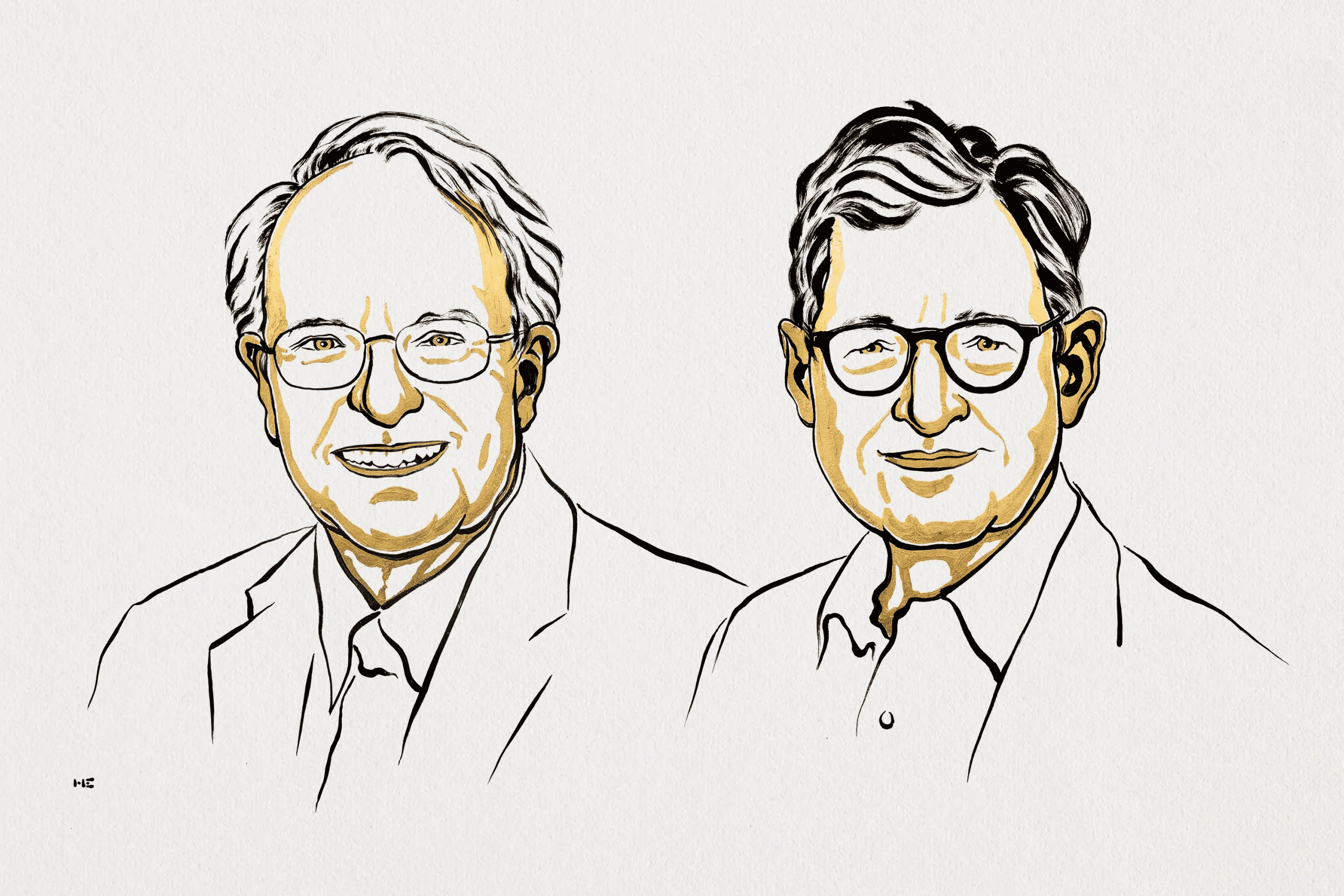
Urban investment had already declined 3.8% last year, marking its first annual contraction in decades. The deterioration has since accelerated, highlighting the difficulty policymakers face in replacing property and infrastructure as growth engines. In a CNBC report, Li Daokui, a professor of economics at Tsinghua University, described the intensity of the investment pullback as “unprecedented” and identified contracting investment and high youth unemployment as major obstacles to meeting China's growth objectives. Li has called for a substantial expansion in government borrowing, suggesting that this year's planned 12 trillion yuan ($1.7 trillion) in new debt issuance should more than double.
Consumer spending remains a weak spot
The weakness in retail sales is particularly significant because Beijing has been trying to shift China's growth model toward greater domestic consumption. Goldman Sachs estimates that nominal retail sales growth slowed to 1.3% in the first half from 5% in the same period last year. The bank attributes much of the slowdown to the government's trade-in subsidy programme, which encouraged consumers to bring forward purchases but has since become a drag on spending. “Real momentum was likely even weaker given higher CPI inflation,” Goldman economists said in a note. They expect retail sales growth to remain subdued in the second half as the fading impact of the trade-in programme weighs on demand, forecasting full-year growth of around 1.5%.
Weak household demand is also visible in credit markets. New bank lending in July recorded its largest monthly decline on record, according to Barclays' calculations of official data. Household loans, including mortgages, also contracted after a brief recovery in June.
Jobs and manufacturing add to concerns
The employment picture could be weaker than official figures indicate. A private survey led by Li found China's broad unemployment rate at 10.2% in July, significantly above the official rate. The survey includes people who have been unemployed for two years and are no longer captured by the official labour force survey. More than half of the estimated 24 million long-term unemployed were aged between 16 and 24, according to the survey.
Manufacturing conditions have also deteriorated. China's official manufacturing purchasing managers' index contracted unexpectedly in July, marking its first contraction since February as domestic orders weakened. Typhoons, heavy rainfall, and disruptions at ports also affected business activity and construction during the month.
The slowdown leaves Beijing facing a difficult policy balancing act. Strong industrial production and exports, particularly those linked to the global artificial intelligence investment boom, have helped support headline growth. But weak consumption, property investment, and employment are creating a widening gap between China's manufacturing strength and domestic demand. The July data could therefore increase expectations for additional fiscal and monetary support as policymakers seek to sustain growth through the remainder of the year.
This article is for informational purposes only and does not constitute financial advice.