
Brent crude slipped below $73 a barrel on Thursday, and WTI traded near $69, as the market repriced the war-risk premium that had built up since late February. Both benchmarks hit their lowest levels since February 27, the day before the US-Israel conflict with Iran began.
The immediate catalyst is the resumption of tanker traffic through the Strait of Hormuz. Kpler data shows at least 20 tankers carrying roughly 35 million barrels of oil have exited the strait since the US-Iran agreement reopened the route. Most are non-Iranian vessels that had been stuck for more than three months, now expected to reach buyers—primarily in Asia—by early August.
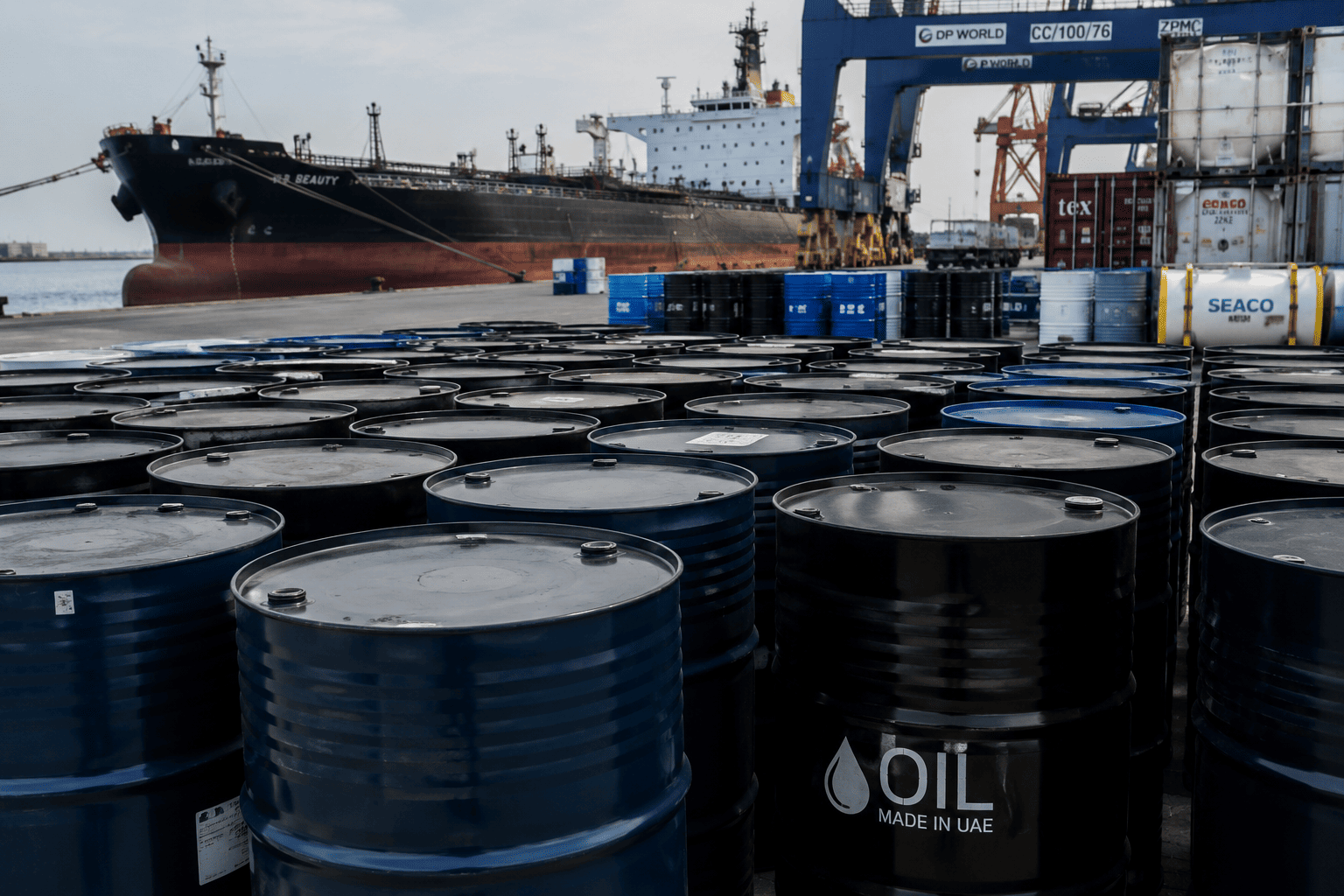
US Energy Secretary Chris Wright confirmed at the Reuters Global Energy Forum that approximately 20 million barrels of crude had exited the strait in the previous 24 hours. He stated, “we have normal flows today,” and added that the US would work to maintain oil transit even if the initial deal with Iran fails.
Wall Street’s Base Case: De-escalation
Citi has adopted de-escalation as its base case, projecting Brent could move toward the $60–$65 range over the next six to 12 months. The bank advises selling into strength rather than chasing a rebound, arguing that any summer rally should fade. This marks a clear shift from the panic pricing seen during the worst phase of the conflict.
Tamas Varga, an analyst at PVM Oil Associates, described Brent’s sharp decline as “a discernible vote of confidence” that the worst supply disruption fears are behind the market. However, Vandana Hari of Vanda Insights cautioned that the slide is “entirely sentiment-driven,” noting that traders are pricing in the best-case reopening scenario before logistical and political follow-through is complete.
Iran’s Naval Warning Adds a Layer of Uncertainty
While the tanker backlog is clearing, the IRGC Navy has issued a warning that complicates the outlook. According to Tasnim News Agency, the IRGC Navy stated that safe passage through the Strait of Hormuz is only possible via maritime routes officially declared by Iran. Vessel traffic outside those corridors would be considered dangerous and prohibited, and ships failing to follow instructions could be “dealt with.”
This is not a full closure of the strait, but it signals that Tehran intends to retain control over the world’s most important oil chokepoint. Traders are now weighing the risk of selective interdictions against the broader trend of normalizing flows.
For context, the conflict had previously driven oil prices sharply higher. In earlier stages, oil surged 4% as US-Iran strikes intensified and Strait of Hormuz traffic slowed, and Brent and WTI edged up on Hyperliquid as Iran closed the strait. The current price action represents a significant reversal of those gains.
Market Implications
The combination of resumed tanker flows and the IRGC warning creates a two-sided risk. On one hand, the physical supply overhang from trapped barrels is being released, pressuring prices. On the other, the threat of route restrictions could cap downside if logistics become disrupted again.
Citi’s base case of de-escalation suggests further downside for Brent toward $60–$65, but the IRGC’s stance introduces a wildcard. Investors should monitor whether Iran enforces its corridor threat, as that could re-freeze tanker flows and reignite the war-risk premium.
This article is for informational purposes only and does not constitute financial advice.