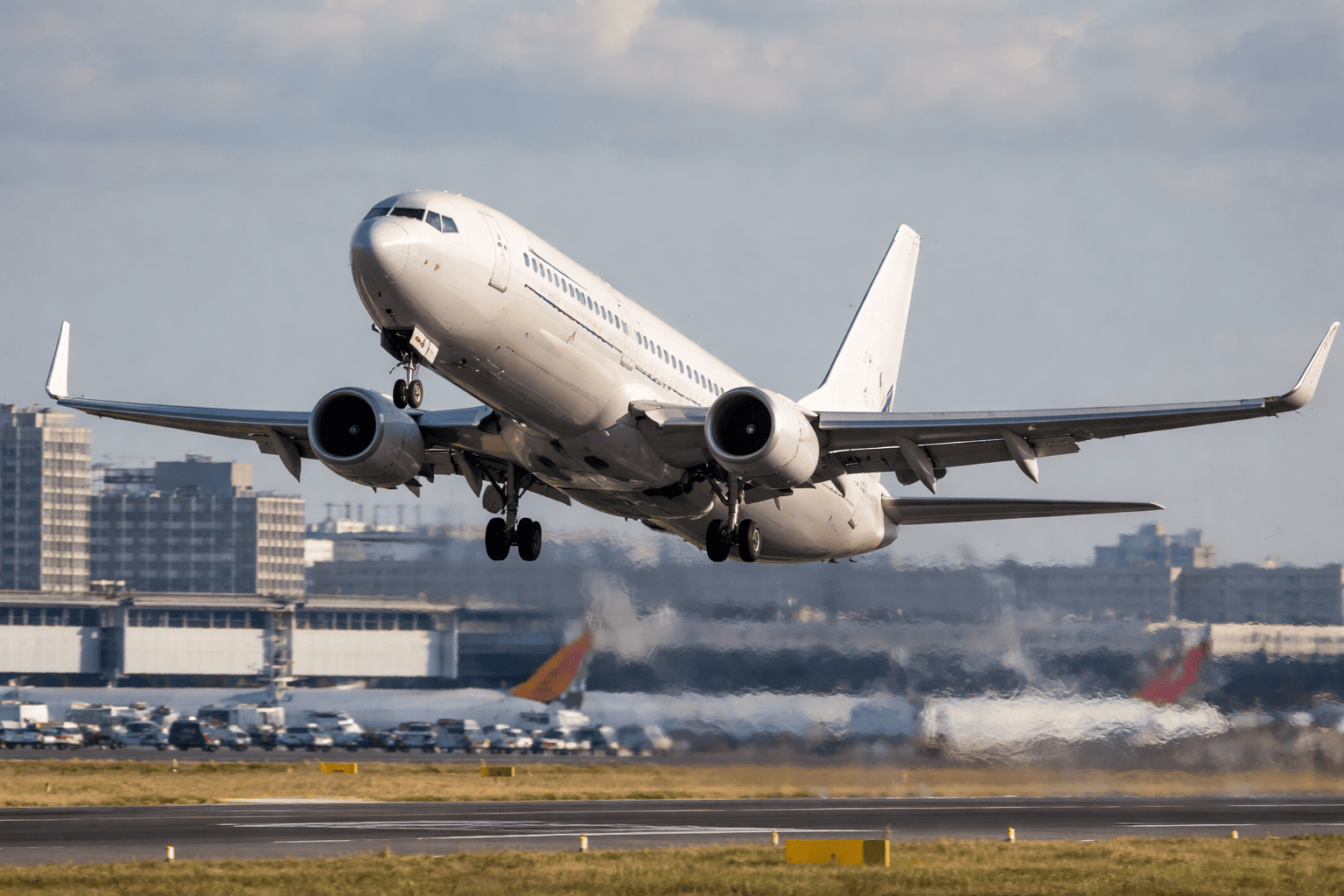
Boeing (NYSE: BA) shares extended gains Tuesday morning despite reporting a wider-than-expected fiscal second-quarter loss. Investors focused on management's reaffirmed full-year free cash flow outlook of up to $3 billion and signals that a longer-term $10 billion target may be back on the table.
CEO Kelly Ortberg told CNBC that Boeing could soon reinstate its long-term guidance for approximately $10 billion in free cash flow, a milestone the company has not achieved since before the 737 MAX grounding and pandemic disruptions. The stock is trading near where it began 2026, suggesting the market is pricing in a recovery but waiting for concrete execution.
What drove the wider Q2 loss?
The primary factor behind Boeing's larger-than-expected loss of $0.76 per share (versus the $0.30 consensus estimate) was a fresh $280 million charge on the VC-25B program, the presidential Air Force One replacement. Under the fixed-price contract signed in 2018 for $3.9 billion, Boeing must absorb all cost overruns. Ortberg noted on CNBC's Squawk Box that the company is adding engineering and production resources to complete modifications and flight testing on schedule.
Beyond the presidential jet, Boeing's Defense, Space & Security (BDS) unit continues to work through legacy fixed-price contracts that have historically weighed on profitability. However, Ortberg emphasized that BDS is stabilizing as key programs reach operational milestones, including full-rate production for the T-7 trainer jet and low-rate initial production authorization for the MQ-25 tanker. Defense revenue rose 13% year-over-year in Q2, providing a bright spot.
Why Ortberg is bullish on cash flow recovery
Ortberg's optimism hinges on clearing major regulatory hurdles for Boeing's high-demand commercial jets. Flight testing for the 737 MAX 7 and MAX 10 variants is complete, with FAA certification for the MAX 7 expected shortly and the MAX 10 later this year. Final certification work on the 777X widebody, which is seeing super strong demand from international carriers, is also progressing. Securing these approvals is critical to unlocking deliveries from Boeing's massive order backlog starting in 2027.
As regulatory uncertainty narrows and production deliveries accelerate, Ortberg believes the resulting cash flow expansion will provide the concrete proof points investors need to drive Boeing shares higher. The commercial aviation recovery is a key catalyst, similar to how Tesla's AI ambitions are seen as a growth driver in another sector.
China orders and Wall Street outlook
Another pillar of Boeing's cash flow narrative is a highly anticipated 200-aircraft commitment from China, following Ortberg's recent trip to Beijing alongside President Trump. While the headline deal represents Boeing's first major sale to Chinese carriers in nearly a decade, the initial commitment has not yet moved into firm order books. Ortberg said Boeing is navigating the standard allocation process with Chinese officials and individual airlines, expecting binding agreements to close in the coming months.
Wall Street currently rates BA stock at Overweight with a mean price target of roughly $281. The path to $10 billion in free cash flow will depend on execution across commercial, defense, and regulatory fronts. For context, broader market dynamics such as the recent Nasdaq slide highlight how sector-specific headwinds can affect investor sentiment.
Boeing's ability to convert its order backlog into deliveries and cash remains the central question for investors. The company's fixed-price defense contracts continue to be a drag, but Ortberg's confidence in regulatory approvals and the China deal suggests a clearer path to the $10 billion target than at any point in recent years.
This article is for informational purposes only and does not constitute financial advice.