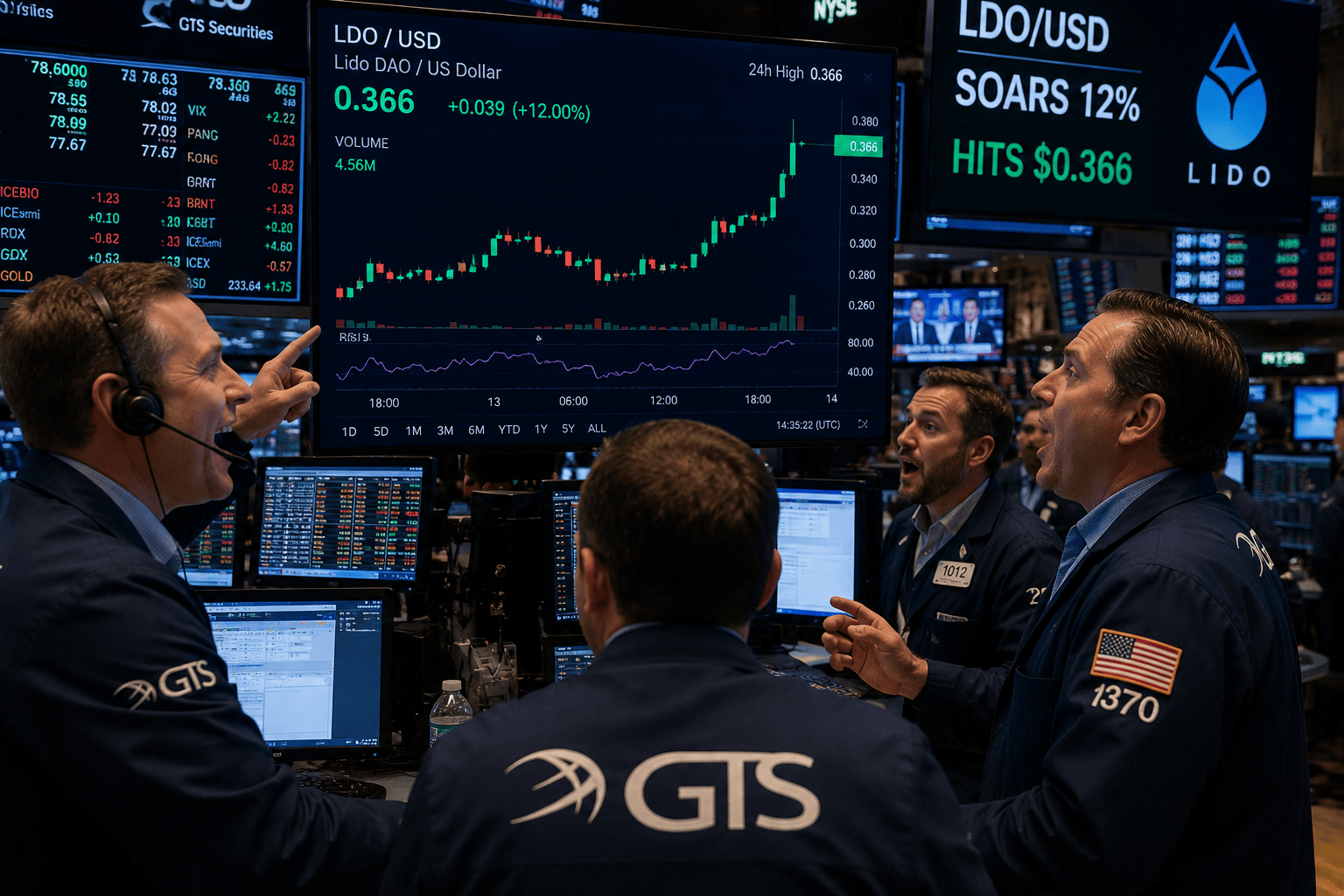
Global markets on Thursday were shaped by a mix of geopolitical tensions, renewed risk appetite, and fresh warnings from artificial intelligence leaders about cybersecurity vulnerabilities. Bitcoin reclaimed the $80,000 mark, oil prices climbed on Middle East supply concerns, and gold edged higher as investors awaited a key Federal Reserve speech.
AI firms push for stronger cyber defenses
OpenAI and Anthropic, joined by more than 100 technology and financial services organizations, issued an open letter urging governments and businesses to prioritize cyber defense against the growing threat of AI-enabled attacks. The letter called for immediate leadership attention to existing software vulnerabilities and asked cybersecurity companies to bolster defenses against AI-driven threats.
The signatories also encouraged governments to improve coordination with the tech industry when responding to potential incidents and urged leading AI companies to provide access to their technology, financial support, and training for organizations defending critical infrastructure. The push follows several recent cybersecurity incidents involving advanced AI models, including a July event at Hugging Face that OpenAI acknowledged it could have responded to more quickly.
Bitcoin returns above $80,000
Bitcoin rose as much as 2% to around $80,122, moving back above the $80,000 level for the first time since May. The rebound came alongside strength in technology stocks following Nvidia's latest results and outlook. According to Bloomberg data, US Bitcoin ETFs have attracted more than $2.6 billion over the past eight trading sessions, signaling renewed demand after months of weaker sentiment.
Bitcoin also traded at a premium on Coinbase compared with Binance for the first time in about three months, potentially pointing to stronger US demand. However, the cryptocurrency remains well below its record high of about $126,000 reached last October. The latest move follows a record liquidation of leveraged positions that helped push Bitcoin above $80,000 earlier in the week. Sustaining the level could increasingly depend on fresh buying rather than forced purchases linked to short liquidations.
Oil rises as US-Iran talks remain stalled
Oil prices gained on Thursday after Washington said it was not currently negotiating with Iran, reducing expectations of a near-term diplomatic breakthrough that could restore energy flows. Brent crude rose 2.6% to $90.14 a barrel, while West Texas Intermediate gained 1.9% to $83.81. Both benchmarks recovered after three sessions of losses as investors reassessed the prospects for increased oil supplies from the Middle East.
Traffic through the Strait of Hormuz remains restricted. Ten commodity vessels passed through the waterway on Wednesday, up from recent lows but below the 10-day average of 15 vessels, according to Kpler data. The Strait handled about one-fifth of global daily oil and liquefied natural gas supplies before the conflict began in late February. Continued restrictions have therefore kept geopolitical risks elevated for energy markets. For more on related supply dynamics, see our recent coverage on OPEC and IEA demand forecast cuts and the impact of Hormuz risk on markets.
Gold edges higher ahead of Warsh speech
Gold prices rose as the weaker US dollar supported demand for the precious metal. Spot gold gained 0.3% to $4,606.90 an ounce, while US gold futures for December delivery settled 0.18% higher at $4,661. Gold's recent rally has been supported by concerns about dollar debasement following the US Treasury's decision to increase buybacks of older, long-dated bonds. ETF and central-bank demand have also supported the market.
Investors are now awaiting Federal Reserve Chair Kevin Warsh's first address at the Jackson Hole symposium on Friday for indications about the Fed's approach to inflation and interest rates. US PCE inflation rose 3.7% in the 12 months through July, above the 3.6% economists had expected. Markets are pricing a 34% chance of a September rate hike and a 74% probability of a hike by December, according to the CME FedWatch Tool. Higher interest rates can weigh on gold because the metal does not generate interest income. Silver, platinum, and palladium also advanced on Thursday.
This article is for informational purposes only and does not constitute financial advice.