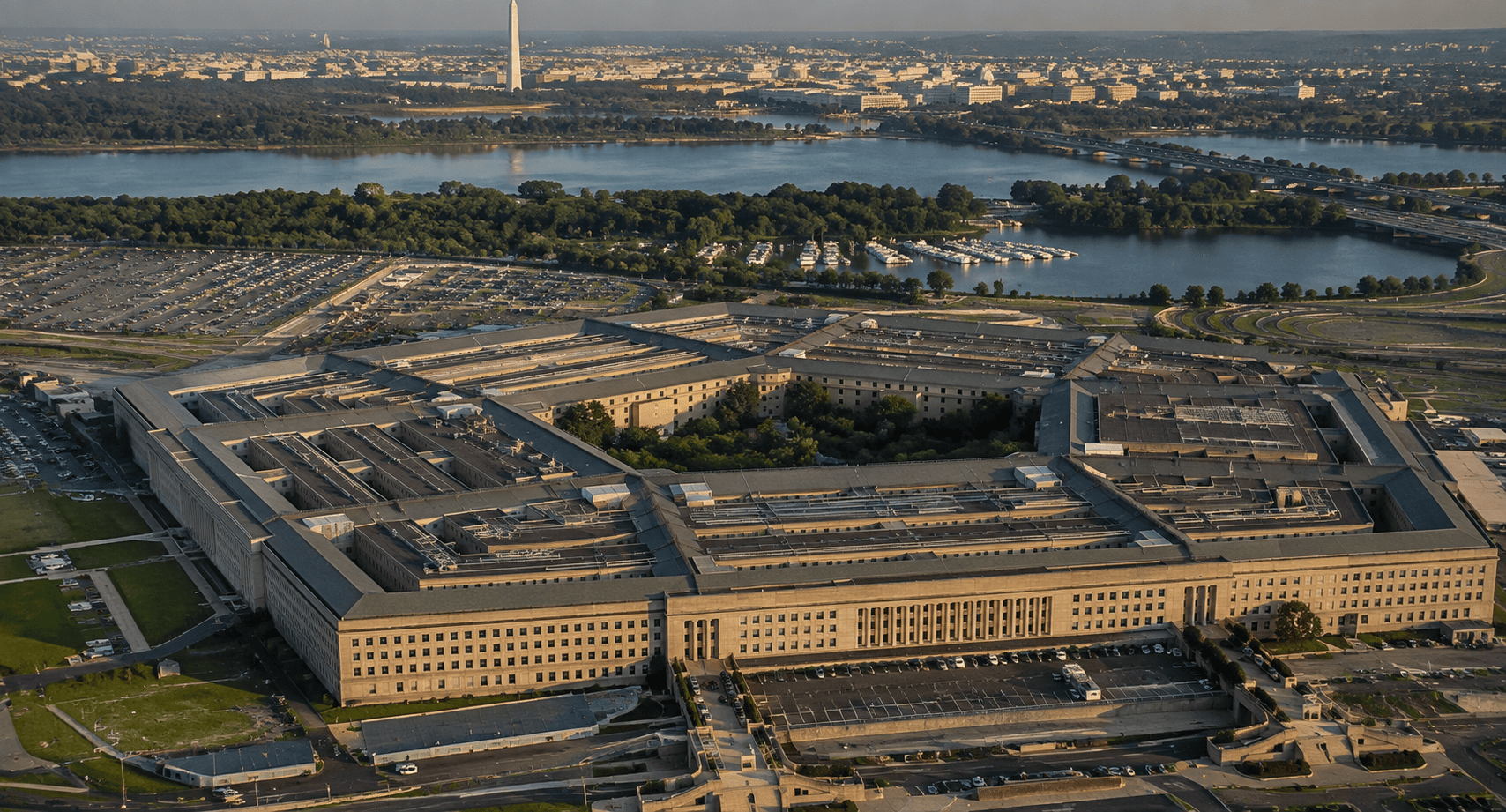
Artificial intelligence company Anthropic secured a significant legal victory on Thursday when U.S. District Judge Rita Lin ruled that the Pentagon's attempt to blacklist the firm was unlawful. The court found that Defense Secretary Pete Hegseth's actions constituted "unlawful retaliation" after Anthropic declined to remove safety guardrails that prevent its Claude model from being used in autonomous lethal weapons and domestic surveillance.
The ruling overturns the national security "supply-chain risk" designation, which had cast a long shadow over Anthropic's operations and its plans for a public offering. The 59-page decision affirms that technology developers can set ethical boundaries without facing administrative punishment, a principle that could have far-reaching implications for the AI industry.
Impact on IPO prospects
This judicial win significantly reduces a key risk factor for Anthropic as it advances toward an initial public offering. Following a May funding round that valued the company at $965 billion, market observers now speculate that an IPO could target a valuation between $1.5 trillion and $2 trillion. Such a debut would surpass historical offerings, including SpaceX's $1.77 trillion valuation.
Earlier this year, Anthropic warned that the Pentagon's designation threatened billions in potential enterprise revenue and undermined institutional confidence. With the blacklist overturned, the company can now pursue contracts with defense contractors and public-sector clients without the stigma of a security risk label.
Institutional investor appeal
The legal victory provides investment banks with a compelling narrative: Anthropic's principled stance on safety has been vindicated, turning a potential liability into a competitive advantage. Reports indicate that Anthropic's IPO strategy may allow existing shareholders to sell portions of their holdings upfront, an attractive feature for early backers.
By defending its safety protocols while opening doors to federal procurement, Anthropic offers institutional investors a rare combination of high-margin, scalable enterprise software backed by strong legal protections. This could drive significant demand during the upcoming investor roadshows, which are expected to begin in September.
Precedent for AI governance
Judge Lin's ruling establishes a landmark precedent: national security cannot be used as a blanket justification to penalize technology vendors for exercising constitutional rights. While Anthropic still faces a separate procurement proceeding in a Washington appellate court, the California decision provides the stability that underwriters and investors need.
The ruling also signals to Silicon Valley and Wall Street that setting explicit safety guardrails around frontier AI models does not preclude achieving multi-trillion-dollar valuations on public exchanges. It forces the federal government to reconsider its engagement with sovereign commercial AI labs, affirming that private tech entities cannot be coerced into abandoning safety protocols under threat of economic exile.
As rival AI firms watch closely, Anthropic's successful stand demonstrates that ethical boundaries and market dominance are no longer mutually exclusive in the race for Wall Street. The company's expanding credit line and major compute deals further underscore its financial momentum. Additionally, partnerships with enterprise giants like Salesforce highlight its commercial traction.
This article is for informational purposes only and does not constitute financial advice.