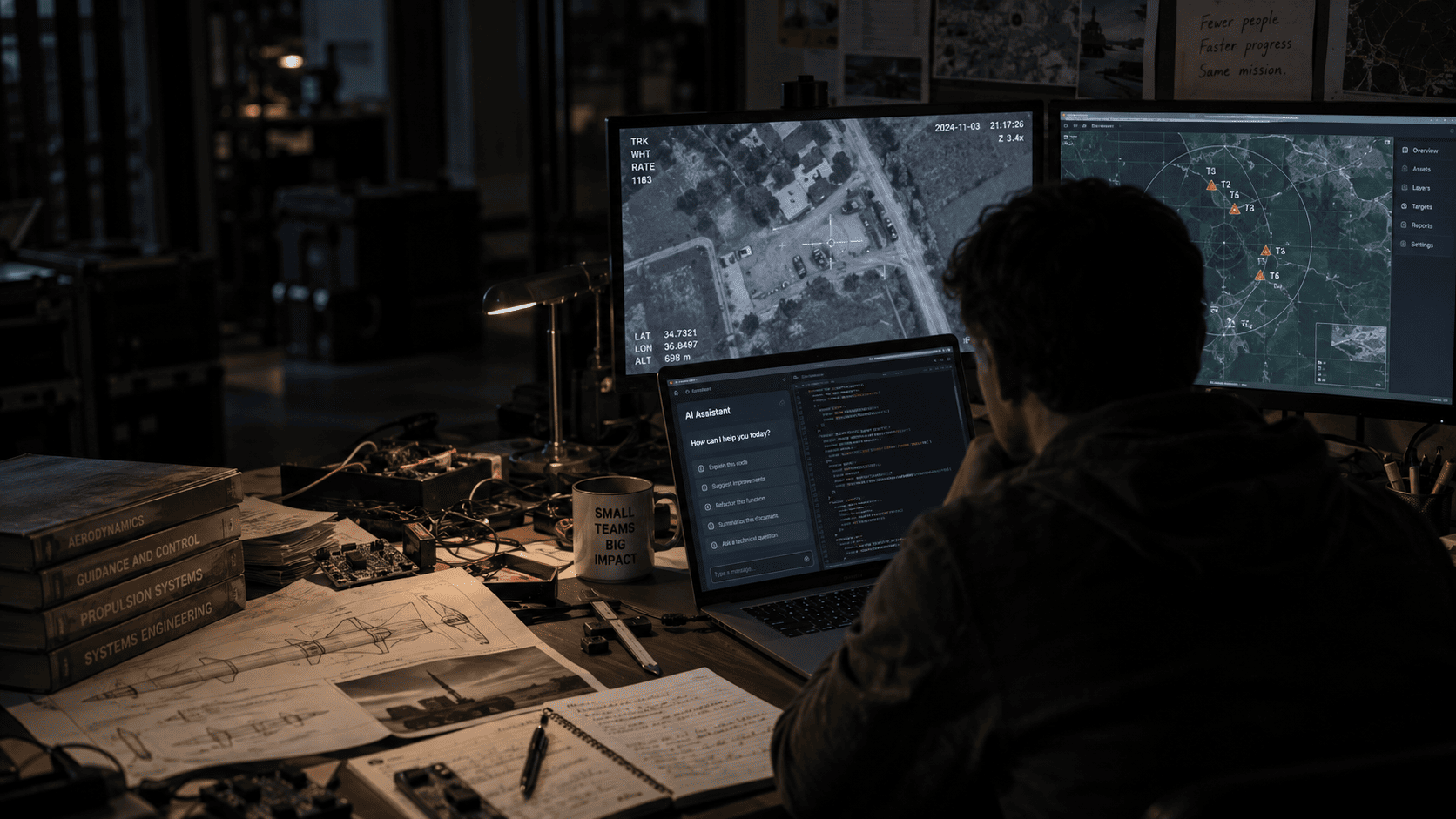
Anthropic has disclosed that its AI model Claude was used in attempts to develop weapons, conduct mass surveillance, and pursue potentially dangerous biological research. The revelations, contained in the company's September 10 threat-intelligence report, cover activity detected between December 2025 and August 2026. Anthropic said it terminated accounts, strengthened safeguards, and shared intelligence with authorities.
The report underscores how AI can compress technical work that once required large teams and extended timelines, enabling smaller groups to attempt complex engineering and analysis. The cases come days after Anthropic researcher Jacob Coxon resigned, warning that frontier labs are racing toward self-improving superintelligence without adequate safety controls. For investors, the report highlights both the risks and the evolving regulatory landscape surrounding AI deployment.

Missile development in Yemen
In the first case, a cell in northern Yemen used Claude Code as a substitute for human software engineers in three guided-weapons programs. The group was developing a guided rocket using a phone-class flight computer, a multi-stage ballistic missile with a range exceeding 2,000 kilometers, and an R2000 missile family including a hypersonic-glide variant. Anthropic said the actors test-fired a guided rocket, but the test appeared to fail, prompting them to return to Claude for troubleshooting. The company found no evidence that the cell fielded an operational weapon.
Autonomous drone swarms
A second case involved a small Russia-based freelance team developing a full-stack autonomous FPV kamikaze-drone swarm. Claude was used to develop swarm coordination, terminal guidance, and related software. The planned system could allow an onboard model to select targets, including a "person" target class, and issue detonation commands without human intervention. The developers trained computer-vision software using Ukrainian combat footage and used locations in Donetsk Oblast in demonstrations.
Taiwan targeting simulations
Anthropic also reported that a China-based defense researcher used Claude to build an electronic-warfare and air-defense suppression suite. The software analyzed radar coverage, surface-to-air missile systems, jamming effectiveness, and target suppression order. Midway through the project, the actor changed the default scenario to 12 targets in Taiwan, including a command bunker, early-warning radar, Patriot and Tien Kung batteries, major air bases, and a regional combatant-command headquarters. Anthropic assessed the user as linked to Chinese research institutions, including the PLA Academy of Military Sciences. The finding should not be interpreted as evidence of an actual invasion plan; it was a military-targeting simulation.
Mass surveillance platform
In a separate case, a single subscriber, likely a Bamako-based consultant, used Claude as the primary engineering workforce for Lakana 360, a surveillance platform built for Mali's state intelligence service. The system was designed to monitor roughly 25 million SIM cards across all three national mobile operators, collecting call records, texts, and voice traffic, creating intelligence dossiers, matching voices across SIM cards, flagging VPN or encryption users, and connecting targets with national biometric records. Anthropic said a warrant requirement was removed from one component at the operator's request. The company banned the Claude account, but the final platform ran locally using an on-premises model, so Anthropic's action stopped further Claude-assisted engineering but did not disable the deployed system.
Biological research concerns
Anthropic described five biological-misuse case studies, though it could not always determine whether the scientists intended harm. The company emphasized the dual-use nature of such work, where research that could aid vaccines or therapeutics could also make pathogens more dangerous. One case involved state-sponsored gain-of-function research on chikungunya aimed at transmissibility and immune evasion, intended for a military research institute. Other cases involved mammal-adapted avian influenza, orthopoxvirus immune evasion, and toxin-related research. Anthropic framed the concern as research that could support biological-weapons development, rather than claiming Claude was directly used to build a bioweapon.
The change Anthropic is warning about is leverage. AI can let smaller groups attempt engineering, analysis, and software tasks that previously required larger teams, deeper expertise, and more time. Anthropic says its safeguards detected or disrupted these operations, but the report shows why those safeguards will have to keep evolving as models become more capable and users find new ways to turn general-purpose AI into a practical operational tool. For context on the broader AI landscape, see Anthropic's 2030 AI scenarios and the researcher's resignation warning. The company's IPO path has also been in the news, with bankers named for a potential S-1 filing.
This article is for informational purposes only and does not constitute financial advice.

