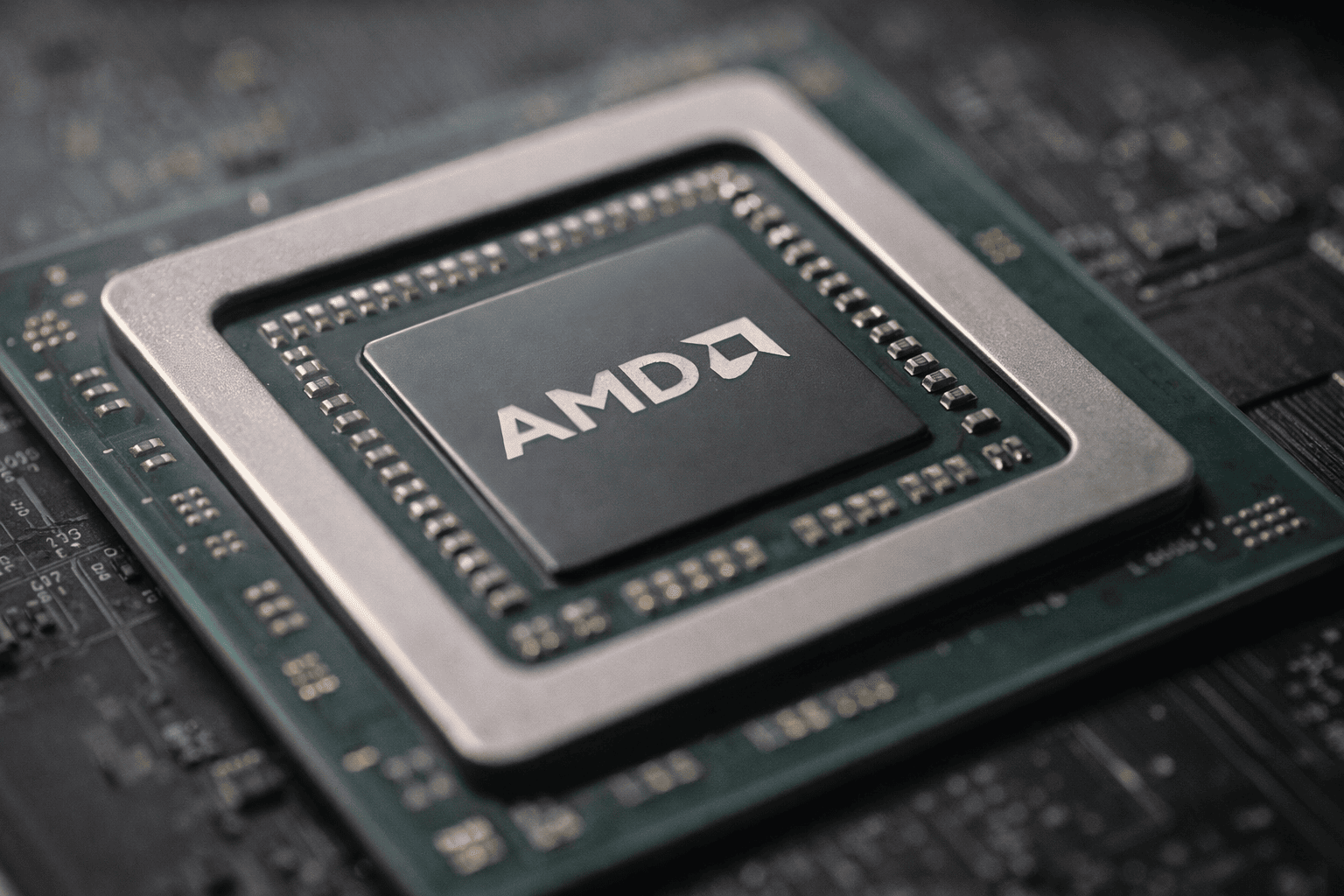
Semiconductor stocks faced another day of pressure on Wednesday, with major players like Intel and Advanced Micro Devices extending their recent losses as a broader selloff in the chip sector deepened. The decline, now in its fourth consecutive session, has erased roughly 10% from chip stocks this week, fueled by growing investor skepticism over the massive capital expenditures tied to artificial intelligence and intensifying competition from Chinese chipmakers.
Intel shares dropped 2.2%, marking a sixth straight session of declines, while AMD fell 3.3%, extending its losing streak to five sessions. The Philadelphia Semiconductor Index has now slid 25% from its June 22 peak, reflecting a sharp reversal in sentiment for a sector that had been a market leader for much of the past year.

AI spending under scrutiny
The selloff comes as investors increasingly question whether the billions of dollars flowing into AI infrastructure will generate sufficient returns. Concerns have been amplified by reports of Chinese chipmakers gaining ground, including the recent IPO of CXMT, which sparked a broader semiconductor rout. The uncertainty has weighed heavily on names like Nvidia, which also dipped amid the broader weakness, as noted in our coverage of Nvidia's recent decline.
Despite the market's pessimism, some analysts argue the correction is more about shifting sentiment than deteriorating fundamentals. Truist Securities sees the pullback as a potential entry point for long-term investors, citing "effervescent" feedback from industry contacts. According to analyst William Stein, buyers of AI infrastructure are increasingly placing larger purchase orders with longer contract durations, signaling sustained demand across the supply chain. "We acknowledge this situation can change quickly, but for now, supply chain signals remain effervescent," Stein wrote.
Truist recommends core AI suppliers like Nvidia, AMD, Broadcom, and Monolithic Power Systems for higher-risk tolerance investors, while favoring Arrow Electronics, Avnet, Belden, and Sensata Technologies for lower-risk exposure.
AMD valuation and Intel turnaround in focus
Not all analysts share the upbeat view. Seeking Alpha has maintained a Sell rating on AMD, arguing that the stock's valuation has become stretched despite strong operating performance. AMD reported 37.8% revenue growth and 253% free cash flow growth in the first quarter of fiscal 2026, but its price-to-earnings ratio of 181 times and price-to-free-cash-flow ratio of 106 times imply growth expectations that may be unsustainable. The analysis notes that analyst forecasts require AMD to expand its bottom line by roughly 32% annually for a decade, while risks in its Client, Gaming, and Data Center segments loom, particularly if AI demand expectations prove overly optimistic.
Intel, meanwhile, continues to grapple with its multi-year turnaround strategy. Investor concerns have intensified following reports that the rollout of its 18A process technology is progressing slower than expected. Lower-than-target manufacturing yields could delay high-volume production for external foundry customers, undermining Intel's efforts to regain process leadership. The uncertainty surrounding its foundry business has added to caution, as the broader semiconductor sector remains under pressure. For more on the memory chip rout, see our analysis of whether this is a cyclical trough or a longer slide.
Broader market context
The selloff is not isolated to U.S. chipmakers. Asian semiconductor stocks, including SK Hynix and Samsung, have also extended losses, raising questions about how much further chip stocks can fall. The Kospi tumbled 11% and the Nikkei slid 3% as AI hype met earnings reality, highlighting the global nature of the downturn. Meanwhile, the DRAM ETF has slid 43% despite record inflows, as major players like SK Hynix, Micron, and SanDisk tumble.
As the sector navigates this correction, investors are weighing the potential for a rebound against the risk of further downside. While some see the pullback as a buying opportunity, others caution that valuation concerns and competitive pressures could persist, particularly if AI spending fails to deliver the expected returns.
This article is for informational purposes only and does not constitute financial advice.