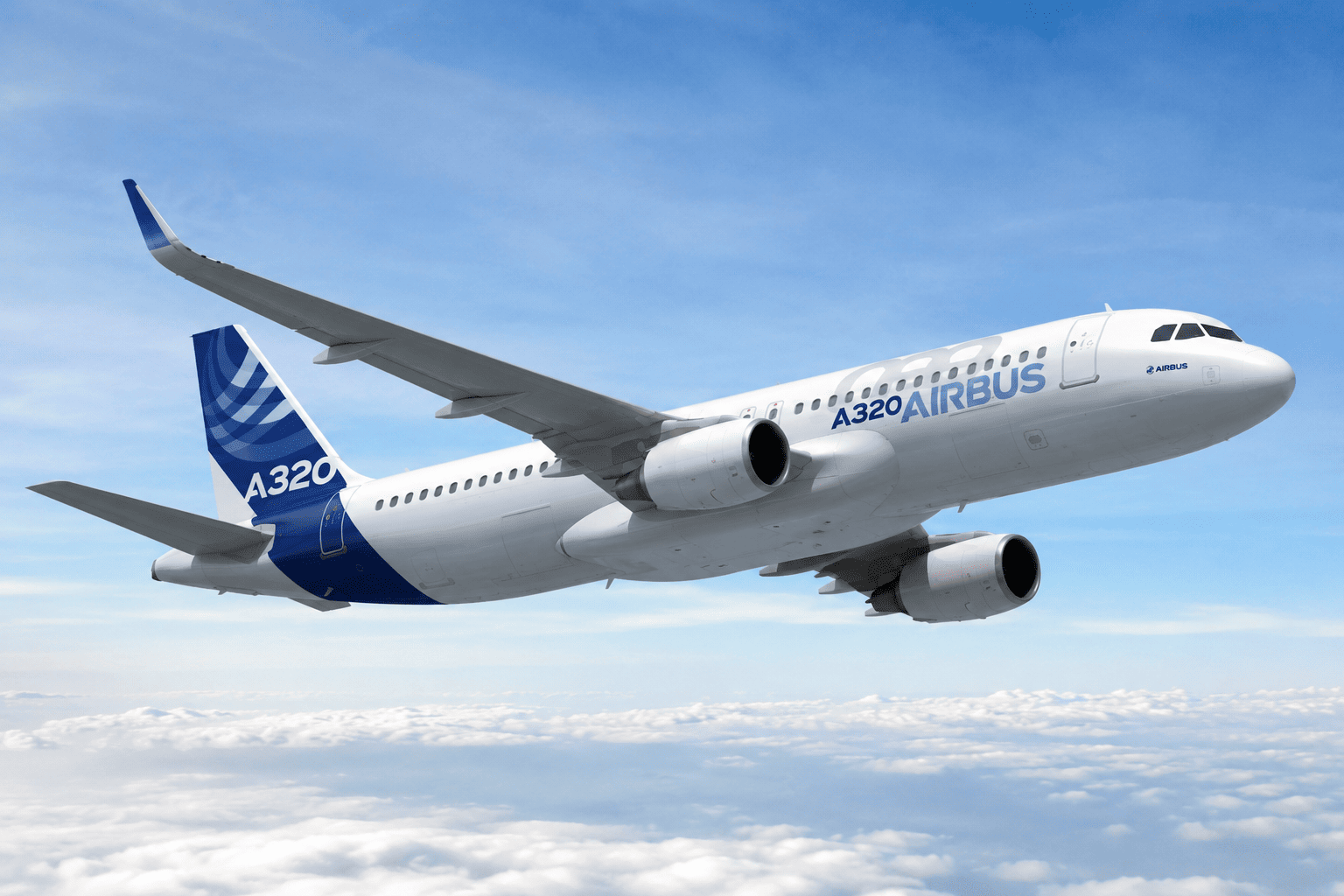
Airbus shares rallied more than 7% on Wednesday after the European aerospace giant announced a €5 billion ($5.7 billion) share buyback program and set ambitious medium-term financial targets, signaling confidence in sustained demand and easing supply-chain constraints.
The company now expects adjusted earnings before interest and taxes (EBIT) to reach between €12 billion and €13 billion by 2029, nearly double the €7.13 billion reported in 2024 and well above its previous 2026 target of €7.5 billion. The new roadmap reflects robust demand for both commercial and military aircraft, as well as improving production conditions.

Buyback and Profit Targets Drive Investor Enthusiasm
The €5 billion three-year share buyback program was a key catalyst, underscoring management's confidence in long-term cash generation. Deutsche Bank analyst Christophe Menard called it a "positive surprise," while J.P. Morgan noted that the buyback sends a strong signal of commitment to shareholder returns, even if some investors had hoped for a larger program.
Airbus expects its commercial aircraft division alone to generate around €10 billion in operating profit by 2029, supported by sustained global airline demand and production growth. The company also reaffirmed its long-term production plans, targeting 70-75 A320-family aircraft per month by the end of 2026, 13 A220s per month by 2028, five A330s per month in 2029, and 12 A350 wide-body jets per month by 2028.
Deliveries Recover as Supply-Chain Pressures Ease
After a difficult start to the year due to engine shortages and broader supply-chain bottlenecks, deliveries have accelerated. Airbus handed over 351 commercial aircraft in the first half of 2025, a 15% increase year-over-year. The company maintained its guidance to deliver around 870 aircraft in 2026, implying roughly 10% growth from the prior year.
CEO Guillaume Faury noted that supply-chain conditions have improved considerably, though challenges remain. "We have the supply chain in a much better place. We're still having issues here and there that will probably continue as we continue to go higher, but it's in a much better place in the years going out of COVID," Faury told reporters.
Analysts See Further Upside
Several brokerages argued that Airbus' new financial targets could still prove conservative. Jefferies and Citi analysts pointed to continued strength in wide-body aircraft demand and improving prospects for the defense and space business, partly supported by higher German defense spending, as potential sources of additional earnings upside.
Barclays reiterated a Buy rating with a €220 price target, above the current trading level of around €208. Earlier this month, Goldman Sachs raised its 12-month target price to €240 from €230, citing expectations for a recovery in commercial aircraft deliveries as bottlenecks affecting A320 fuselage panels ease. The brokerage also noted that delayed deliveries to Chinese customers from the first quarter are expected to support stronger second-quarter performance.
According to market data, Airbus currently carries a Strong Buy consensus among analysts, with an average price target implying further upside from current levels. The combination of improving deliveries, easing supply-chain constraints, higher shareholder returns, and ambitious long-term earnings targets has reassured investors that Airbus is well positioned to capitalize on robust demand across both commercial aviation and defense sectors.
For context, the broader market has seen mixed signals recently. While Ryanair's Q1 profit plunged 34% due to lower fares and fuel costs, Airbus' outlook stands in contrast, driven by structural demand for new aircraft. Meanwhile, Tesla stock nears key support as competition intensifies, highlighting the divergent fortunes across sectors.
This article is for informational purposes only and does not constitute financial advice.