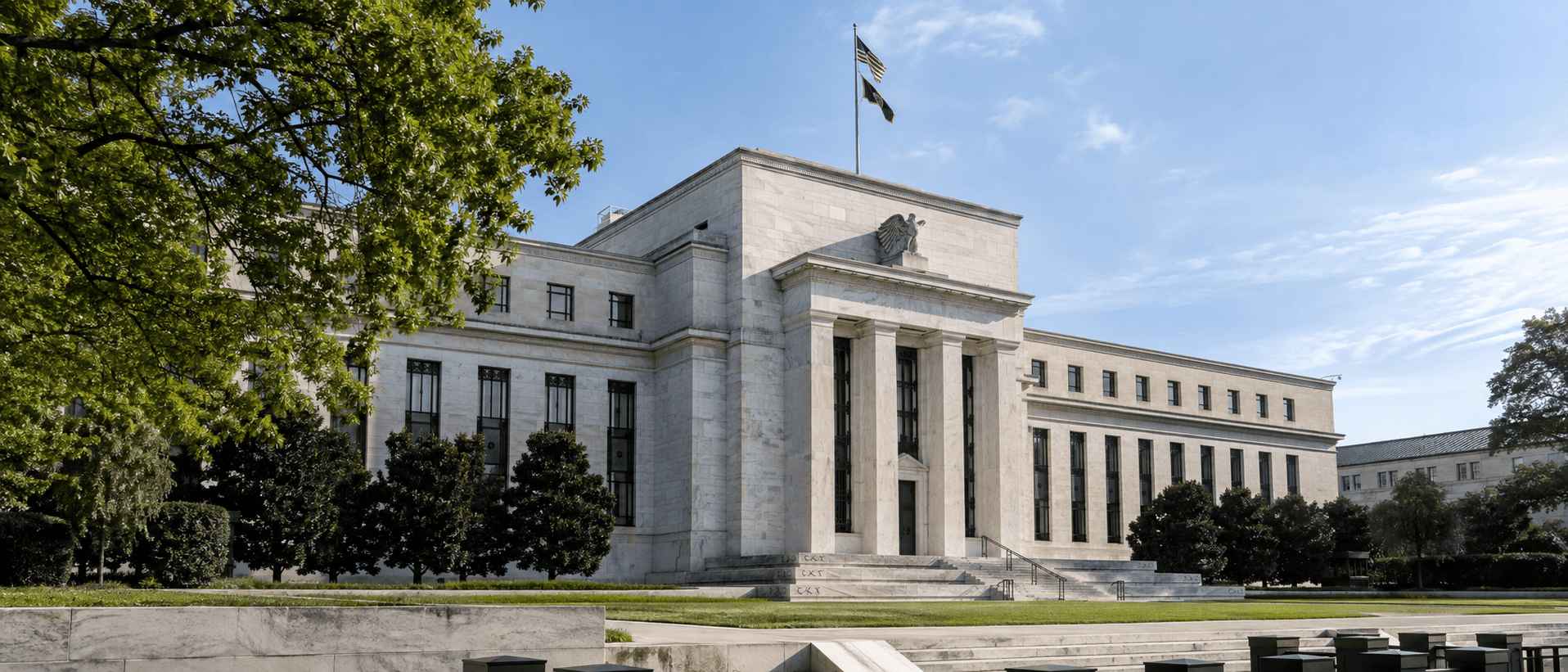
As the Federal Open Market Committee prepares to conclude its September 15–16 meeting, interest rate futures indicate an 85% probability of a 25 basis point hike. This shift follows two consecutive months of hotter-than-expected core CPI data and a hawkish tone from Chair Kevin Warsh at Jackson Hole, which have effectively dashed hopes for easing.
While higher borrowing costs typically pressure equities, a rate increase could actually boost earnings for a select group of specialty finance firms. These companies, which hold predominantly floating-rate assets and well-structured liabilities, are structurally positioned to benefit from rising rates. Among the names experts highlight are Ares Capital (ARCC), Starwood Property Trust (STWD), and Ladder Capital (LADR).

Ares Capital: Floating-rate dominance
Ares Capital, the largest publicly traded business development company, focuses on private middle-market corporate borrowers. Its $29.3 billion investment portfolio is 71% floating-rate, meaning loan income resets upward almost immediately with each Fed tightening. In the second quarter, the firm originated 94% of its $2.6 billion in new debt commitments at variable rates, underscoring its sensitivity to higher rates.
On the liability side, Ares uses fixed-rate debt to lock in borrowing costs, preserving net interest spreads as asset yields expand. This structural match has supported 17 consecutive years of stable or growing dividends, with the current yield at a hefty 9.7%.
Starwood Property Trust: Commercial real estate exposure
Starwood Property Trust, with a $32.2 billion portfolio, is the premier commercial real estate mortgage REIT. Its business spans commercial lending, owned properties, and infrastructure finance. The firm's balance sheet is heavily weighted toward variable-rate contracts: 97% of its $17.3 billion commercial loan book and 96% of its $3.6 billion infrastructure book adjust with prevailing reference rates.
A 25 basis point hike would immediately translate into higher interest collections from institutional borrowers. With over a decade of uninterrupted dividends, Starwood's current 12.3% yield is supported by a lending book engineered to capture yield expansion while protecting book value.
Ladder Capital: Short-term bridge loans
Ladder Capital, holding $5.8 billion in assets, is a commercial mortgage REIT specializing in short-term floating-rate bridge loans for properties undergoing renovation or lease-up. First-mortgage loans make up 49% of its investment base, complemented by a 33% allocation to commercial mortgage-backed securities and 18% in direct real estate equity.
The firm actively rebalances between senior loans and high-grade securities, targeting a flexible 65% loan and 20% securities allocation. Because short-term bridge debt resets quickly following FOMC policy changes, Ladder stands to generate expanding interest income while maintaining a 9.6% dividend yield ahead of the September 16 decision.
Investors should note that these firms are not purely directional plays on rates; their structural resilience makes them attractive allocations in a rising-rate environment. However, as with any investment, risks remain, including credit quality and market conditions.
This article is for informational purposes only and does not constitute financial advice.

