The United States has claimed the title of the world's largest oil exporter, surpassing traditional leaders Saudi Arabia and Russia for the third consecutive month in May 2026, according to ship-tracking data from Vortexa. US exports of crude and refined fuels reached approximately 10.5 million barrels per day (bpd), compared to Russia's 7 million bpd and Saudi Arabia's 5.9 million bpd. This milestone represents a dramatic reversal from the 1973 Arab oil embargo, when the US faced severe energy vulnerability, and underscores the transformative impact of the shale revolution and ongoing geopolitical tensions.
Shale Revolution and Policy Changes Fuel Growth
The US energy landscape began shifting after 2010, as shale oil and gas production surged, making the country the top gas producer and later the top oil producer. The lifting of a 40-year export ban in 2015, a relic of the 1973 embargo, allowed US crude to reach global markets. Unlike OPEC nations where governments control output, the US boom is driven by private companies responding to market signals. Kenneth Medlock III, a fellow in Energy and Resource Economics at the Baker Institute for Public Policy, noted that this dynamic acts as a market-based stabilizer, similar to OPEC's spare capacity but through natural economic mechanisms.
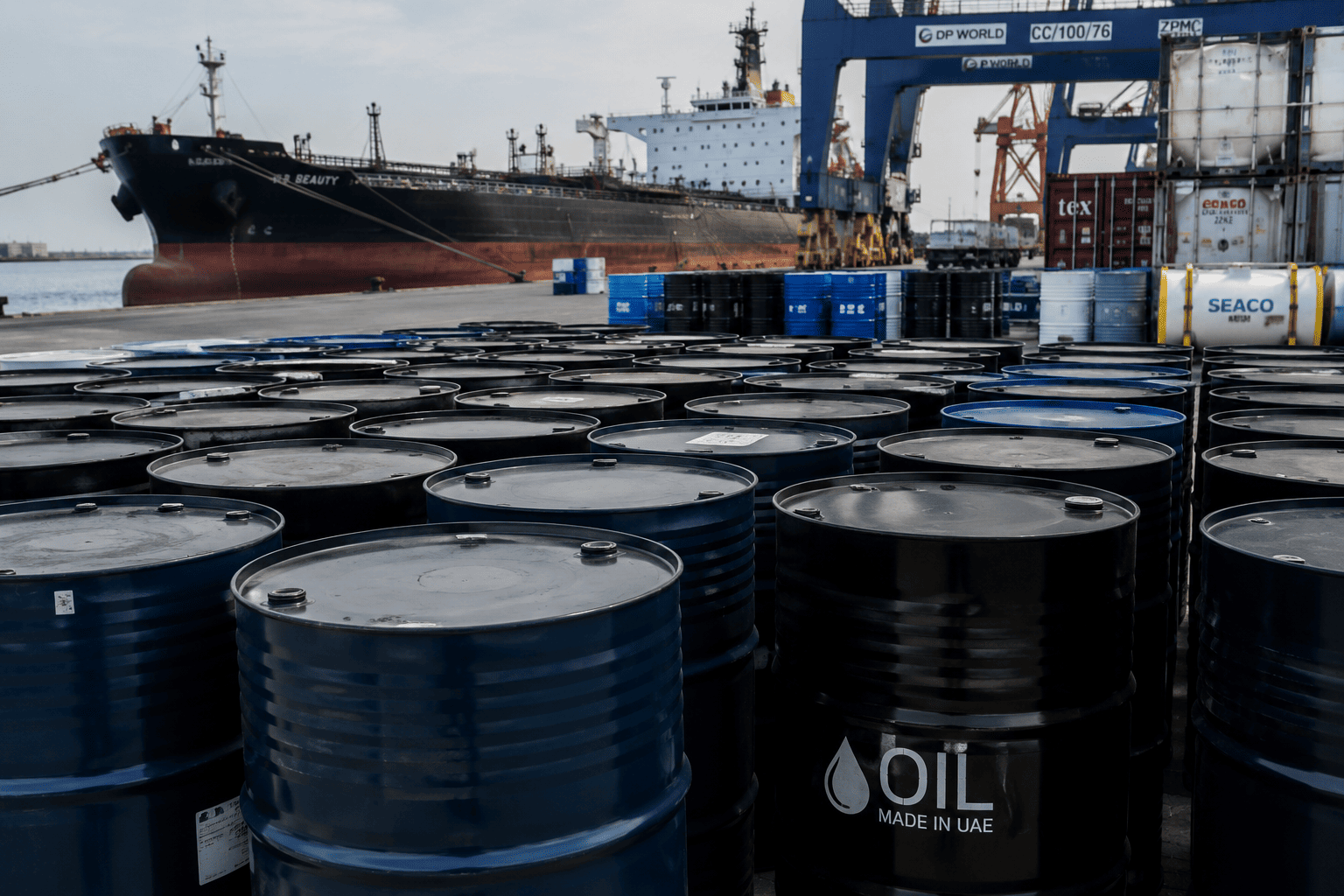
The rapid rise in US exports has been accelerated by disruptions to Saudi and Russian supplies due to the ongoing US-Iran conflict, Ukrainian attacks, and sanctions. For context, just a year earlier, Saudi Arabia exported about 8.1 million bpd, while the US shipped 6.6 million bpd. The US has also become a key supplier to Europe, which now takes about 47% of US oil exports, up from 37% in 2021, while Asia's share has grown significantly. However, some EU officials have expressed concerns about over-reliance on American energy supplies amid trade tensions.
Geopolitical and Market Implications
The US's new export dominance provides Washington with significant geopolitical leverage. Michelle Brouhard, head of policy at ship tracking firm Kpler, described energy exports as a new tool for Washington, particularly amid the Iran conflict. This shift also weakens OPEC+ pricing power, as President Donald Trump has long criticized the group for market manipulation. The cartel faced a setback in May when the United Arab Emirates exited after nearly 60 years of membership. The US energy sector's flexibility—increasing output when prices rise and cutting back when they fall—offers a natural stabilizing effect on global markets, contrasting with state-controlled production in other major producers.
US crude and liquids output has nearly tripled since 2000 to around 22 million bpd, while Saudi and Russian production have been far less dynamic. Global oil demand grew from 87 million bpd in 2010 to 104 million bpd last year, with the US meeting much of that increase. This energy independence and export strength enhance US national security and economic influence, reshaping global alliances as countries increasingly look to American supplies amid Middle East instability. For more on related geopolitical impacts, see US Ends Sanctions Waivers for Iranian and Russian Oil, Tightening Global Supply.
Long-Term Significance and Investor Takeaways
The transformation from embargo victim in 1973 to dominant exporter in 2026 represents one of the most significant shifts in global energy history, driven by technology, private enterprise, and timely geopolitical circumstances. As the Iran conflict continues, the US position as the world's swing supplier appears firmly entrenched for the foreseeable future. Investors should monitor how this shift affects energy sector dynamics, including potential impacts on companies like Devon Energy, which recently saw shares surge on integration progress (see Devon Energy Shares Surge 6% as Analysts Applaud Coterra Integration Progress). Additionally, the broader market implications for commodities and ETFs are worth tracking.
This article is for informational purposes only and does not constitute financial advice.