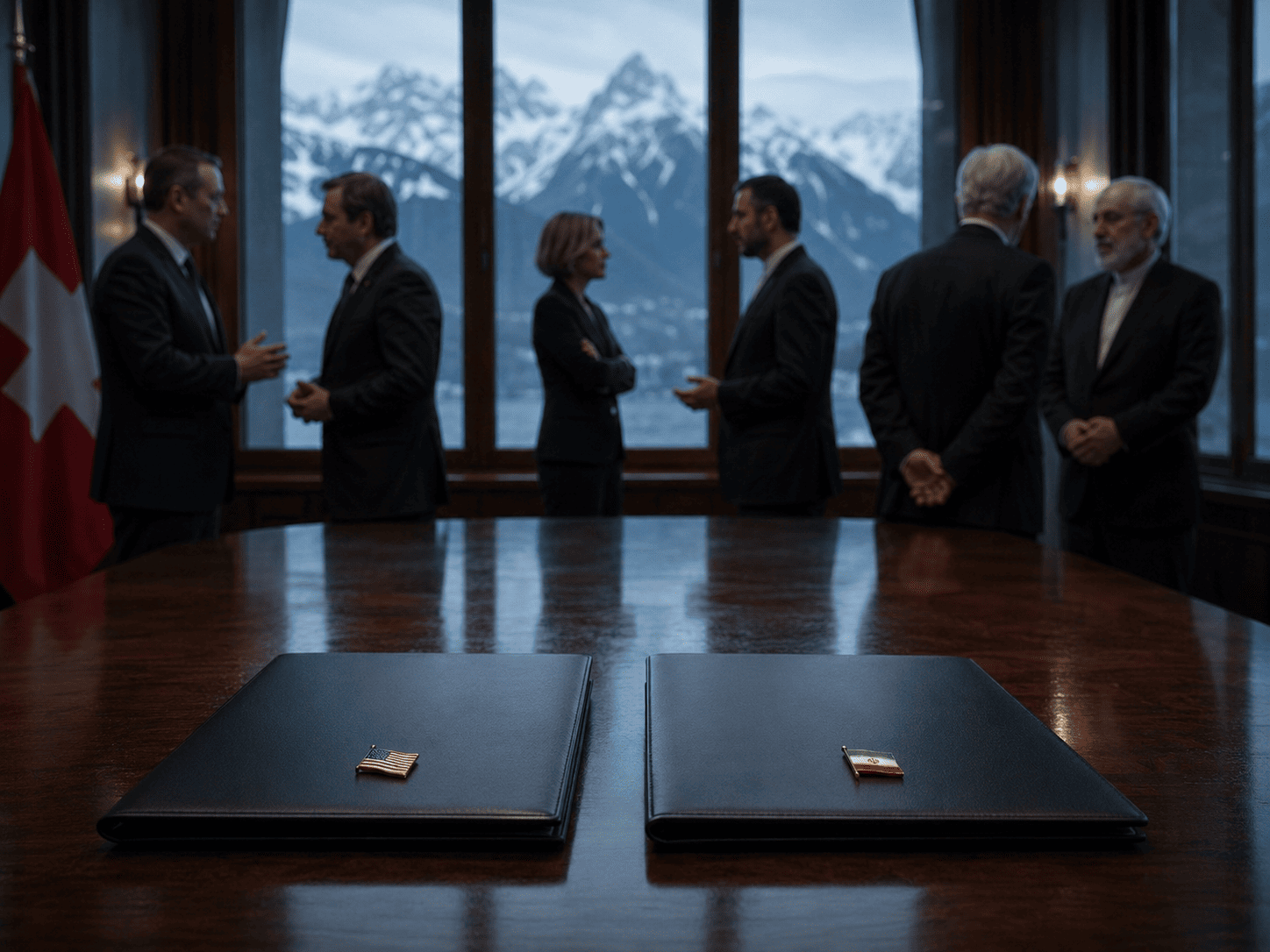
The United States and Iran have signed a 14-point memorandum of understanding (MOU) aimed at ending over 100 days of hostilities and restoring navigation through the Strait of Hormuz. The agreement establishes a 60-day negotiation window to resolve the most contentious issues, including sanctions, nuclear restrictions, and frozen assets.
Ceasefire Framework and Israel's Position
The first clause of the MOU calls for an immediate and permanent cessation of military operations on all fronts, including Lebanon. Both Washington and Tehran commit to respecting each other's sovereignty and refraining from the threat or use of force. However, Israel has explicitly stated it is not a party to the agreement. Prime Minister Benjamin Netanyahu has indicated Israel will maintain forces in southern Lebanon and preserve freedom of action against Hezbollah. Dan Shapiro, former US ambassador to Israel and now an Atlantic Council fellow, described this as a stark divergence of interests. The result is a ceasefire framework with immediate market significance but not a comprehensive regional settlement.
Sanctions, Frozen Assets, and Oil Relief
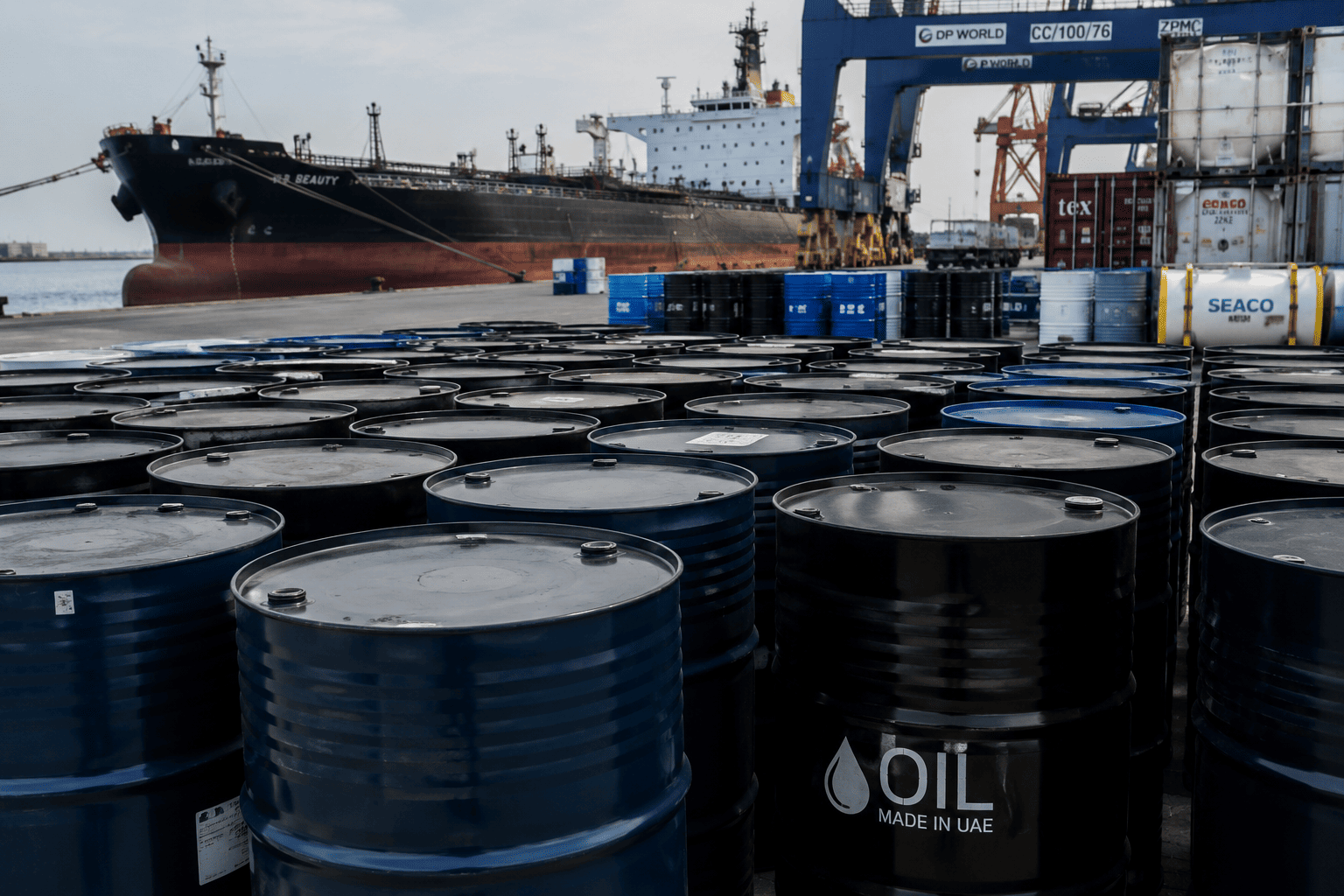
The economic core of the MOU involves a US commitment to work with regional partners on a reconstruction and development plan worth at least $300 billion. The US also pledges to terminate sanctions on an agreed schedule as part of the final deal. Timing is critical: broad sanctions relief is not immediate but tied to the 60-day negotiations. However, the MOU states that the US Treasury will issue waivers for Iranian crude oil, petroleum products, and related banking, insurance, and transport services once the agreement is implemented. This has already impacted oil markets, with Brent and WTI easing as investors price out some of the war premium. Frozen assets remain a point of contention. Iran seeks early economic benefits to demonstrate the deal's value, while Washington insists on verification first, particularly regarding enriched uranium and nuclear monitoring. US Vice President JD Vance confirmed that no funds were released for signing the deal.
Strait of Hormuz Reopens, Nuclear Question Lingers
The Strait of Hormuz, a critical oil chokepoint, is the clearest near-term market channel. Iran has agreed to use its best efforts to ensure safe, toll-free passage for commercial vessels for 60 days and to restore traffic levels within 30 days. Further talks with Oman and Gulf states will address long-term maritime administration. This is a major relief signal for energy markets, as the war had turned shipping risk into inflation risk. However, reports of drone activity near commercial vessels after the MOU suggest conditions have not fully normalized. The nuclear language remains fragile. Iran reaffirms it will not procure or develop nuclear weapons, but this is not a new concession. The MOU states the sides will resolve the stockpile of enriched material through a mutually agreed mechanism, with down-blending on site under IAEA supervision as the minimum method. The harder question of Iran's enrichment rights and limits is deferred to the 60-day talks, making the MOU a de-escalation document rather than a nuclear settlement.
For markets, the immediate takeaway is reduced tail risk around Hormuz and Iranian oil exports. Investors should monitor the 60-day negotiations for further developments. Related market movements include the Dow's 204-point gain on US-Iran talks and the surge in chip stocks on peace optimism. Additionally, UK bank stocks rose on the ceasefire, and the Dow added 353 points on Iran deal optimism.
This article is for informational purposes only and does not constitute financial advice.