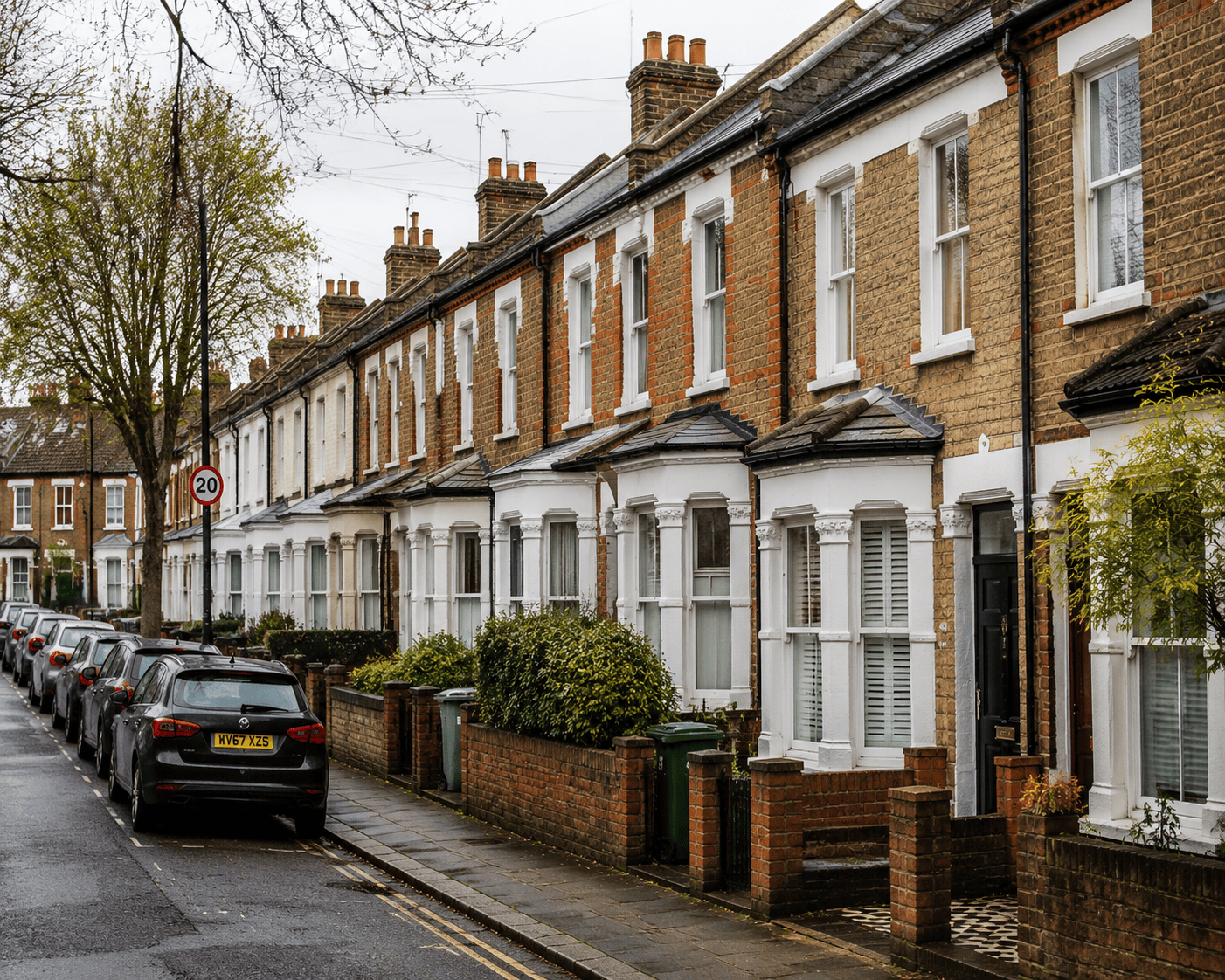
The Office for National Statistics (ONS) reported that UK house prices rose 3.8% year-on-year in April 2026, marking the strongest annual growth since March 2025, before Stamp Duty Land Tax changes took effect. This compares with a revised 0% annual growth in March 2026, signaling a notable acceleration in the housing market.
On a monthly basis, average UK house prices increased by 0.7% between March and April 2026, a stark contrast to the 2.9% decline recorded during the same period a year earlier. The ONS cautioned against overinterpreting a single month's data, noting that the UK House Price Index is based on completed transactions, which typically take six to eight weeks to finalize.

Average Property Value Reaches £270,000
The annual increase brought the average UK property value to £270,000 in April 2026. While the monthly rise of 0.7% suggests continued upward momentum, the ONS emphasized that housing market indicators often fluctuate month to month, advising investors to focus on longer-term trends.
Transaction Volumes Remain Elevated
Separate data from the UK Property Transactions Statistics showed that residential property transactions valued at £40,000 or more stood at 101,000 on a seasonally adjusted basis in April 2026. This represented a 53.2% surge compared with April 2025, though volumes eased 2.3% from March 2026. The elevated transaction levels indicate sustained demand, even as monthly activity moderates.
For context, the broader economic backdrop includes recent UK GDP growth of 0.6% in Q1 2026, driven by services, though household income has declined. This mixed picture may influence future housing market dynamics.
Regional Divergence Persists
Regional data revealed significant variation across England. House prices in England rose 0.6% on average between March and April 2026, with annual growth of 3.9% pushing the average property value to £291,000. London recorded the largest monthly increase among English regions at 1.9%, but its annual growth was the weakest, with prices declining 2.1% year-on-year. In contrast, the North East posted the strongest annual performance, with a 9.9% increase, while the South East experienced the largest monthly decline of 0.3%.
These regional disparities highlight the uneven recovery, with northern areas outperforming southern regions on an annual basis. Investors may find opportunities in areas with stronger price momentum, though caution is warranted given the variability.
Rental Growth Continues to Moderate
The ONS also reported that average UK private rents increased by 3.3% in the year to May 2026, down from 3.5% in the 12 months to April. This marks the smallest annual rise since March 2022, suggesting a cooling rental market. The moderation in rental inflation could ease pressure on tenants but may also signal a shift in landlord sentiment.
Looking ahead, the housing market faces headwinds from elevated interest rates and economic uncertainty. The recent FTSE 100 rise was partly offset by housebuilder weakness, reflecting investor caution. Meanwhile, sterling's recent strength may impact foreign investment in UK property.
This article is for informational purposes only and does not constitute financial advice.