Tesla's third-quarter results beat Wall Street expectations on Wednesday, with adjusted earnings per share of $0.48 surpassing the $0.43 consensus estimate. Revenue came in at $28.05 billion, slightly above the $27.88 billion analysts had projected, though it was marginally lower than the $28.10 billion reported in the same period last year.
The electric vehicle maker delivered 486,532 vehicles during the quarter, exceeding the roughly 461,100 that analysts had anticipated. However, that figure still represented a decline of about 2% year over year. Production totaled 464,391 vehicles, meaning deliveries outpaced output by more than 22,000 units for the second straight quarter, helping to reduce inventory levels.
Model 3 and Model Y accounted for nearly all deliveries, while other models—including the Cybertruck—contributed 8,295 units, down from 12,364 in the second quarter. Tesla has halted production of the Model S and Model X at its Fremont facility as it prepares to replace those lines with its first large-scale Optimus humanoid robot production line.
The company's core automotive business continues to face intensifying competition from rivals introducing newer and often cheaper electric vehicles. In response, Tesla has rolled out lower-priced versions of the Model 3 and Model Y and launched a six-seat Model Y in the United States in July.
Capital Expenditure and Cash Flow
Tesla reported capital expenditure of $4.73 billion in the third quarter, well below the approximately $7.5 billion that analysts had expected. That was down from $5.79 billion in the previous quarter but up from $2.25 billion a year earlier. Free cash flow reached $1.53 billion, compared with expectations for a cash outflow of $4.92 billion.
These figures offer some relief as investors weigh Tesla's plans to increase investment in artificial intelligence, robotics, and autonomous driving. The company had targeted capital expenditure of $25 billion for the year and secured $30 billion in loans and credit lines to support its growth initiatives.
Energy Storage Growth and Tariff Warning
Tesla's energy storage business has become an increasingly important contributor, benefiting from demand for grid-scale batteries from renewable energy developers and data centers. However, the company has cautioned that the current tariff regime will have a greater impact on its energy operations than on its automotive segment.
Potential SpaceX Merger and Autonomous Expansion
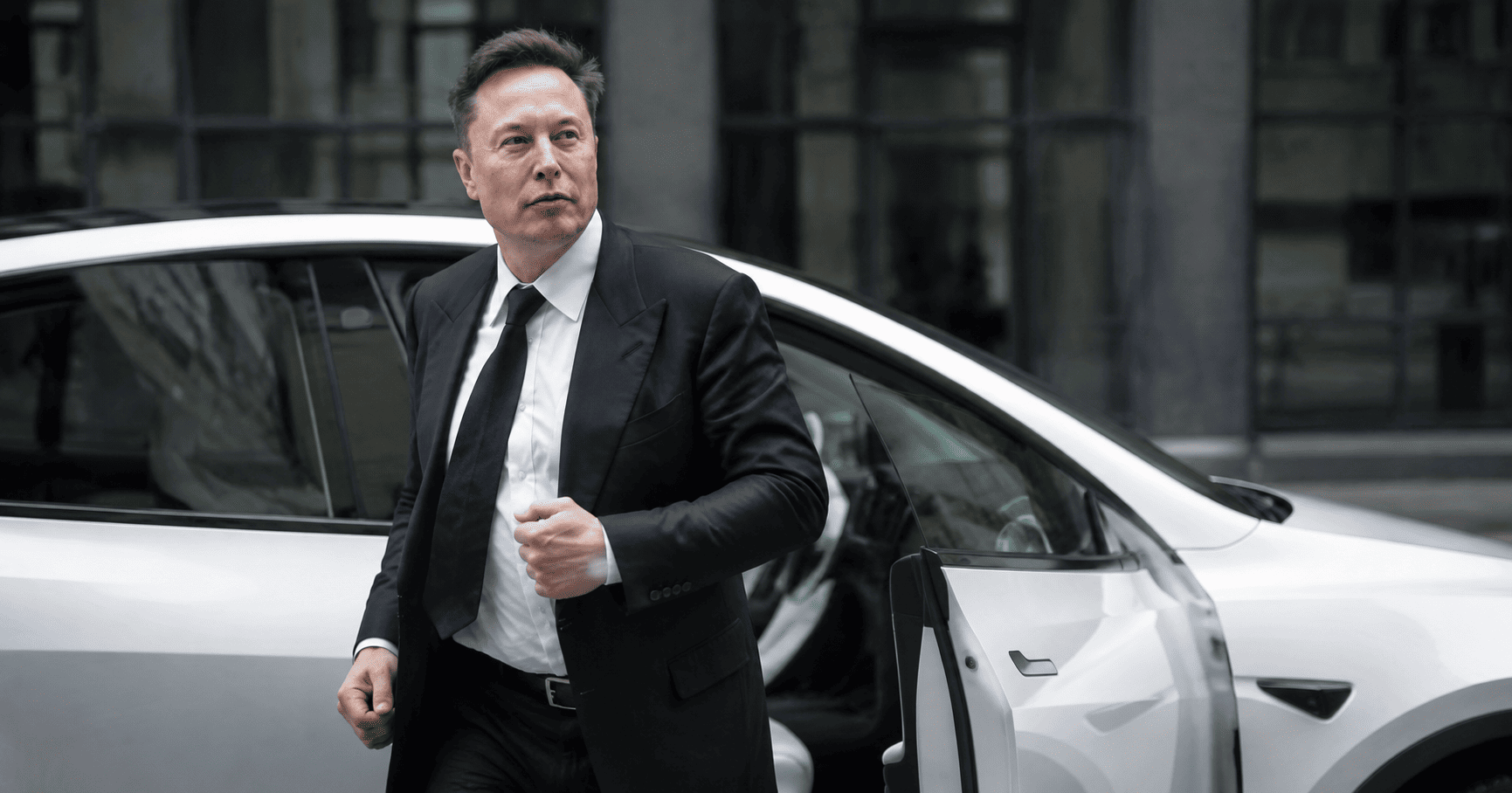
The earnings report arrives as investors assess the possibility of a combination with SpaceX, Elon Musk's rocket and space technology company. Musk confirmed that the two companies had formed special committees to explore a potential merger, but he said no agreement had been reached and warned that a deal might not materialize, as it would require approval from a majority of Tesla shareholders. Tesla's earnings release did not provide further details about the discussions.
Meanwhile, Tesla is expanding its autonomous driving operations. The company said earlier this month that its Cybercab fleet in Austin had grown from fewer than 40 vehicles to more than 300 in about a month, with Dallas identified as the next location for expansion. Tesla has also launched unsupervised robotaxi rides in Miami, Orlando, and Tampa, following launches in Dallas and Houston.
Tesla shares have fallen about 14% this year. Despite the decline, the company remains the world's most valuable automaker, with a market capitalization of approximately $1.4 trillion.
This article is for informational purposes only and does not constitute financial advice.