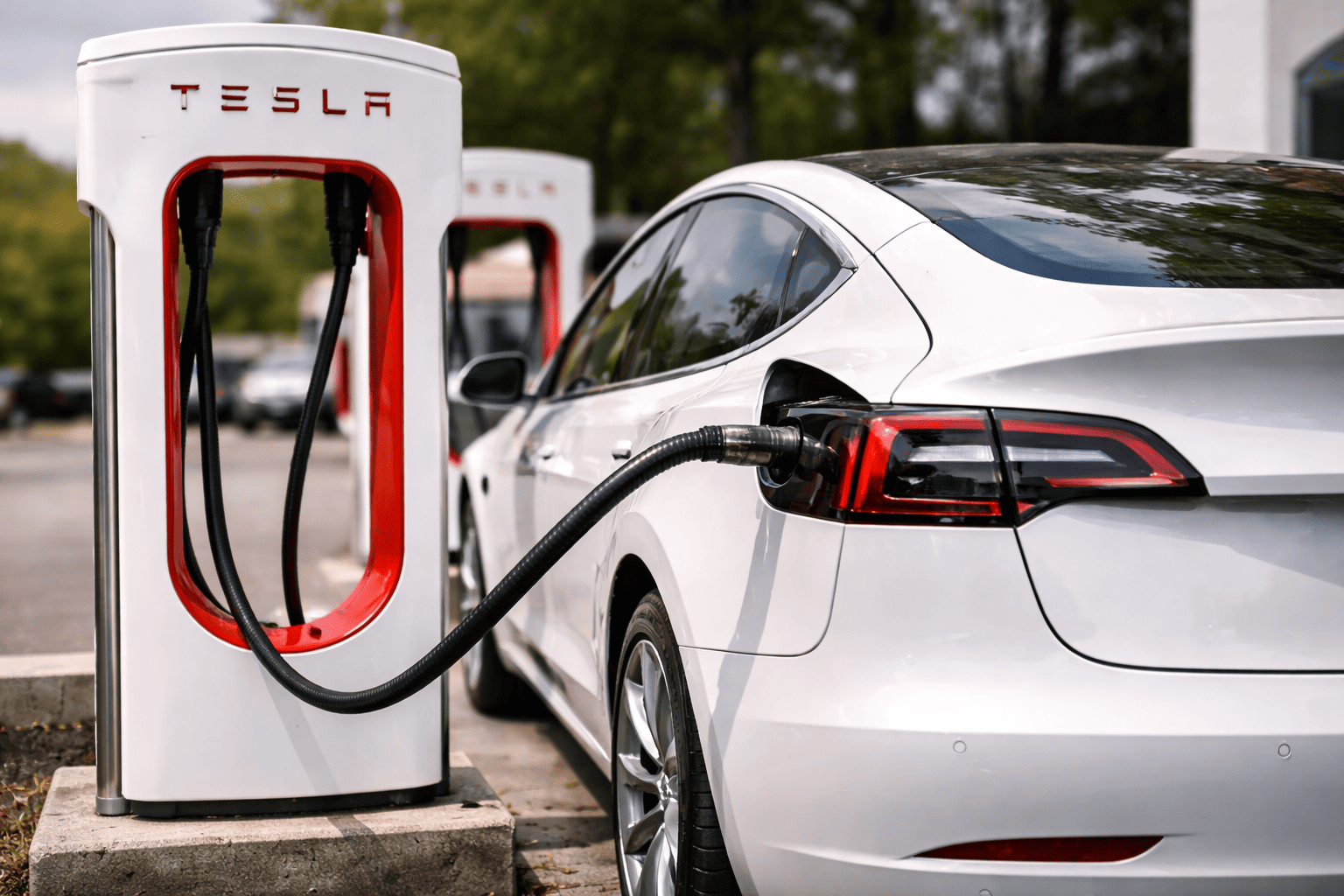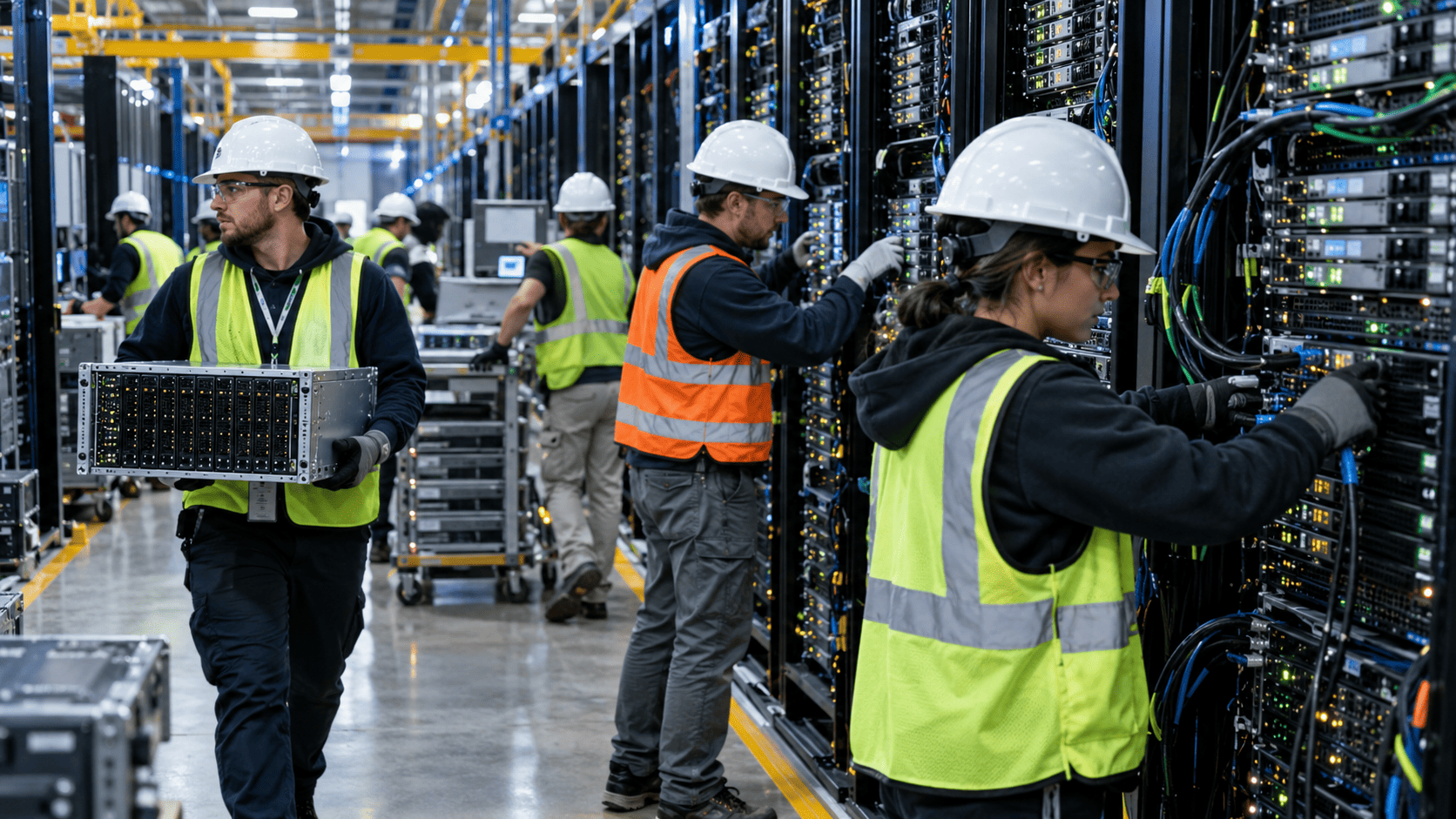
Tesla is set to release its third-quarter financial results after the U.S. market closes on Wednesday, with investors closely watching whether the electric-vehicle maker can sustain profitability while pouring billions into artificial intelligence, autonomous driving, and robotics. The report comes as the company navigates slowing growth in its core automotive segment and seeks to convince shareholders that its long-term ventures will yield substantial returns.
Adding a fresh layer of intrigue, speculation about a potential merger with Elon Musk's SpaceX has intensified after the billionaire remarked that combining the two companies would be "a good idea." This has sparked discussions about special committees being formed to explore the possibility, injecting a new variable into Tesla's earnings outlook.

Expected Financials and Market Sentiment
Analysts project Tesla to report revenue of $28.3 billion and earnings per share of 45 cents, compared to 50 cents per share on revenue of approximately $28.1 billion in the same period last year. Adjusted EBITDA is anticipated to reach $3.7 billion, marking a 10% year-over-year decline. The company has already disclosed third-quarter deliveries of 486,532 vehicles, which beat expectations but represented a 2.1% drop from the prior year.
Tesla's stock has fallen roughly 15% this year. Options markets are pricing in a potential move of about 5.9% in either direction following the earnings release, which is below the stock's typical implied volatility, suggesting traders are bracing for a more subdued reaction.
Margins and Capital Expenditure Under Scrutiny
A central concern for investors is whether Tesla can protect its operating margins, particularly without leaning on regulatory credits from emissions allowance sales. The company has missed analyst earnings estimates for four consecutive quarters, according to Louis Navellier, founder and chief investment officer of Navellier & Associates, who attributes the shortfall to margin compression and the ramp-up of Optimus robots.
Given this backdrop, it is crucial for Tesla to provide upbeat guidance on sales and operating margins, and to signal when Optimus might become profitable. However, Navellier suspects that details on Optimus will remain vague, and he would not be surprised if Tesla's stock consolidates in the days following the report, even if the guidance is positive.
Capital expenditure is another major focus. Bloomberg-compiled analyst estimates suggest Tesla's spending could exceed $25 billion in 2026, potentially making it the company's most expensive year on record as it invests in infrastructure and new ventures. Tesla also secured $30 billion in credit and loan facilities last month. CFO Vaibhav Taneja has indicated that capital expenditures "will grow for the next two or three years," citing investments in robotaxis, humanoid robots, and other projects. Investors need to assess whether Tesla can finance this expansion while maintaining adequate cash generation.
Cybercab Expansion and Optimus Timeline
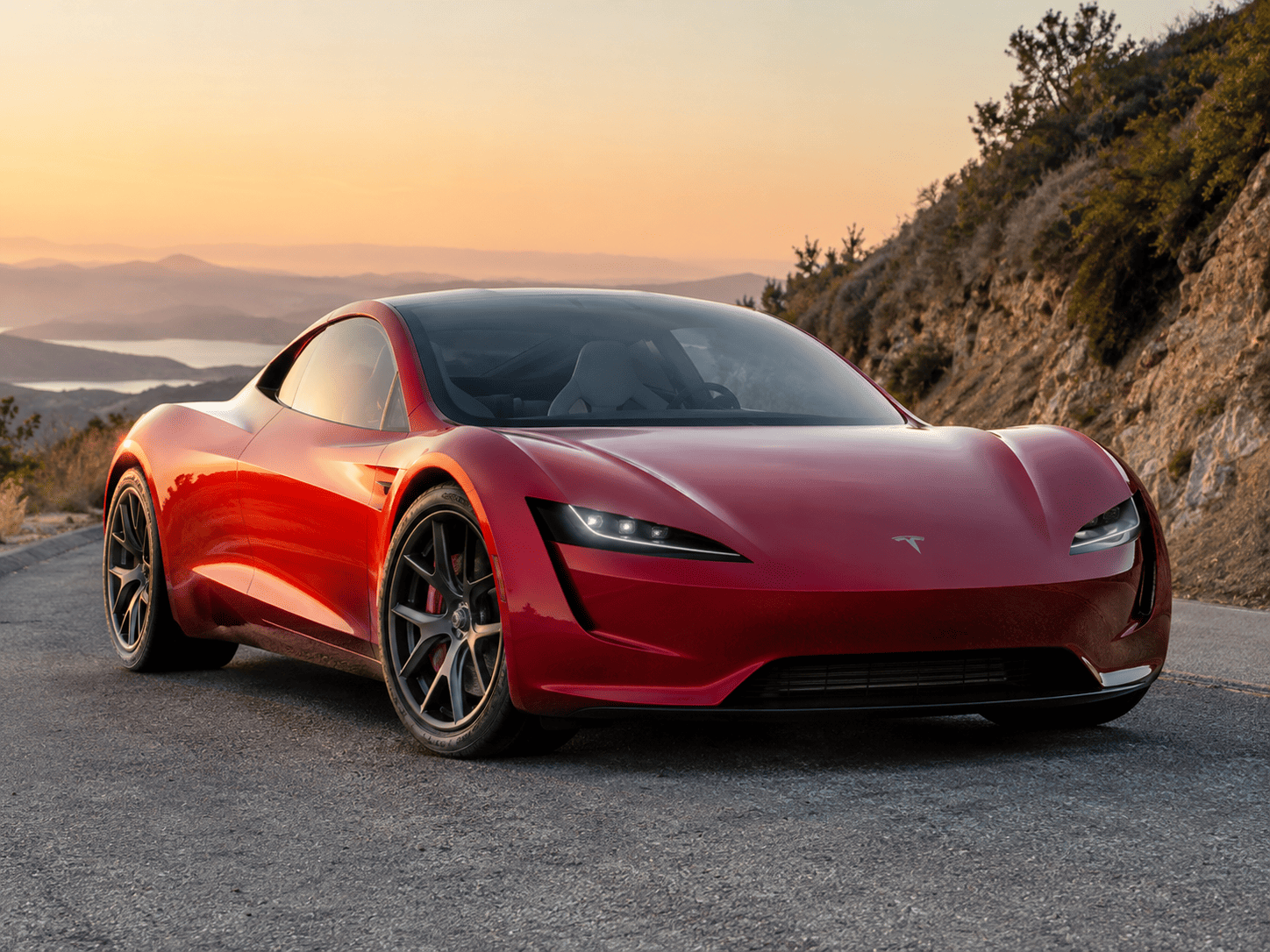
Beyond vehicle sales, investors are seeking updates on Tesla's transformation into an AI and robotics company, with autonomous taxis, humanoid robots, and energy storage playing increasingly prominent roles. Ruben Dalfovo, investment strategist at Saxo, notes that while the recent Roadster unveiling showcased impressive engineering, the more critical developments involve Cybercab, Tesla's purpose-built autonomous taxi, and Optimus, its humanoid robot.
Tesla began deploying Cybercab robotaxis on its ride-hailing service in Austin, Texas, last month. The autonomous vehicles could eventually enhance profitability by generating revenue from transportation services, though their rollout remains limited amid a federal investigation. Tesla has registered nearly 350 Cybercabs with the Texas Department of Motor Vehicles, and according to RobotaxiTracker, 187 are active in Austin, representing about half of Tesla's fleet in the city. The service started with only a few dozen vehicles.
Oppenheimer analysts led by Colin Rusch wrote that "the next test is whether TSLA can expand unsupervised service while maintaining performance as the fleet grows." Investors will also look for clarity on the timeline for Optimus and when it could become commercially profitable.
Energy Storage as a Growth Avenue
Tesla's energy business offers another potential growth driver as electricity demand rises and investment in energy infrastructure expands. The company deployed 13.7 gigawatt-hours of batteries during the third quarter, supporting an established business that could help diversify revenue beyond vehicle sales, according to Saxo. However, Tesla's broader ambitions require substantial investment before their financial benefits become clear. Investors will be watching whether spending on autonomous driving, robotics, and infrastructure translates into sustainable earnings growth rather than adding further pressure to cash flow.
SpaceX Merger Speculation Intensifies
The earnings report also arrives amid escalating speculation about a potential Tesla-SpaceX merger. Musk's comments on Tuesday that combining the two companies would be "a good idea" and that special committees had been formed to discuss a possible union sent SpaceX shares up 8% in extended trading, while Tesla rose over 2% in premarket trading on Wednesday. A merger could bring together Tesla's vehicle manufacturing, energy storage, autonomous driving, and robotics operations with SpaceX's satellite and space ventures, potentially creating a diversified technology conglomerate.
This article is for informational purposes only and does not constitute financial advice.