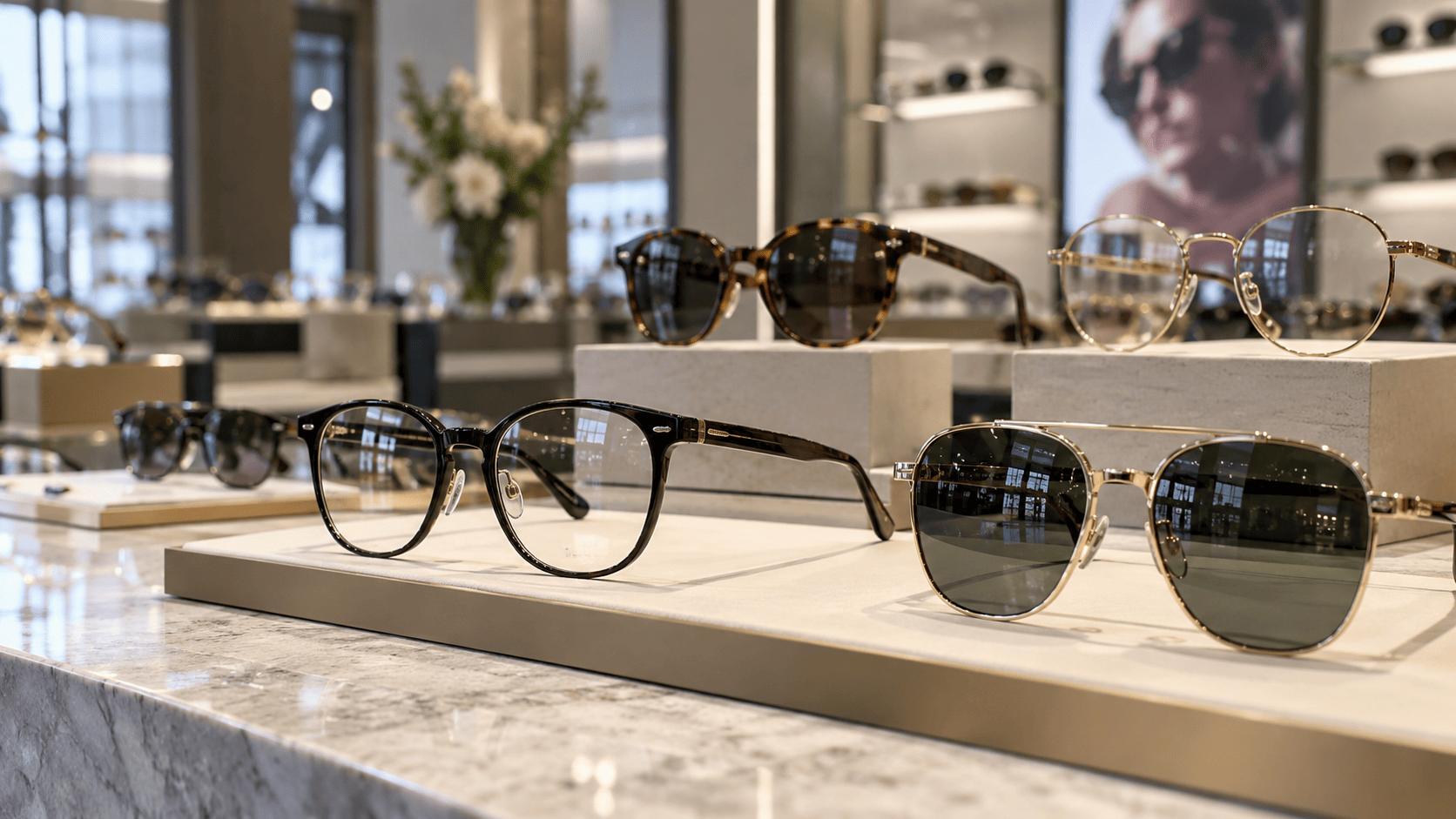
Shares of EssilorLuxottica climbed nearly 13% on Wednesday after the Ray-Ban parent reported third-quarter revenue that surpassed analyst forecasts, easing concerns about a slowdown in its wearables segment. The company posted €7.49 billion in revenue for the quarter, exceeding the €7.36 billion consensus estimate.
The results provided some relief for investors, as the world's largest eyewear group had seen its market value decline sharply over the past year. Despite the rebound, the stock remains down about 36% year-to-date.
Revenue from the wearables division, which includes AI-powered smart glasses developed with Meta Platforms, rose 20% to €486 million. Although wearables still represent a small fraction of total sales, they have become an increasingly important growth engine as EssilorLuxottica diversifies beyond traditional eyewear.
JPMorgan analysts noted that the quarter underscores the quality of the business, highlighting solid execution in the core segment while exploring new avenues through innovation. The company's core eyewear products continue to drive performance, supported by resilient demand.
The wearables lineup includes Ray-Ban and Oakley smart glasses made in partnership with Meta, as well as Nuance Audio glasses designed for individuals with hearing impairments. Stifel analyst Cedric Rossi said the strong quarterly performance positions the company well for the year-end, with a pipeline of new smart glasses models and favorable price-mix trends providing additional support.
CEO Francesco Milleri and Deputy CEO Paul du Saillant emphasized that new launches are strengthening the wearable portfolio, offering consumers new ways to interact with their surroundings. However, the wearables business remains relatively small compared with the company's overall operations, making sustained growth in traditional eyewear crucial to its financial health.
The share-price surge marks a potential reprieve for EssilorLuxottica, whose stock has nearly halved since reaching a record market valuation of €149 billion a year ago. The decline was driven by investor concerns over corporate governance and the commercial prospects of its smart glasses, including privacy questions and sales expectations.
While the latest revenue figures have alleviated some worries, analysts remain cautious about the sustainability of growth in the coming months. A key challenge is the difficult comparison in the fourth quarter, as the launch of new AI-powered glasses with Meta in September last year pushed wearables revenue above €1 billion in Q4 2025, creating a high base for this year's sales.
Competition is also intensifying. Alphabet's Google is expected to launch its Gemini-powered AI glasses by the end of 2026, potentially challenging the position established by EssilorLuxottica and Meta in the emerging smart glasses market. Bernstein analysts called the upcoming Google launch a "first acid test," warning that if rival products prove compelling, EssilorLuxottica's valuation multiple could suffer.
Bernstein also cautioned that the prospect of smart glasses disrupting traditional eyewear could remain a persistent overhang on investor sentiment. They suggested it makes sense for EssilorLuxottica to adopt a conservative tone on fourth-quarter expectations given the competitive landscape.
The immediate revenue performance has bolstered confidence in EssilorLuxottica's growth strategy, but investors will be watching whether the company can maintain momentum as competition heats up and comparisons become more demanding. Its ability to defend its position in smart glasses while sustaining growth in core eyewear will be central to its valuation outlook.
This article is for informational purposes only and does not constitute financial advice.